
17 Iconic World Landmarks Representing Each Country
The term “landmark” originally referred to markers that explorers or travelers could use to find their way back to a specific location. However, today its meaning has broadened to include buildings, towers, cultural heritage sites, sculptures, and more that represent a region. For example, the United States has the Statue of Liberty, China has the Great Wall, and Japan has Mount Fuji. These are all symbols that come to mind when thinking of specific countries. Such landmarks not only represent each nation but also generate significant revenue by attracting numerous tourists, making them essential elements in a way.
So, what kinds of landmarks exist around the world? Today, I’ve compiled a list of 17 world landmarks that represent various countries. Since there are so many, I’ve focused on the most famous ones, so please enjoy them for reference only.
Eiffel Tower, France
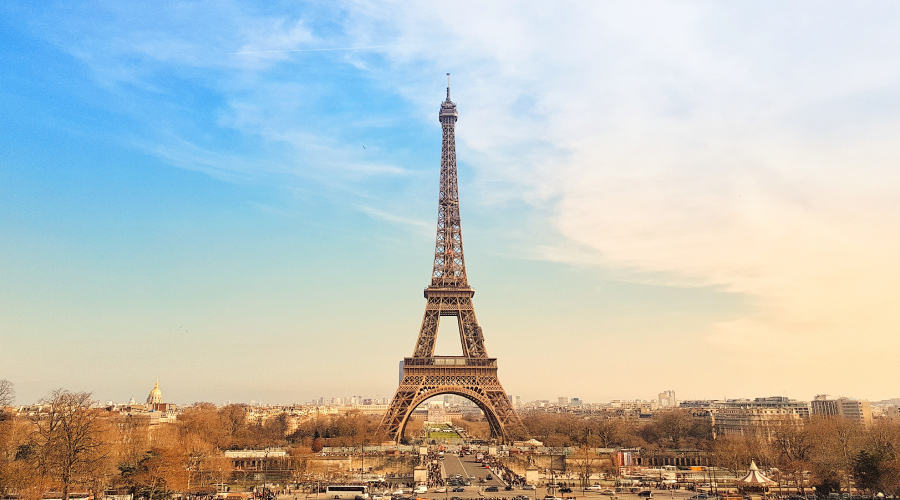
The first world landmark representing a country is the Eiffel Tower in France. Built in 1889 to commemorate the 100th anniversary of the French Revolution, it was originally intended to be dismantled after 20 years. However, due to its utility as a radio transmission tower, it remains standing today. Standing at 324 meters tall, it offers panoramic views of Paris from its observation deck.
Statue of Liberty, United States
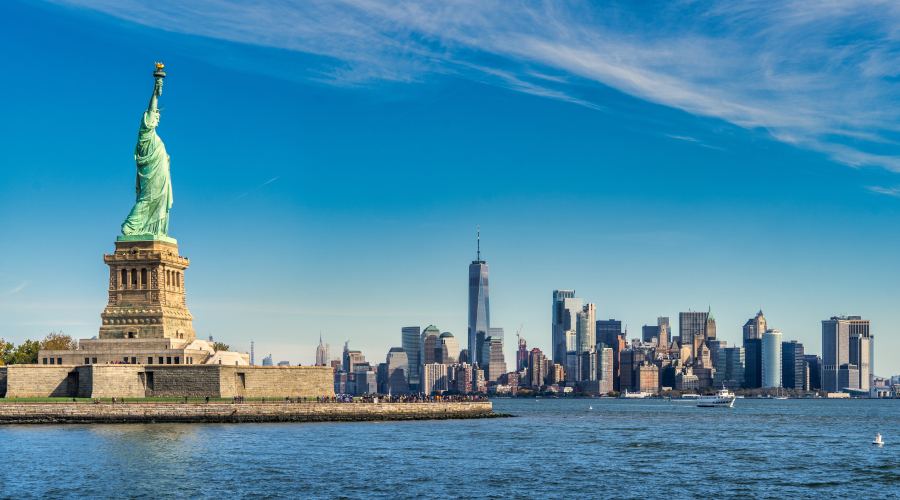
The Statue of Liberty is an iconic landmark representing the United States. Gifted by France in 1886 to celebrate the 100th anniversary of American independence, it symbolizes freedom and democracy. Located on Liberty Island in New York Harbor, visitors can climb to the crown for views of the city skyline.
Colosseum, Italy
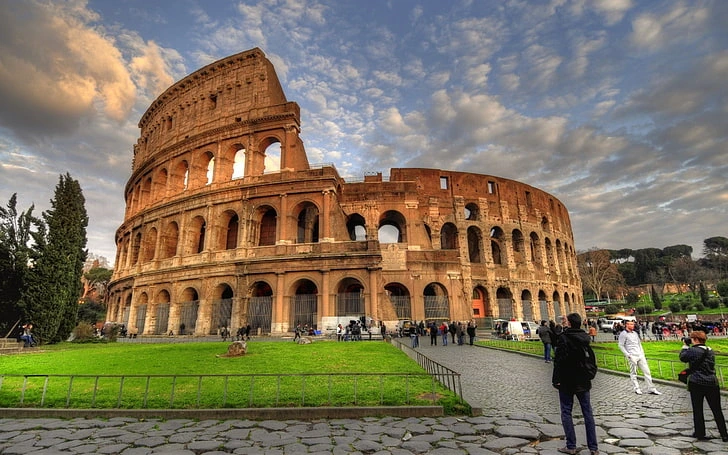
Italy’s Colosseum is another world-famous landmark. Built between 72 and 80 CE, this massive amphitheater could seat up to 50,000 spectators for gladiatorial contests and public spectacles. Today, it’s a major tourist attraction showcasing ancient Roman engineering.
Big Ben, United Kingdom
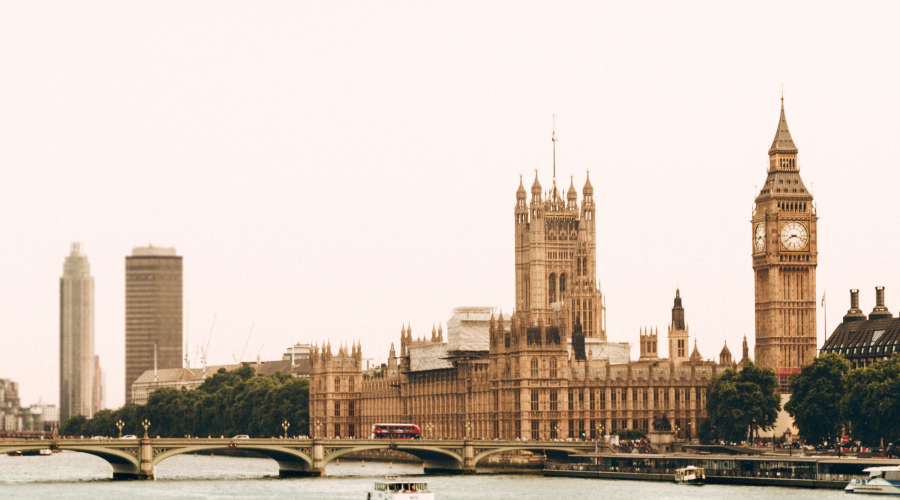
Big Ben, officially known as the Elizabeth Tower, represents the United Kingdom. Completed in 1859, its clock tower is part of the Palace of Westminster. The name “Big Ben” refers to the great bell inside, and it’s renowned for its accuracy and distinctive chimes.
Sydney Opera House, Australia
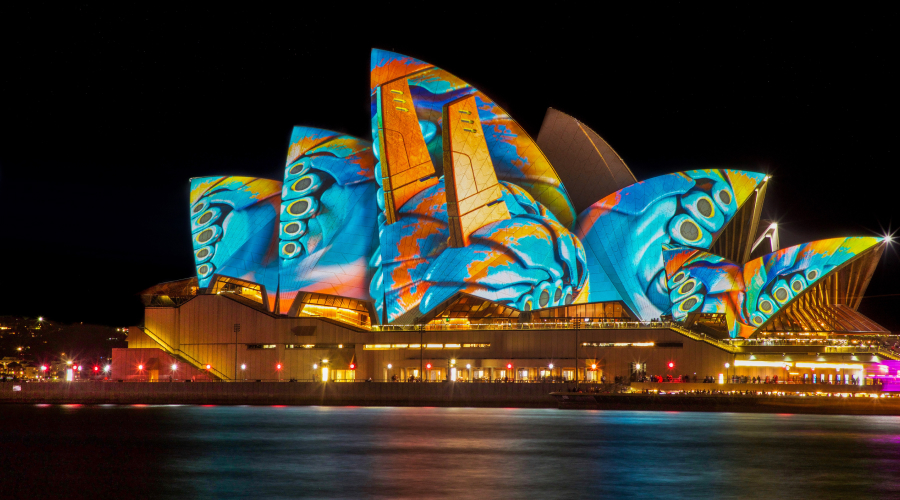
Australia’s Sydney Opera House is a modern architectural marvel. Designed by Danish architect Jørn Utzon and opened in 1973, its sail-like shells make it instantly recognizable. It’s a UNESCO World Heritage site and hosts numerous performances annually.
Taj Mahal, India
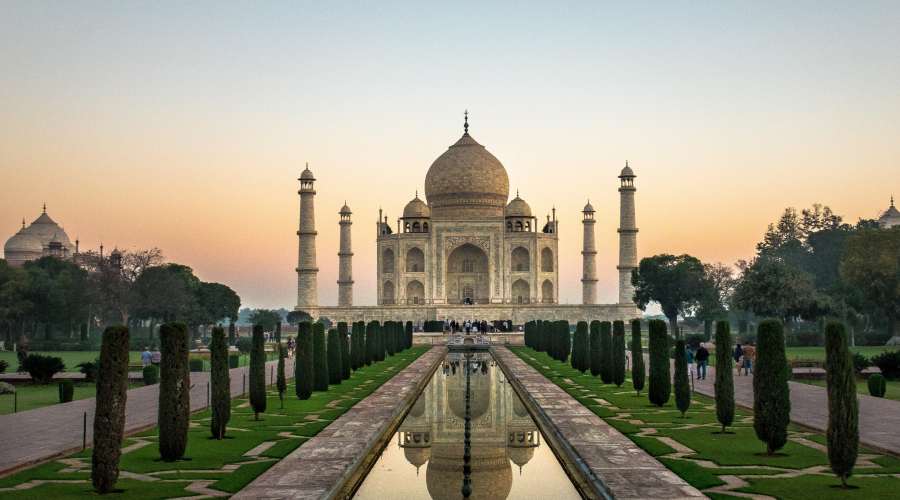
The Taj Mahal in India is a stunning white marble mausoleum built by Mughal Emperor Shah Jahan in memory of his wife Mumtaz Mahal. Constructed between 1632 and 1653, it’s admired for its symmetry and intricate inlay work, drawing millions of visitors each year.
Great Wall of China, China

China’s Great Wall is one of the most famous landmarks in the world. Built over centuries starting from the 7th century BCE, it stretches over 13,000 miles to protect against invasions. Sections like Badaling are popular for tourists to walk along.
Christ the Redeemer, Brazil
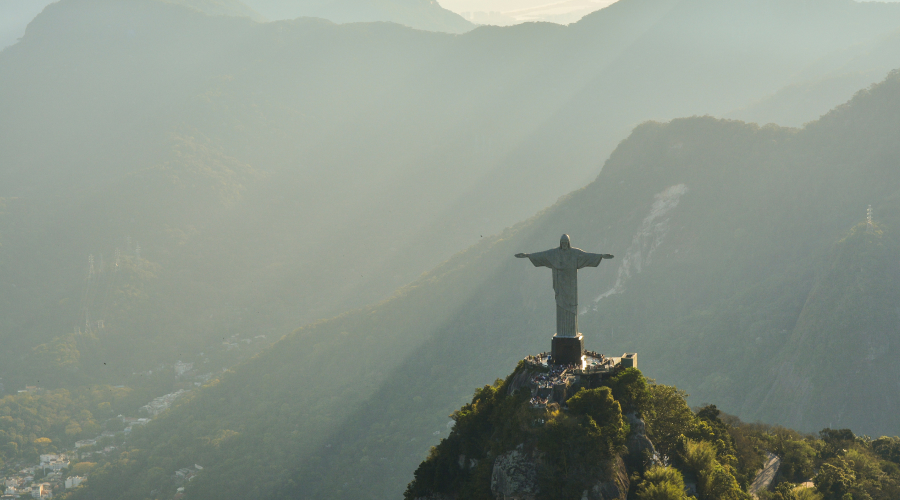
Brazil’s Christ the Redeemer statue overlooks Rio de Janeiro from Corcovado Mountain. Completed in 1931, this 98-foot-tall Art Deco statue with outstretched arms symbolizes peace and Christianity.
Burj Khalifa, United Arab Emirates
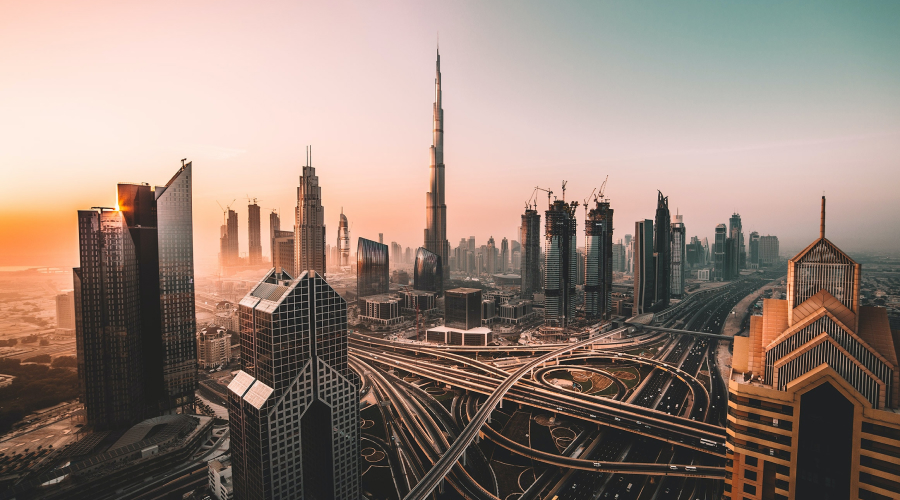
The Burj Khalifa in Dubai represents the UAE’s modern ambitions. Opened in 2010, it’s the world’s tallest building at 828 meters, featuring observation decks with stunning views of the city and desert.
Petra, Jordan
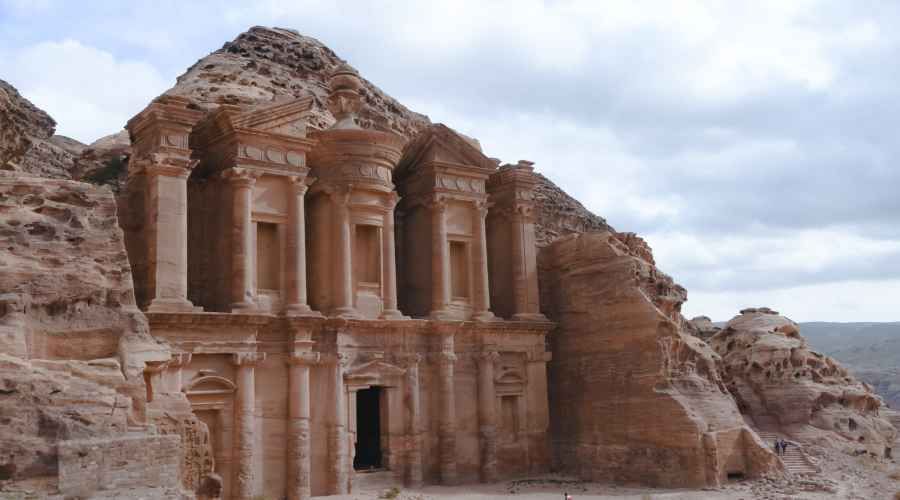
Jordan’s Petra is an ancient city carved into rose-red cliffs. Established around the 4th century BCE by the Nabataeans, its most famous structure is Al-Khazneh (The Treasury), featured in films like Indiana Jones.
Machu Picchu, Peru
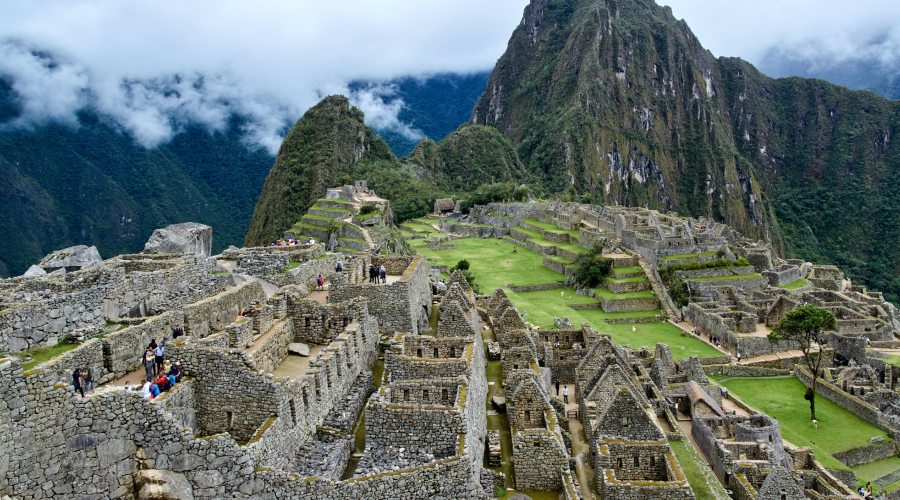
Peru’s Machu Picchu is an Incan citadel built in the 15th century. Rediscovered in 1911, this UNESCO site offers insights into Incan architecture and agriculture, set amid dramatic Andean mountains.
Pyramids of Giza, Egypt
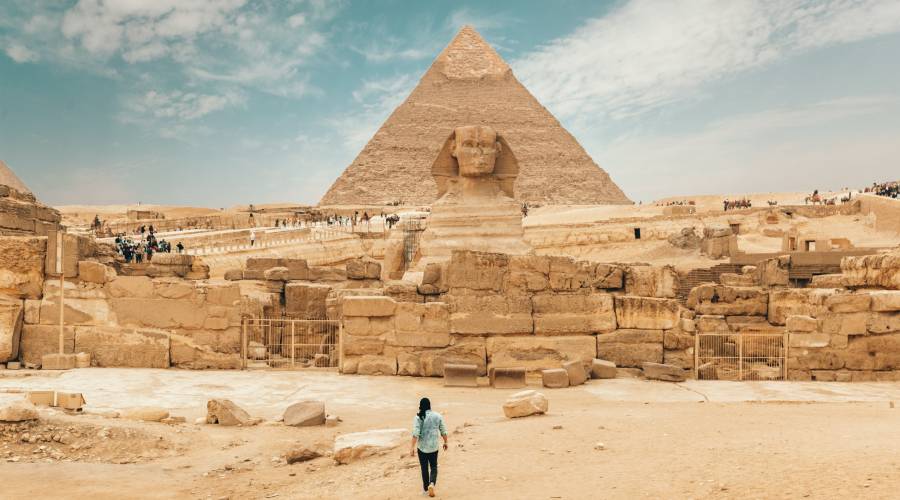
Egypt’s Pyramids of Giza are ancient wonders built around 2580–2565 BCE as tombs for pharaohs. The Great Pyramid is the largest and only remaining of the Seven Wonders of the Ancient World.
Mount Fuji, Japan
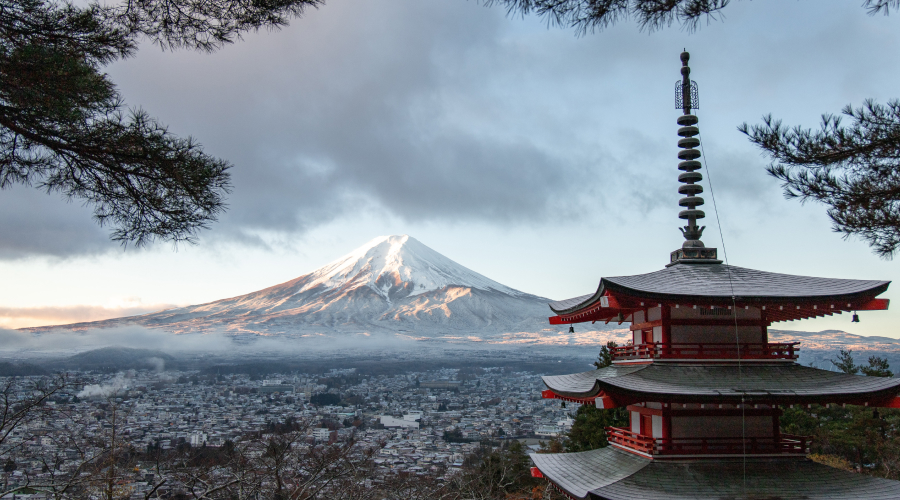
Japan’s Mount Fuji is an active volcano and the country’s highest peak at 3,776 meters. Revered in art and literature, it’s a popular site for climbing during summer months.
Acropolis, Greece
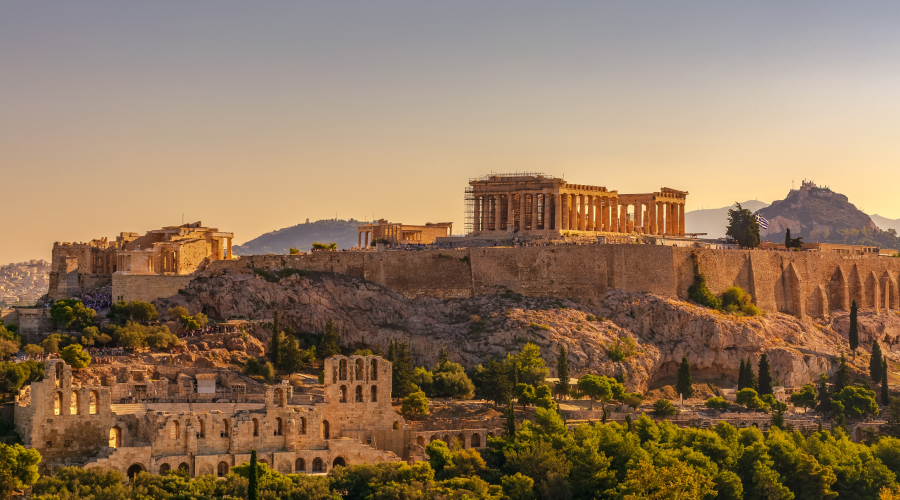
Greece’s Acropolis in Athens features ancient ruins like the Parthenon, built in the 5th century BCE to honor Athena. It symbolizes classical Greek civilization and democracy.
Sagrada Familia, Spain
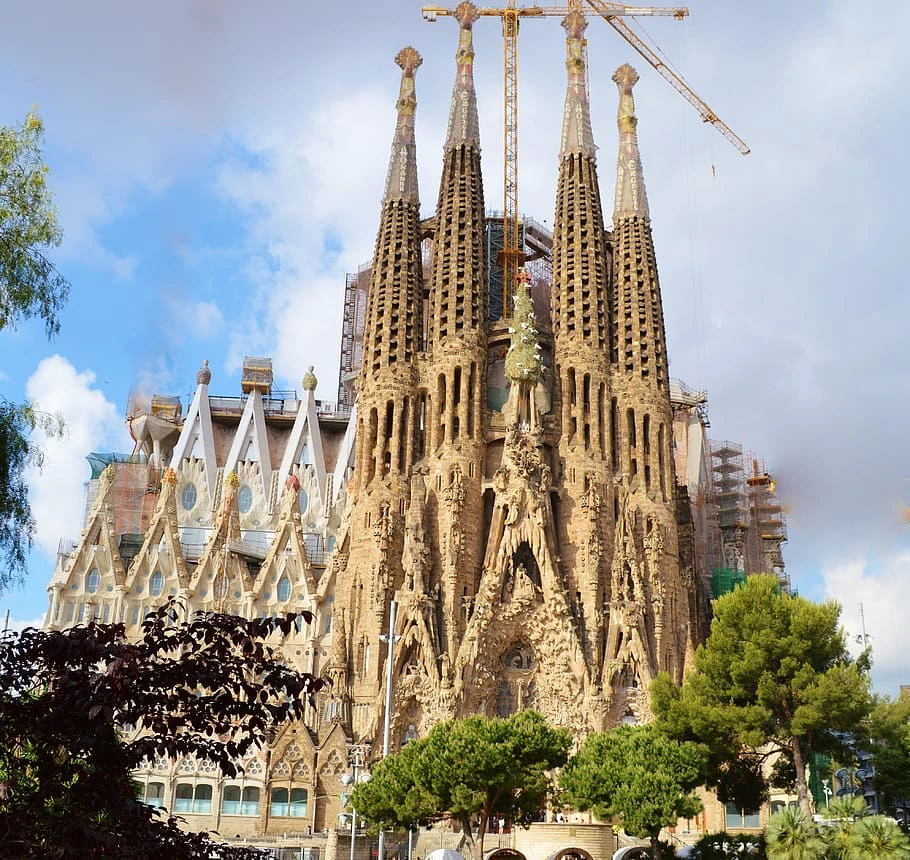
Spain’s Sagrada Familia in Barcelona is an unfinished basilica designed by Antoni Gaudí. Construction began in 1882, with its intricate facades depicting biblical scenes; completion is expected in 2026.
Chichen Itza, Mexico
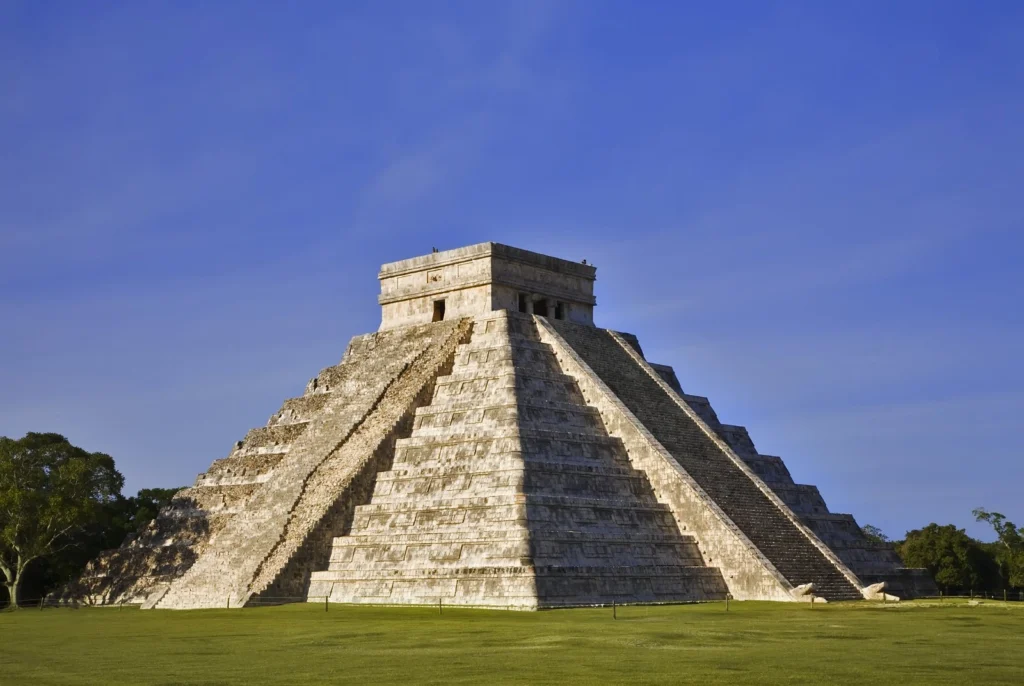
Mexico’s Chichen Itza is a Mayan city with the iconic El Castillo pyramid. Built between the 5th and 13th centuries, it’s famous for its astronomical alignments during equinoxes.
Kremlin, Russia
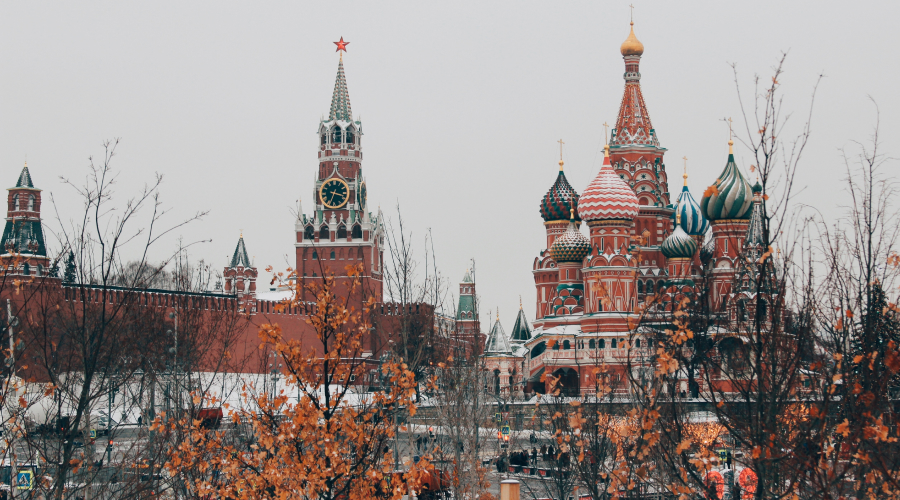
Russia’s Kremlin in Moscow is a fortified complex including palaces and cathedrals. Dating back to the 15th century, it serves as the official residence of the President and a symbol of Russian power.

These are just a few of the world landmarks that represent their countries—there are countless more. Some are natural wonders, others man-made, but all evoke the unique characteristics of their nations when mentioned. Interestingly, while preparing this, I noticed that many landmarks are located in Europe. Perhaps it’s because Europe has a long history of architecture and cultural heritage. I hope this collection inspires your next travel plans!