
10 Korean Foods That Continue to Be Loved by Foreigners
In the not-so-distant past, when thinking of Korean food, traditional dishes came to mind. For example, things like kimchi, bulgogi, bibimbap, or samgyetang. Of course, these are still consistently loved today, but the current trend seems to lean toward “fusion” styles that consider foreigners’ tastes a bit more. As a result, even for the same dish, there is a difference between the Korean foods that people in the United States prefer and those that foreigners like.
So, what are some of the Korean foods that foreigners mainly seek out? I was curious and looked it up—the list of must-eat foods when visiting South Korea! I’ve compiled the 10 most frequently mentioned items from various travel and blog sources.
The order is alphabetical.
10 Korean Foods Favored by Foreigners
1. Kimbap [Kimbap]
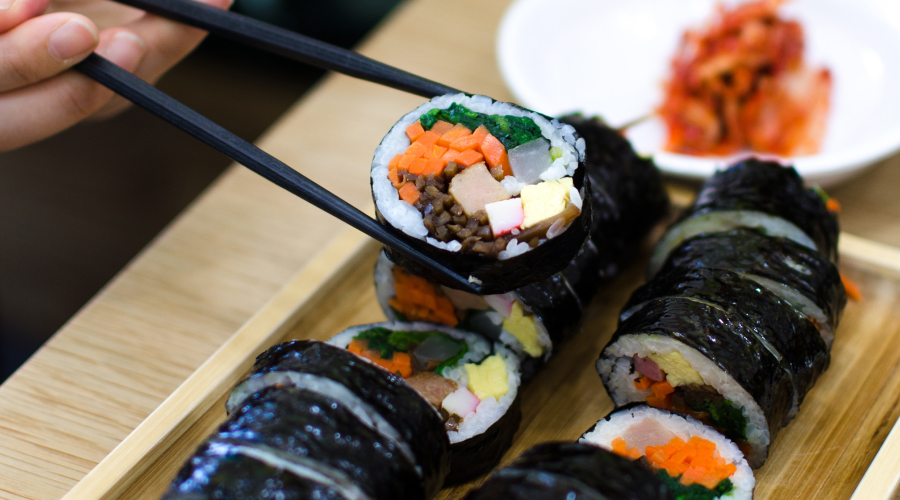
The first Korean food favored by foreigners to introduce is kimbap. It’s commonly called Korean-style “sushi” or “roll,” and it’s explained that the style varies depending on the ingredients. Interestingly, many focus more on the visual appeal than the taste. When you cut the finished kimbap crosswise, it’s so pretty that it’s a shame to eat it, as the expression goes. Also, the most preferred kimbap among foreigners includes ground beef or fish cake, and the types are divided into regular kimbap, nude kimbap, and the triangular kimbap sold at convenience stores.
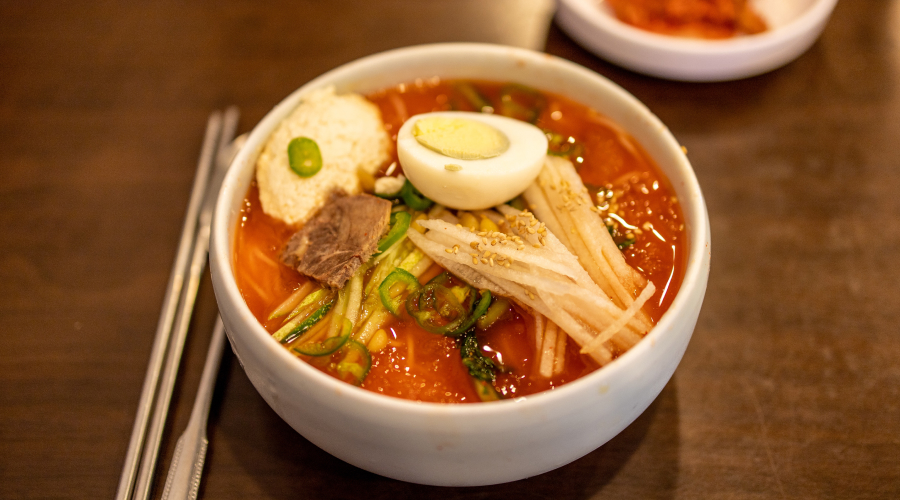
2. Naengmyeon [Naengmyeon]
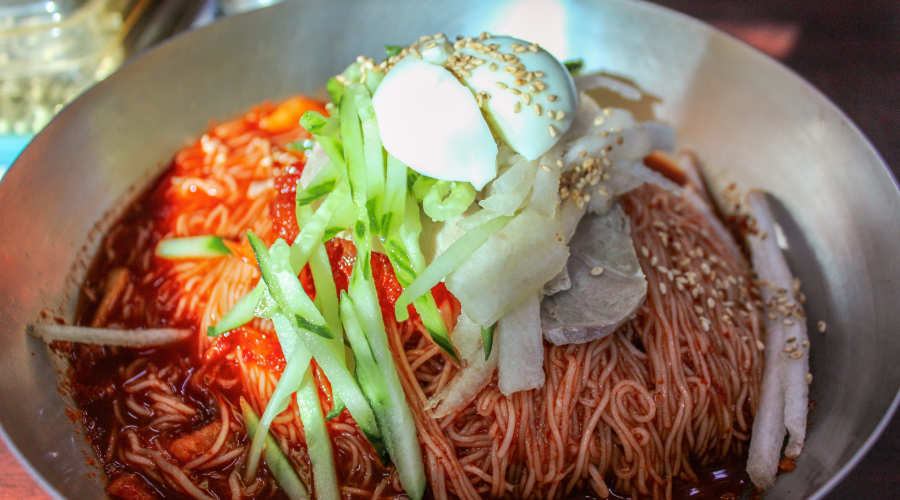
Cold noodles are considered one of the must-try foods in Korea, but regrettably, the origin is introduced as North Korea. That’s a fact, but it feels somewhat uncomfortable for some reason. Anyway, the second Korean food favored by foreigners is cold noodles, eaten with cool broth and soft, chewy noodles. On foreign sites, cold noodles are described as a dish Koreans enjoy in the summer, and there are many mentions that it’s often enjoyed lightly as a palate cleanser after meat. That’s quite accurate, right? Also, when eating cold noodles, it’s recommended not to cut the noodles. This comes with the superstition that long noodles symbolize “longevity,” so they shouldn’t be broken.
3. Tteokbokki [Tteokbokki]
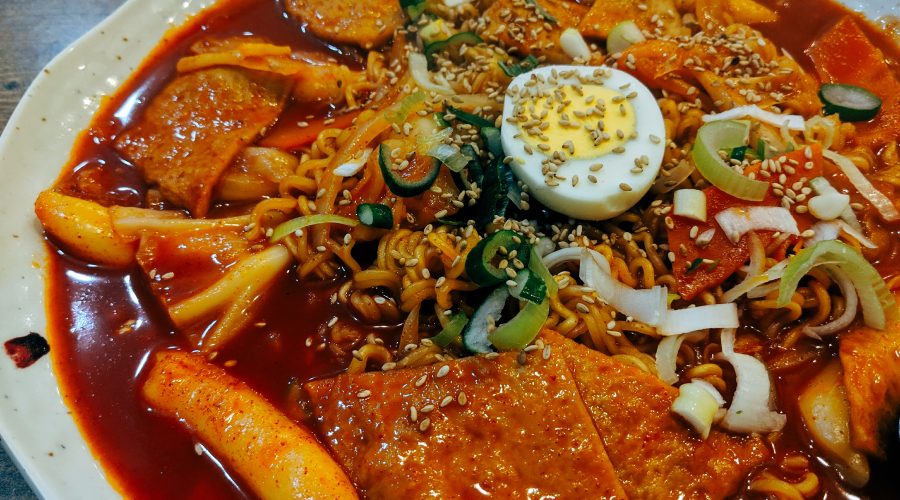
Let me explain a bit about the origin of tteokbokki, which even I, as an American, didn’t know. Tteokbokki originally originated in the Joseon Dynasty. In the past, tteokbokki was made with thinly sliced rice cakes, meat, eggs, etc., based on soy sauce. In the mid-1900s, with the spread of gochujang, the color changed, so now on foreign sites, tteokbokki is also introduced as “spicy rice cakes.” It was a dish eaten by royalty in the past, but now you can find tteokbokki on streets everywhere, with additional explanations. Also, the harmony of spicy and sweet flavors is said to be inevitably popular with anyone. Agreed.
4. Ramen [Korean Instant Noodles]
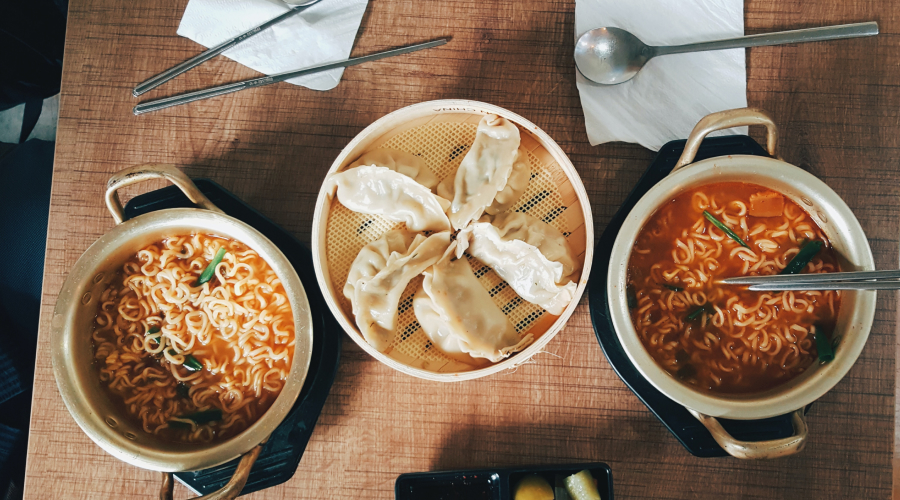
Ramen is the fourth Korean food favored by foreigners. While it’s also called “instant noodles” abroad, the Korean version is distinguished by being spicy and flavorful. It’s explained that it’s the most popular snack in Korea and is loved by people of all ages. Also, ramen can be cooked in various ways, but the most common is to boil it in water and add eggs or green onions. Additionally, there are many mentions that eating ramen while watching Korean dramas or movies enhances the experience. That’s an interesting point.
5. Budae Jjigae [Army Stew]
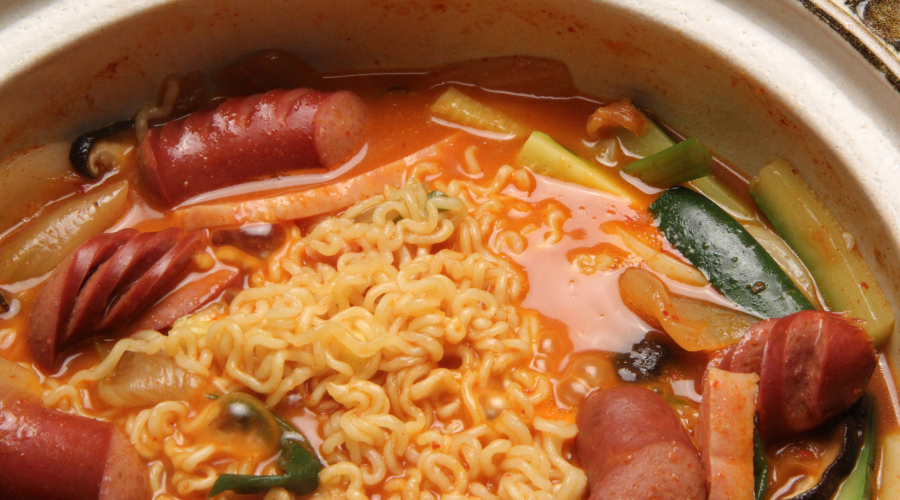
Budae jjigae originated after the Korean War when American military bases were established, leading to the influx of spam and hot dogs. These were mixed with kimchi and gochujang to create the stew. On foreign sites, it’s introduced as a representative fusion Korean food, and it’s said to be a dish that reflects Korea’s history. Also, budae jjigae is spicy and savory, making it addictive once you try it. It’s recommended to eat it with rice or noodles.
6. Bibimbap [Bibimbap]
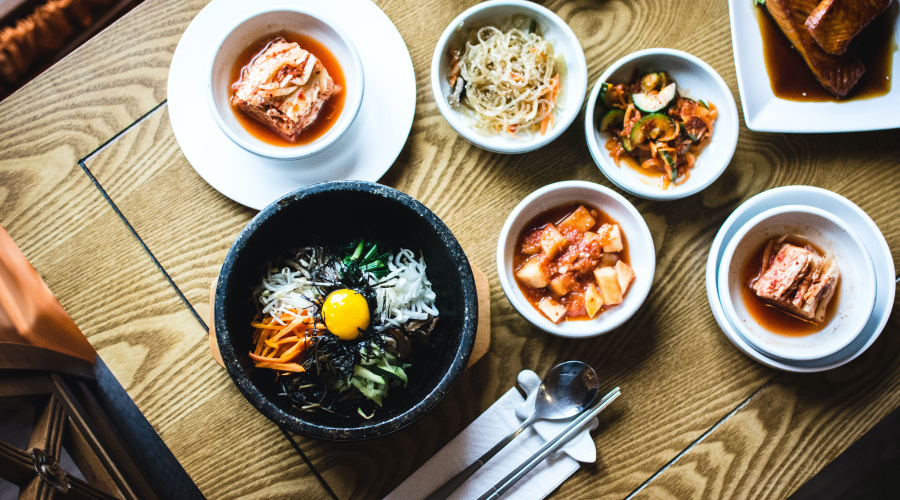
Bibimbap is a dish where various vegetables, meat, eggs, etc., are placed on rice and mixed with gochujang. On foreign sites, it’s introduced as a healthy and balanced meal, and it’s said to be customizable to one’s taste. Also, bibimbap is considered a representative Korean food and is easily found in Korean restaurants abroad. Additionally, there are mentions that eating bibimbap in a hot stone bowl (dolsot bibimbap) allows you to enjoy the crispy rice at the bottom.
7. Samgyeopsal [Samgyeopsal]
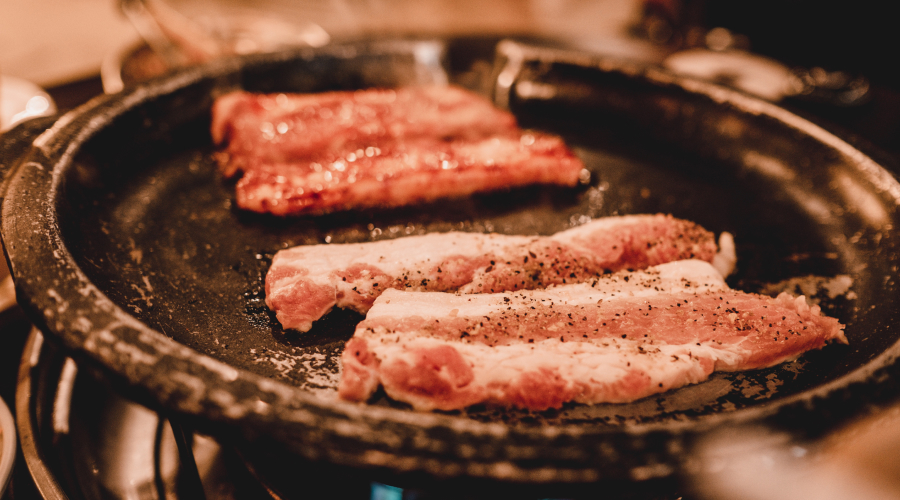
Samgyeopsal is pork belly grilled and eaten wrapped in lettuce with garlic, ssamjang, etc. It’s introduced as the most popular meat in Korea and a must-try when visiting. Also, samgyeopsal is said to pair well with soju or beer, and eating it with friends or family makes it even more enjoyable. Additionally, there are tips that when grilling samgyeopsal, it’s better not to overcook it to keep it juicy.
8. Sundubu Jjigae [Sundubu Jjigae]
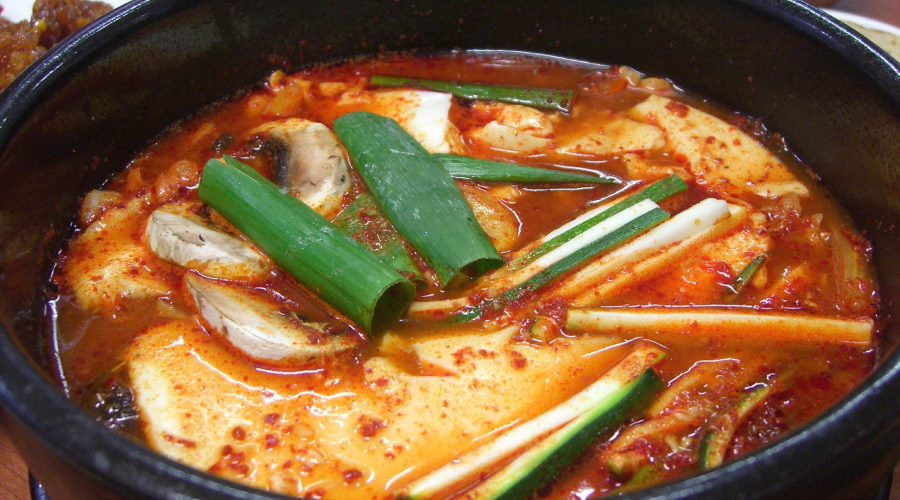
Sundubu jjigae is a stew made with soft tofu, seafood, meat, etc., in a spicy broth. It’s introduced as a comforting dish especially on cold days, and it’s said to be mild yet flavorful. Also, sundubu jjigae often comes with rice and side dishes, making it a complete meal. Additionally, there are mentions that adding an egg to sundubu jjigae enhances the taste.
9. Japchae [Japchae]
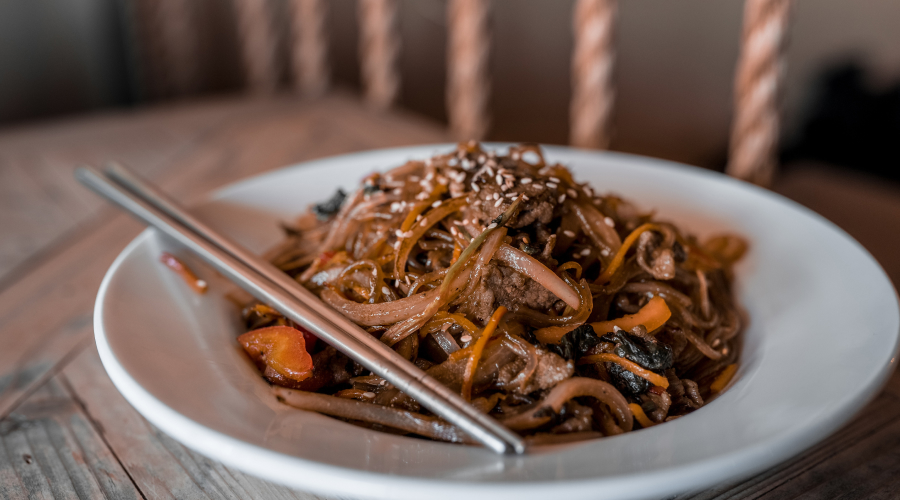
Japchae is stir-fried glass noodles with vegetables, meat, etc., seasoned with soy sauce and sesame oil. It’s introduced as a dish often served at Korean celebrations or parties, and it’s said to be colorful and appetizing. Also, japchae can be eaten hot or cold, and it’s recommended as a side dish or main dish. Additionally, vegetarian versions of japchae are also popular.
10. Jeon [Jeon]
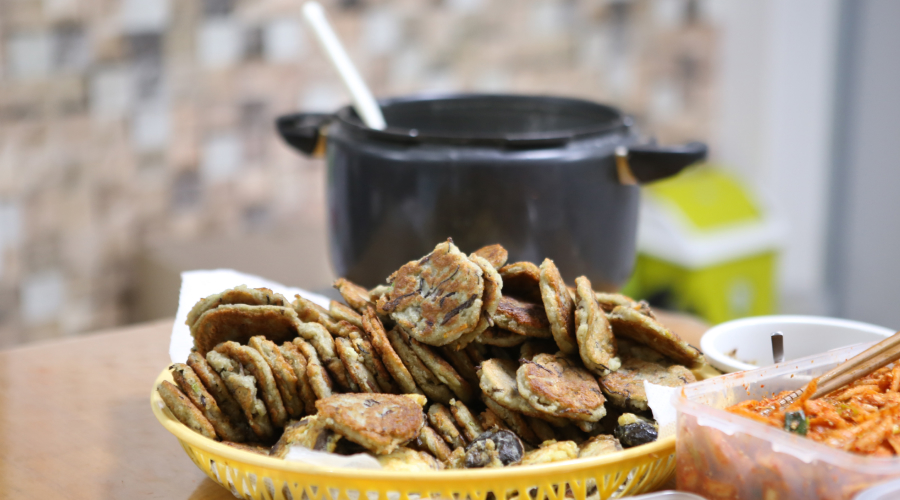
The last Korean food favored by foreigners to introduce is jeon. This includes yukjeon (beef pancake), haemul pajeon (seafood green onion pancake), kimchi jeon, guljeon (oyster pancake), hobakjeon (zucchini pancake), and more. Among these, the most mentioned jeon is haemul pajeon, followed by kimchi jeon. Surprisingly, yukjeon wasn’t mentioned much. Also, jeon is often seen at traditional Korean feast days or events, but it’s explained that it’s eaten almost year-round. It’s a foreign site, but it seems to know American culture quite well. (Note: Adjusted to US context.)
In addition, kimchi, bulgogi, tteok (rice cakes), galbi, namul (seasoned vegetables), mandu (dumplings), and more were introduced as Korean foods favored by foreigners. Kimchi was excluded because it’s more of a side dish than a complete meal. The others weren’t mentioned as frequently, so they were left out. Always searching for foreign foods, but looking at it in reverse, there were many interesting things. Especially learning about the origins or history of the foods was new. The reason I didn’t explain them separately is that I couldn’t confirm if the information was accurate, and it might make the writing loose.