7 Surprisingly Real Pink Lakes Around the World
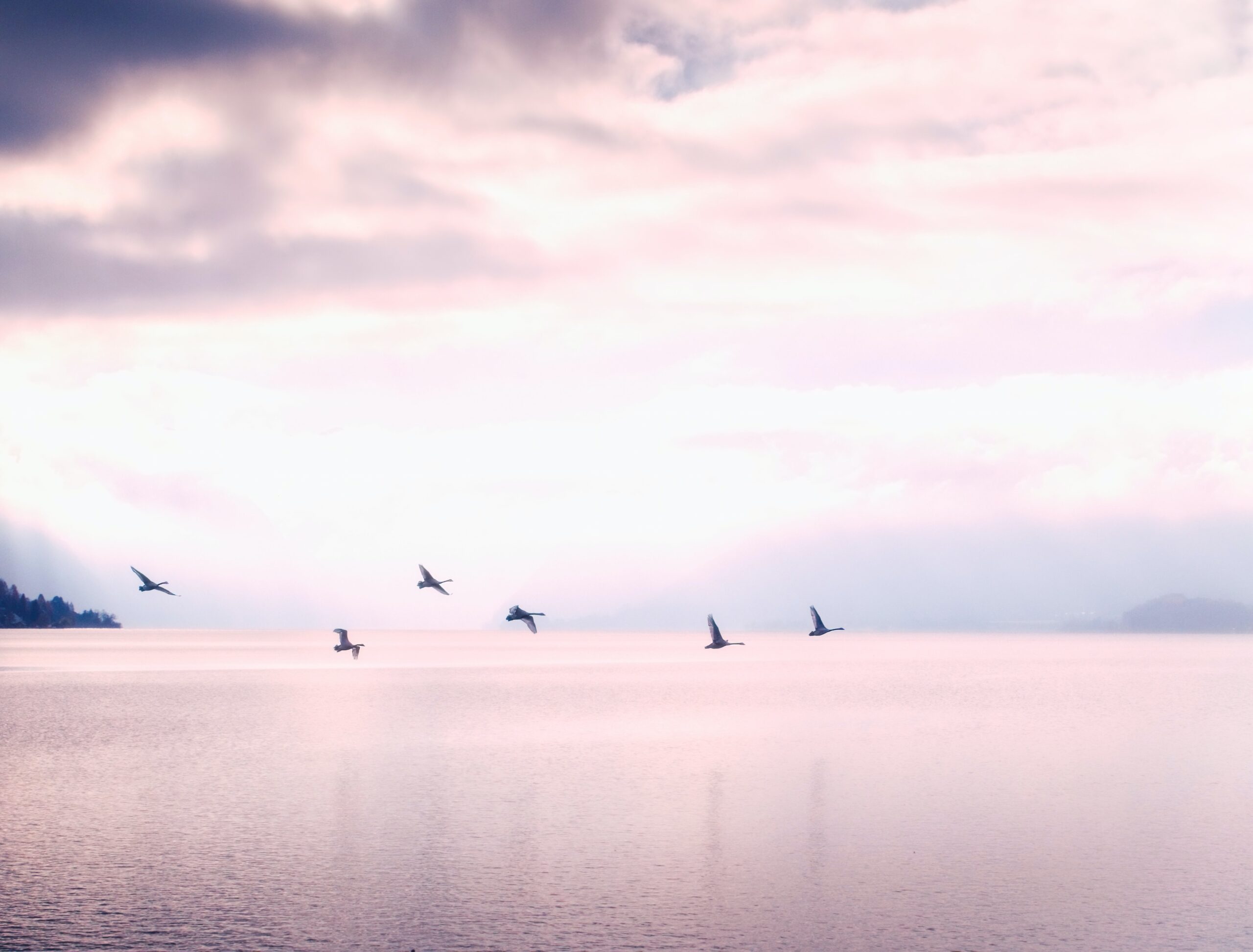
Lakes are generally defined as bodies of fresh water surrounded by land. However, some lakes around the world have salinity levels higher than the ocean. These are known as pink lakes. Created by nature and abundant microorganisms, pink lakes captivate people with their unique colors and beautiful landscapes that hardly seem like typical lakes. Today, let’s explore seven pink lakes from various parts of the world and discover why their waters have such distinctive hues.
Lake Hillier, Australia

Lake Hillier is the most famous pink lake in the world. Located on Middle Island in the Recherche Archipelago off the southern coast of Western Australia, it spans about 600 meters in length and 250 meters in width. Surrounded by eucalyptus forests and the Southern Ocean, it creates a stunning contrast. The pink color comes from red pigments produced by algae and bacteria thriving in its saline waters. Interestingly, the color remains pink even when bottled.
Hutt Lagoon, Australia
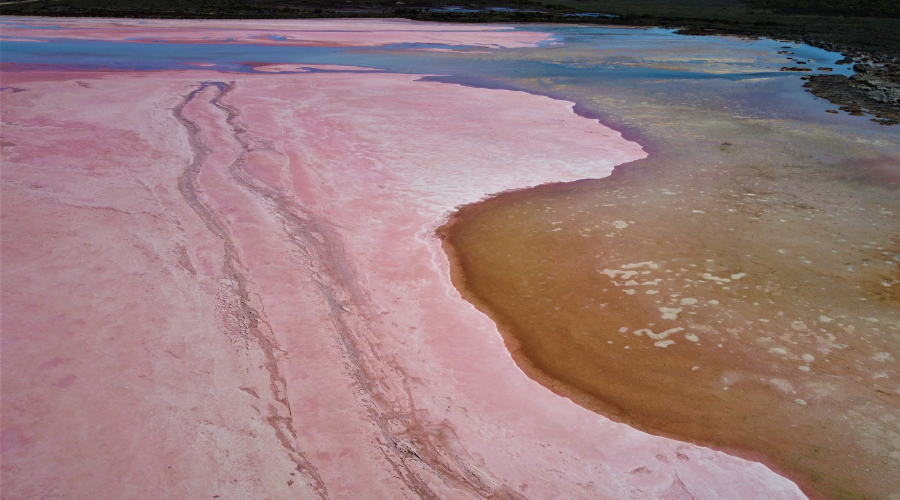
Hutt Lagoon, also in Western Australia, is another pink lake known for its size—about 14 kilometers long and 2 kilometers wide. Its color varies from pink to purple or red depending on the time of day and season. The pink hue is due to beta-carotene produced by Dunaliella salina algae. This lake is a major source of beta-carotene, used in food coloring and supplements. Visitors can take boat tours or scenic flights for the best views.
Sivash Salt Lagoon, Russia

Russia’s Sivash, or “rotten sea,” is a system of shallow lagoons in Crimea, covering about 2,560 square kilometers. The water appears pink due to salt-loving microorganisms like Artemia salina. With salinity levels up to 87%, it’s a major site for salt production. The area also features mud baths believed to have therapeutic properties. Note: Access may be restricted due to the ongoing geopolitical situation in Crimea.
Las Salinas de Torrevieja, Spain
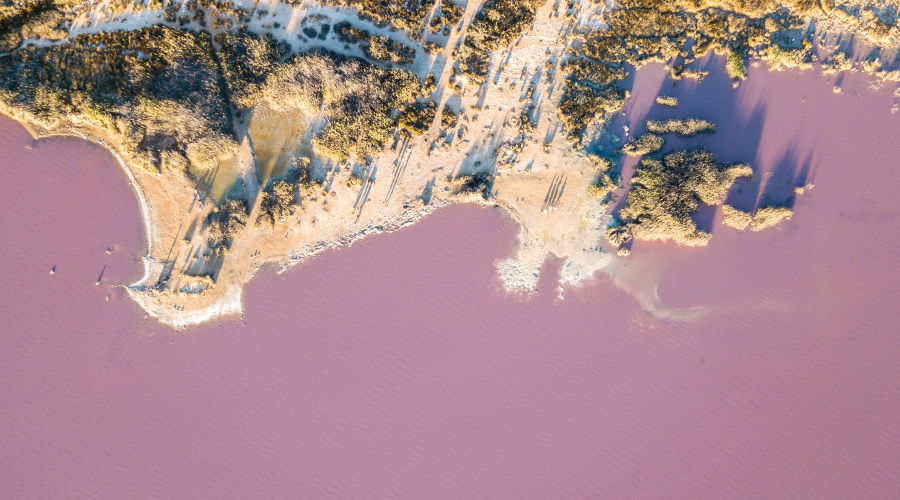
Spain’s Las Salinas de Torrevieja, part of a natural park near Alicante, spans about 1,400 hectares. Its pink color results from Artemia salina brine shrimp and Dunaliella salina algae. This lake is a significant salt producer in Europe and a habitat for flamingos and other birds. Swimming is allowed in designated areas, and the mud is said to benefit skin health.
Laguna Colorada, Bolivia
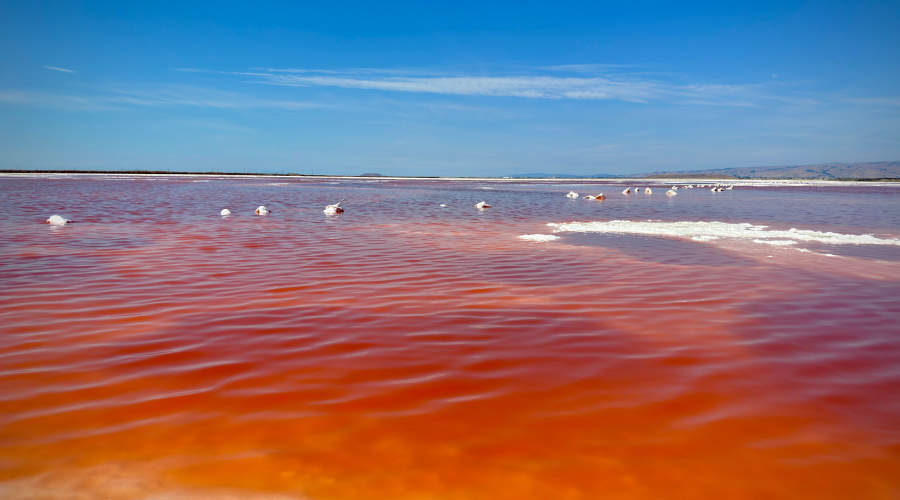
Bolivia’s Laguna Colorada, in the Eduardo Avaroa Andean Fauna National Reserve, covers about 60 square kilometers at an altitude of 4,278 meters. Its reddish-pink hue comes from red sediments and pigments from algae. Home to three species of flamingos, it’s a popular tourist spot. The high altitude and remote location make it feel otherworldly—visitors should prepare for the thin air.
Lac Retba, Senegal
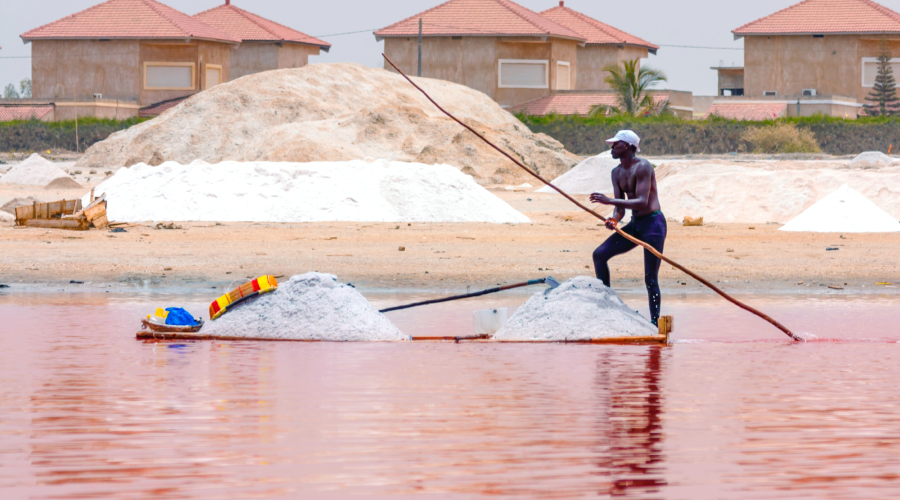
Senegal’s Lac Retba, also known as Lake Rose, is located near Dakar and spans about 3 square kilometers. Its pink color, caused by Dunaliella salina algae, is most vivid during the dry season. With salinity up to 40%, locals harvest salt by hand. Boat tours are available, but swimming is not recommended due to the high salt content. It’s a UNESCO World Heritage site and the endpoint of the Dakar Rally.
Lake Natron, Tanzania
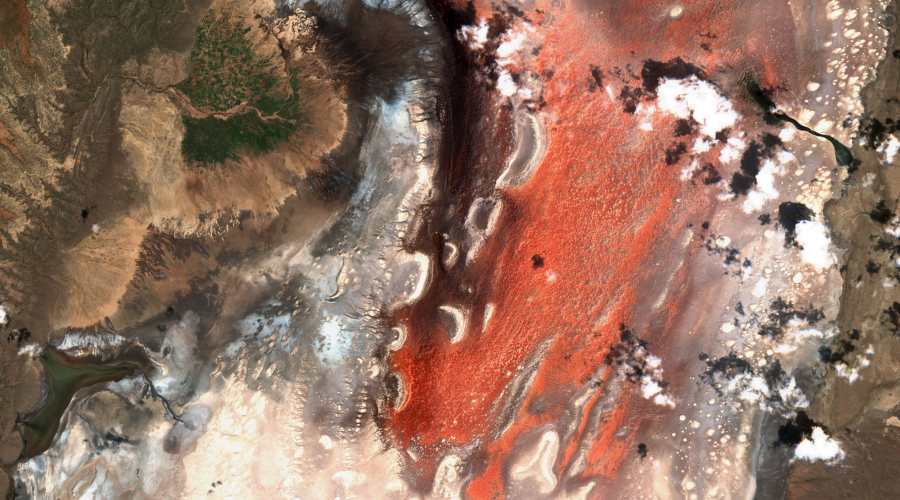
Tanzania’s Lake Natron, in the Great Rift Valley, covers about 1,040 square kilometers. Its caustic waters, with pH levels up to 10.5, turn pinkish-red from cyanobacteria. The extreme conditions preserve animal remains that wash ashore, creating eerie calcified statues. It’s a vital breeding ground for lesser flamingos. Visiting requires caution due to the harsh environment and remote location.
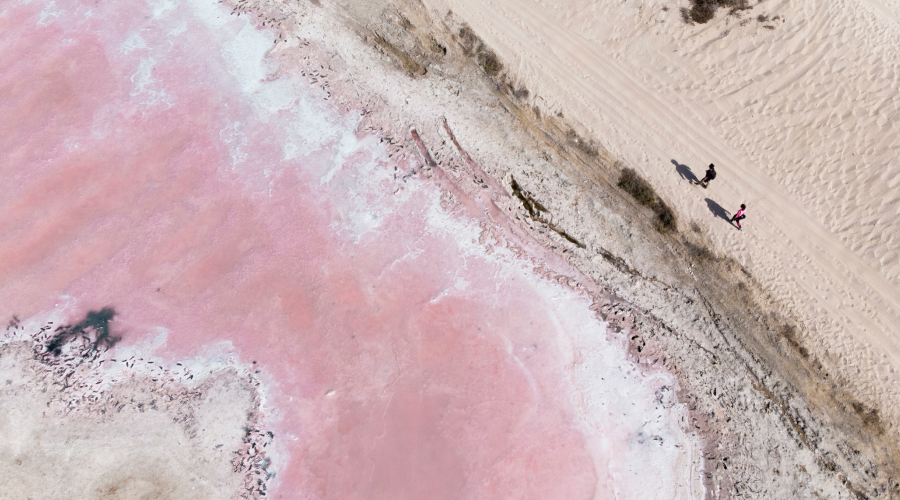
These pink lakes are natural wonders, but many face threats from climate change, pollution, and human activity. If planning a visit, research current conditions and follow eco-friendly practices. It’s fascinating how microorganisms create such vibrant colors—nature truly is full of surprises.