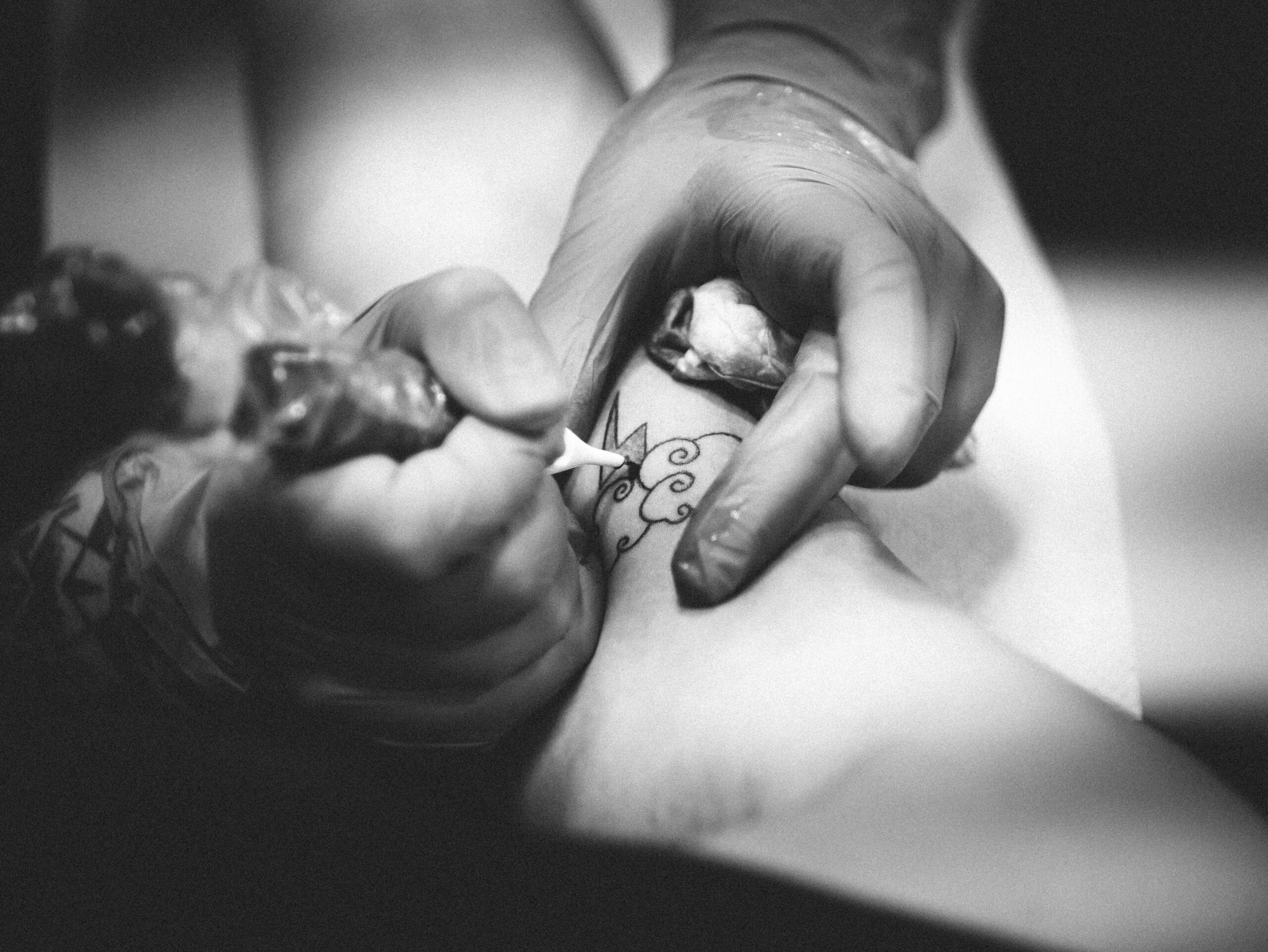
Art Expressed on Skin: Exploring 10 Types of Tattoos
Tattoos involve piercing the skin with needles and then applying ink or pigments to create designs. In the past, tattoos were often interpreted as symbols of language, markers, or mystical significance, but today’s tattoos carry more artistic meaning. When I was younger, I once considered getting a friendship tattoo with a friend. However, as I grew older, concerns about societal perceptions prevented me from going through with it. In today’s era of strong individuality, subtle tattoos are often respected as a personal style choice. This sparked my curiosity about the various types of tattoos that exist in the world and their unique characteristics. That is the reason I prepared this content.
1. Neo Traditional Tattoo
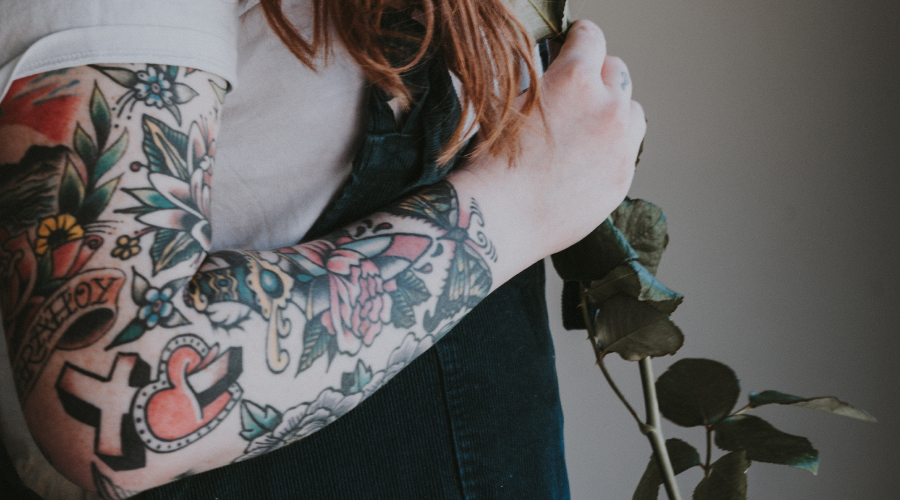
The first type of tattoo to introduce is the neo traditional tattoo. This style has evolved from traditional forms to suit modern tastes, characterized by bold lines, vibrant colors, and minimal shading. While the designs depict subjects realistically, they subtly evoke a traditional feel. Popular neo traditional tattoo designs include skulls and eyes, roses, lighthouses, diamonds, coffins, doves, owls, lions, tigers, and wolves.
2. Black and Grey
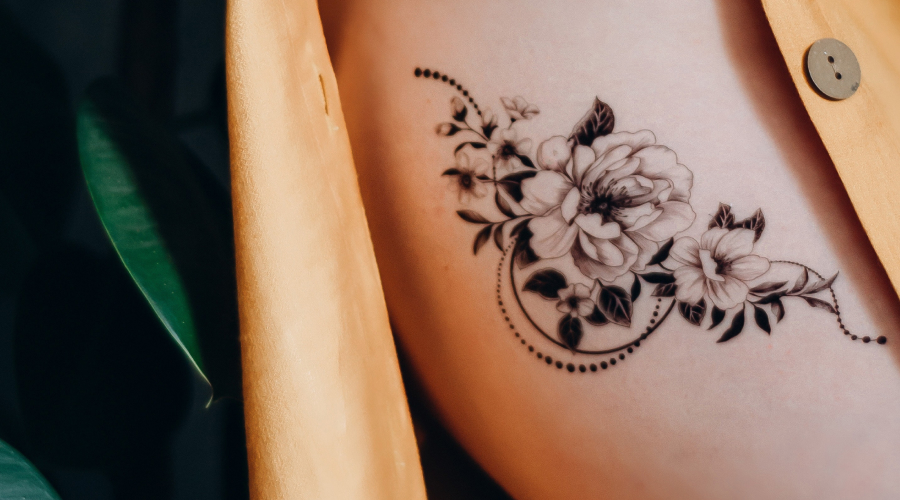
Black and grey refers to tattoos created solely with black and grey tones. This style originated among prison inmates and became popularized in the late 1970s. It involves diluting black ink with water to achieve various shades. Many assume it is simple due to the limited color palette, but the subtle variations in shading determine the detail, making it quite challenging. In some cases, it can appear more three-dimensional than neo traditional tattoos.
3. Blackwork Tattoo
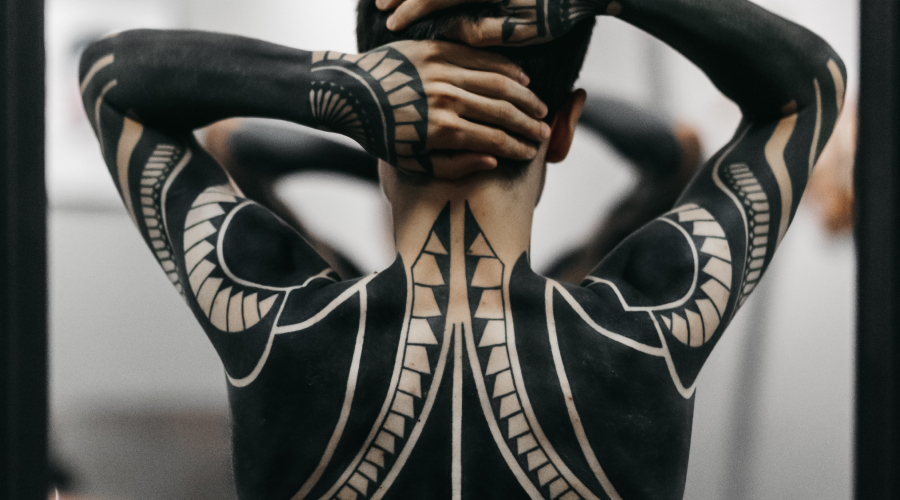
Blackwork tattoos are created using only black ink. This style draws inspiration from ancient tribal tattoos and features geometric patterns, thick lines, and negative space. It is particularly suited for larger designs, such as covering an entire arm or back. While it may seem simple at first glance, the intricate details and patterns require a high level of skill from the tattoo artist.
4. Small Tattoo
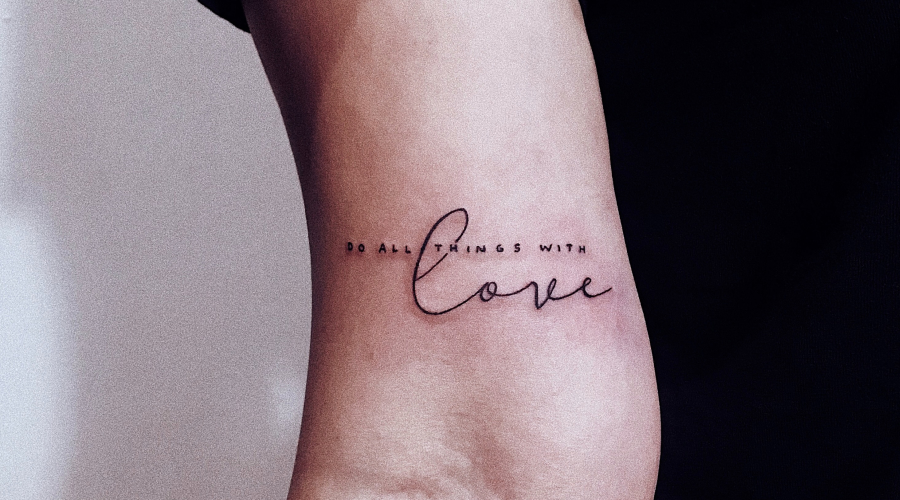
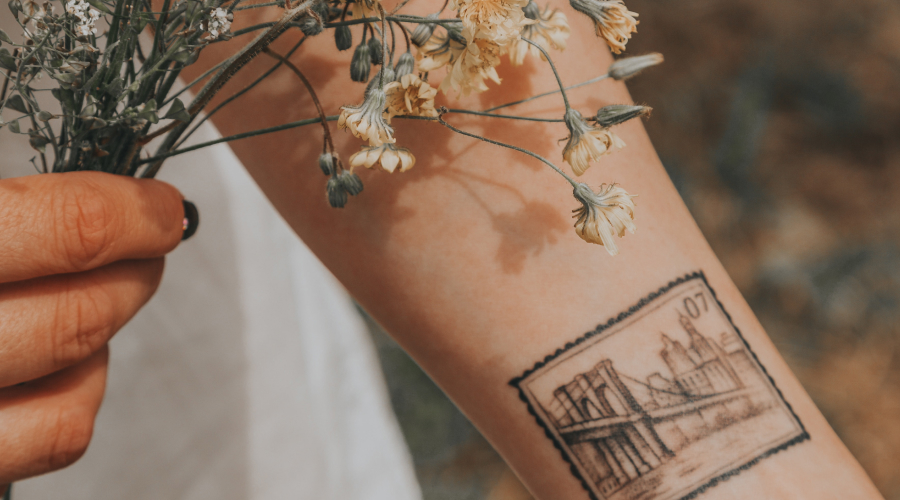
As the name suggests, small tattoos are compact designs, typically no larger than a few inches. They are popular for their subtlety and can be placed in discreet areas like the wrist, ankle, or behind the ear. Common motifs include symbols, quotes, or minimalist illustrations. Due to their size, they heal quickly and are less painful, making them ideal for first-time tattoo recipients.
5. Old School Tattoo
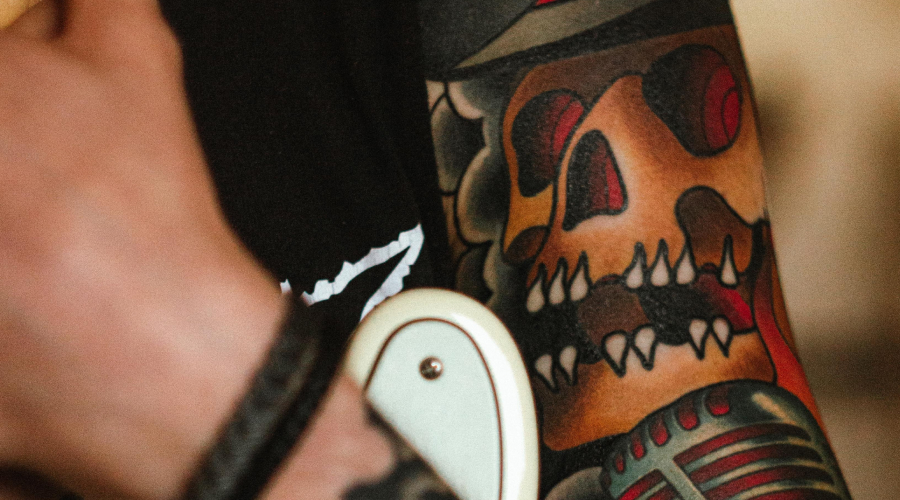
Old school tattoos, also known as American traditional, originated from sailor culture in the early 20th century. They feature bold black outlines, limited color palettes (red, green, yellow, black), and simple, iconic designs like anchors, roses, eagles, and pin-up girls. This style emphasizes durability and visibility from a distance, reflecting its historical roots in maritime life.
6. Irezumi Tattoo
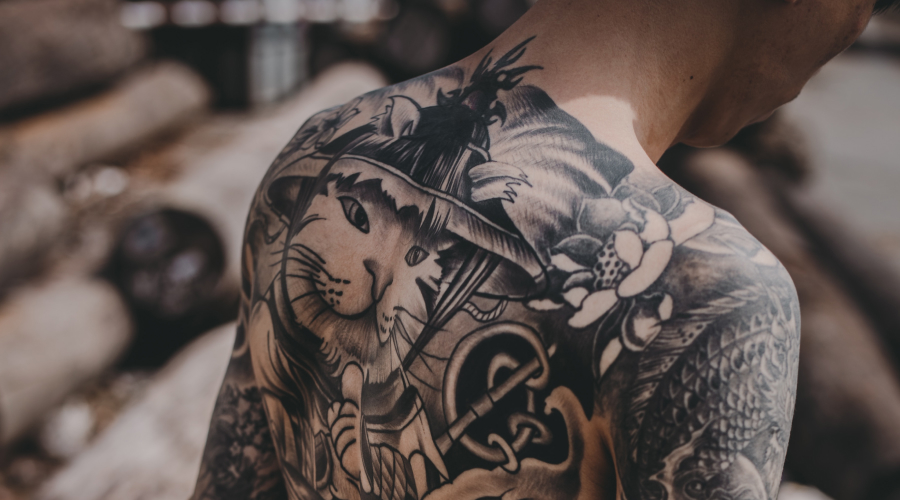
Irezumi is a traditional Japanese tattoo style that covers large areas of the body, often the entire back or arms. It incorporates mythological creatures, nature elements, and symbolic motifs like dragons, koi fish, cherry blossoms, and samurai. The designs are intricate, with flowing compositions and vibrant colors, traditionally applied using hand-poking methods called tebori.
7. Watercolor Tattoo
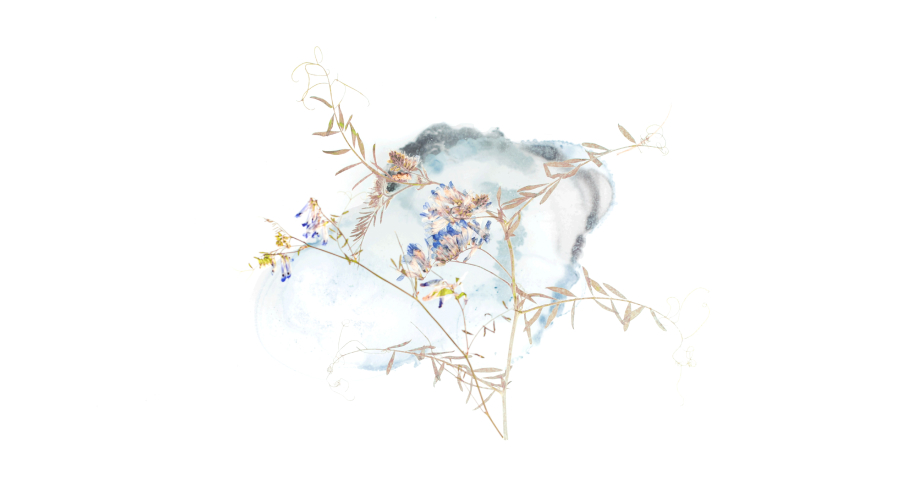
Watercolor tattoos mimic the appearance of watercolor paintings, with soft, blended colors and no bold outlines. They often feature abstract designs, landscapes, or floral patterns that appear as if brushed onto the skin. This style requires skilled shading techniques to create the illusion of fluidity and transparency, though colors may fade more quickly over time compared to traditional tattoos.
8. Chicano Tattoo
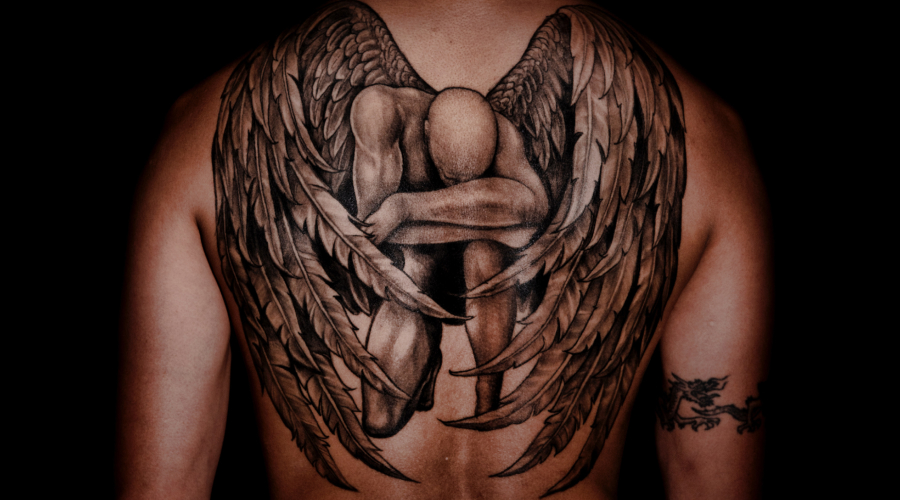
Chicano tattoos emerged from Mexican-American culture in the mid-20th century, often associated with gang and prison life. They typically use fine black lines to create detailed portraits, religious icons, lowriders, and script lettering. Common themes include family, faith, and cultural pride, rendered in a realistic or stylized manner with heavy shading for depth.
9. Tribal Tattoo
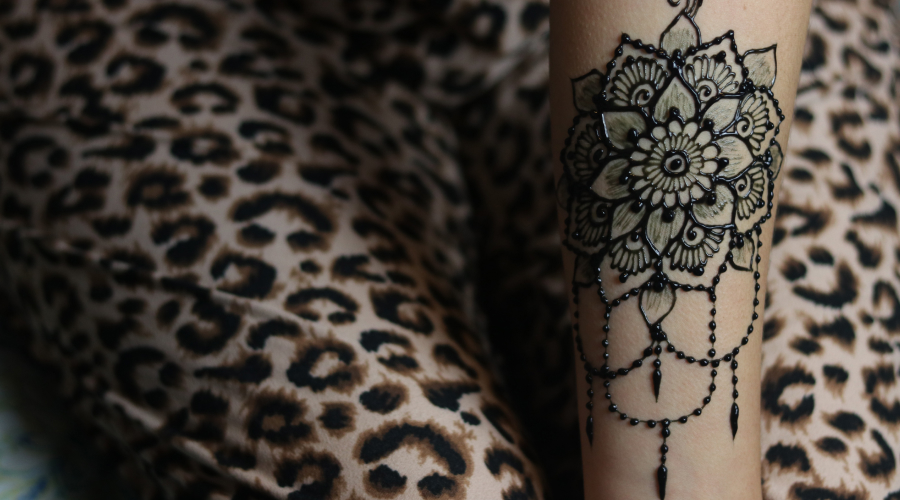
Tribal tattoos draw from indigenous cultures worldwide, featuring bold, black geometric patterns and symbols. Popularized in the 1990s, they often incorporate curves, points, and interlocking shapes that flow with the body’s contours. Each design can hold cultural significance, representing strength, heritage, or spiritual beliefs, though modern versions are frequently chosen for aesthetic appeal.
10. Trash Polka Tattoo

Trash polka is a distinctive style originating from Germany, combining realistic elements with abstract, chaotic designs in black and red ink. It incorporates collage-like compositions, including portraits, text, geometric shapes, and splatters that resemble newspaper clippings or graffiti. This bold, high-contrast approach creates a sense of organized disorder, appealing to those seeking unconventional body art.
Beyond these, there are other types such as realism, geometric, minimalist, and 3D tattoos. Since there is considerable overlap and introducing all would extend the content excessively, I have selected only the most representative ones. Among these, did any tattoo type appeal to you? At one point, I seriously considered a tattoo and had small tattoos or watercolor tattoos in mind. Upon closer examination, however, watercolor seems particularly challenging. Selecting a tattoo artist is difficult, but achieving truly beautiful artwork appears to be highly demanding.