
The Gourmet Nation of France: The Most Common 7-Step French Course Sequence
Compared to many Asian countries including South Korea, European dining — especially in France — tends to be slower and more drawn out. When traveling in Europe (not everywhere, of course), you quickly notice that meals are leisurely affairs. Unlike in the United States or Korea, where we often eat hearty and quick meals when hungry, Europeans seem to reserve elaborate dining for important occasions, and the dining time is notably longer. The fact that they don’t neglect conversation with their dining companions even when the food cools down left a strong impression on me. This phenomenon appears particularly pronounced in Italy and France, known as gourmet nations.
So what does a classic French meal actually look like? Below is the most common 7-step French course sequence.
01. L’Apéritif / Aperitif (Appetizer Drink)
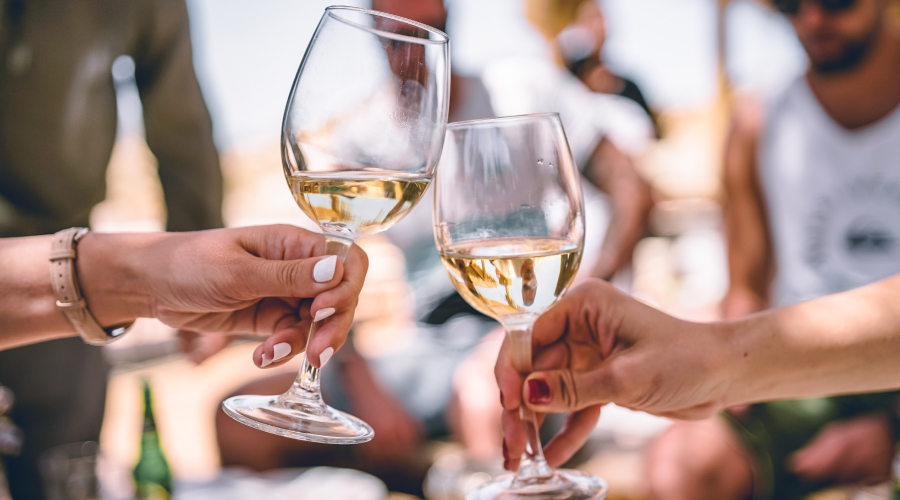
The first step in the French course sequence is the apéritif. This refers to enjoying an alcoholic beverage before the main meal begins. If you visit a fine dining restaurant in France, the waiter will ask if you would like a drink and what you would like to start with before taking your food order. Popular apéritif choices include wine, whiskey, cocktails, and fruit juices.
Originating in the Middle Ages, the apéritif was historically a stage to consume something to relax the stomach and promote digestion before a meal. However, today’s apéritif has become more of an excuse to enjoy alcohol. After all, a little alcohol seems necessary to have a good time with company!
02. L’Entrée / Entrée (Starter)
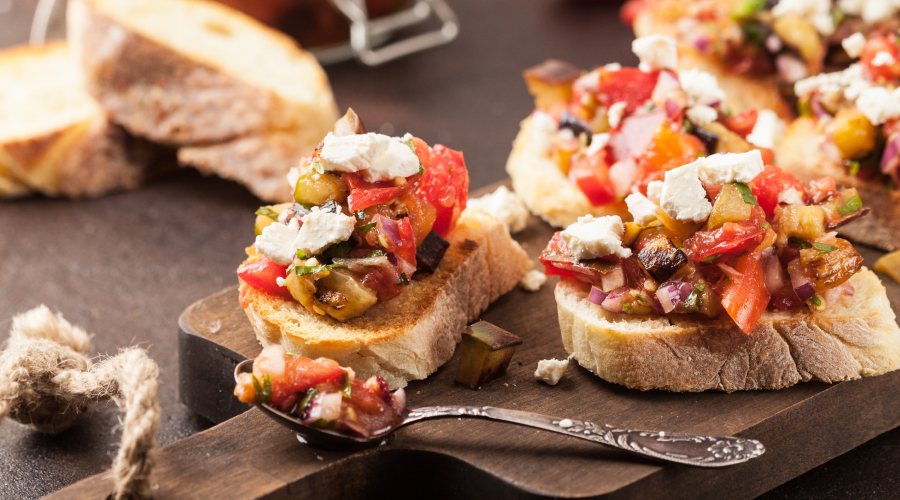
The second step is the entrée. This corresponds to what we commonly know as the appetizer. In French, it means “entrance,” signifying the stage before the official meal begins. Foods served as entrées include quiche Lorraine, baked brie, cheese soufflé, onion tart, and soup, with soup being the most familiar appetizer among them.
The entrée serves to whet the appetite, as we know, but also to fill the empty stomach before the main course starts. Interestingly, in the United States, “entrée” refers to the main course rather than the appetizer.
03. Le Poisson / Fish Course
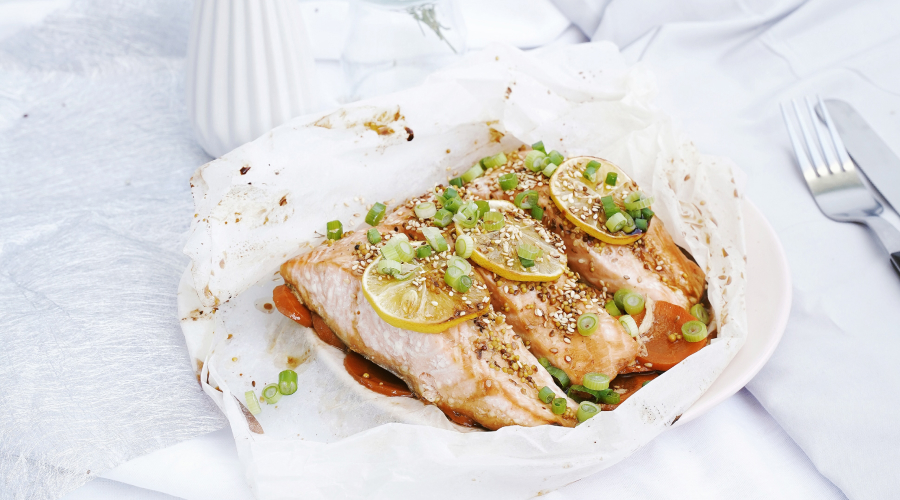
Le Poisson is categorized as the stage either immediately preceding the main meat course or sometimes serving as a lighter main course itself. Regardless of the order, it is always the step before consuming heavier meats like beef. In this French course sequence, fresh fish such as salmon, tuna, flounder, escargot (though technically a land snail, often categorized here in broader seafood contexts), or sole is used, typically grilled or fried with vegetables.
The reason for stimulating the appetite with a fish dish before tasting meat in France is that the texture and taste of beef are much heavier, so this serves as a preparation. Therefore, Le Poisson avoids stimulating ingredients and is often served with mint or lime sherbet to allow you to enjoy the fresh fish as cleanly as possible.
04. Le plat principal / Main Course
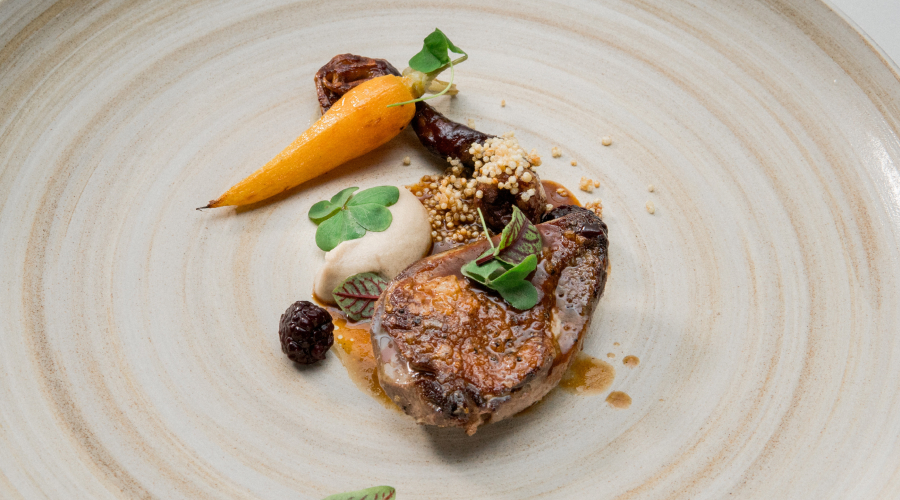
The fourth step is Le plat principal. This corresponds to the main course, utilizing various meats such as beef, pork, chicken, and lamb. In France, the center of a course meal is always meat, and among them, duck is very popular. Duck is a beloved meat in France, and foie gras is also made from duck liver. The duck skin is grilled until crispy, while the meat maintains a soft and juicy texture.
Also, in France, there is a developed culture of enjoying wine with the main dish. Red wine is said to go well with beef or lamb, while white wine pairs with chicken or pork.
05. La salade / Salad
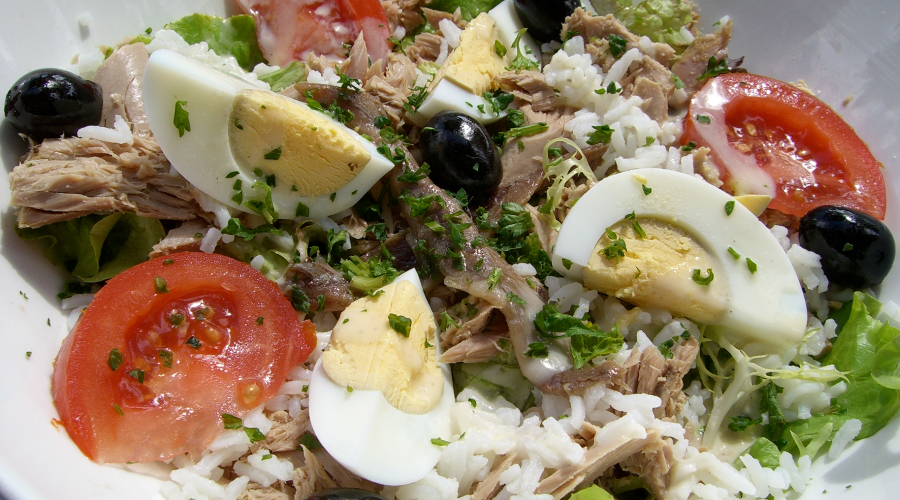
The fifth step is La salade. This corresponds to the salad course. In France, eating salad after the main course helps digestion and cleanses the palate. Salad ingredients include lettuce, tomatoes, cucumbers, olives, cheese, and nuts, with dressings based on olive oil, vinegar, salt, and pepper.
The reason for eating salad after the main dish in France is to neutralize the heavy texture and taste of the main course. Therefore, French salads pursue a taste that is as light and refreshing as possible.
06. Le fromage / Cheese
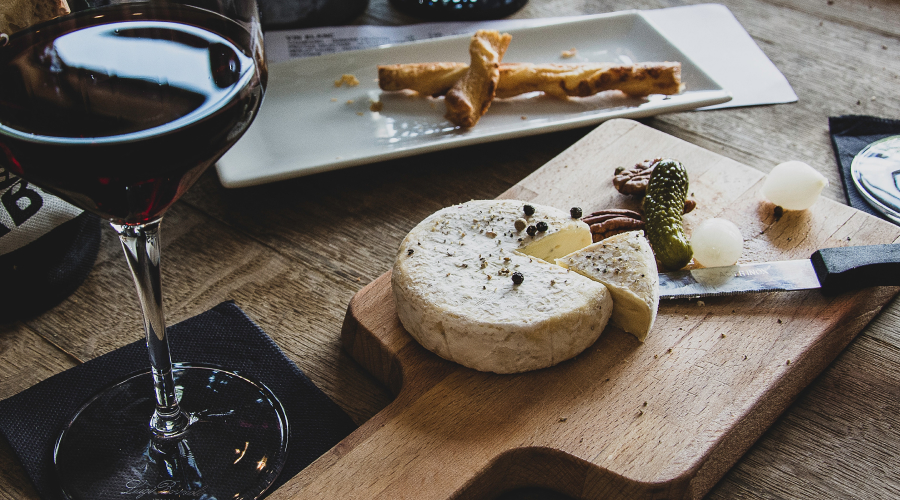
In France, there is a saying, “A meal without cheese is like a beautiful woman with only one eye.” This implies that cheese must not be missing from the French course sequence. It is mainly served with red wine or bread, and the varieties are diverse. From soft cheeses like Camembert to hard cheeses like Comté or Gruyère, and melting cheeses like Tomme—anything that tastes good is welcomed in the meal.
07. Le dessert / Dessert
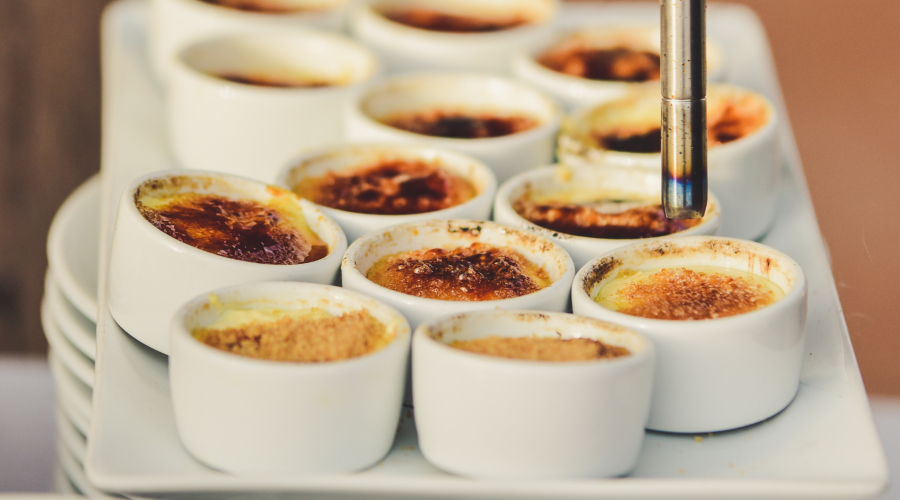
The final stage of the French course sequence is, as you well know, the dessert. It is characterized by being served small, beautiful, and varied. Popular desserts include crème brûlée, baba au rhum, chocolate profiteroles, mousse, and apple tart. Among these, baba au rhum is a small yeast cake soaked in alcohol syrup that spread from Lorraine in the 1800s, and crème brûlée is a vanilla dessert with a sugar crust.
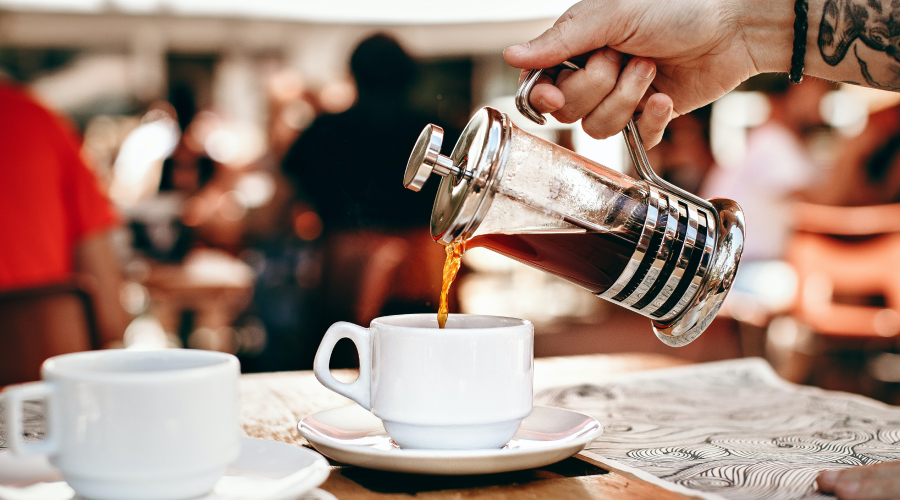
I won’t dare say this is absolute, but the French course sequence I introduced is the most common one. This means that the way of enjoying course meals can vary by region and household. Also, French people are said to aid digestion by drinking beverages like coffee or cognac after finishing a meal. This doesn’t seem too different from the custom in many cultures, including Korea or the US, of enjoying coffee after a full meal. Though they may look similar, the French course sequence has many unique points when looked at closely. I hope this was useful information for you, and why not enjoy a course meal this weekend?