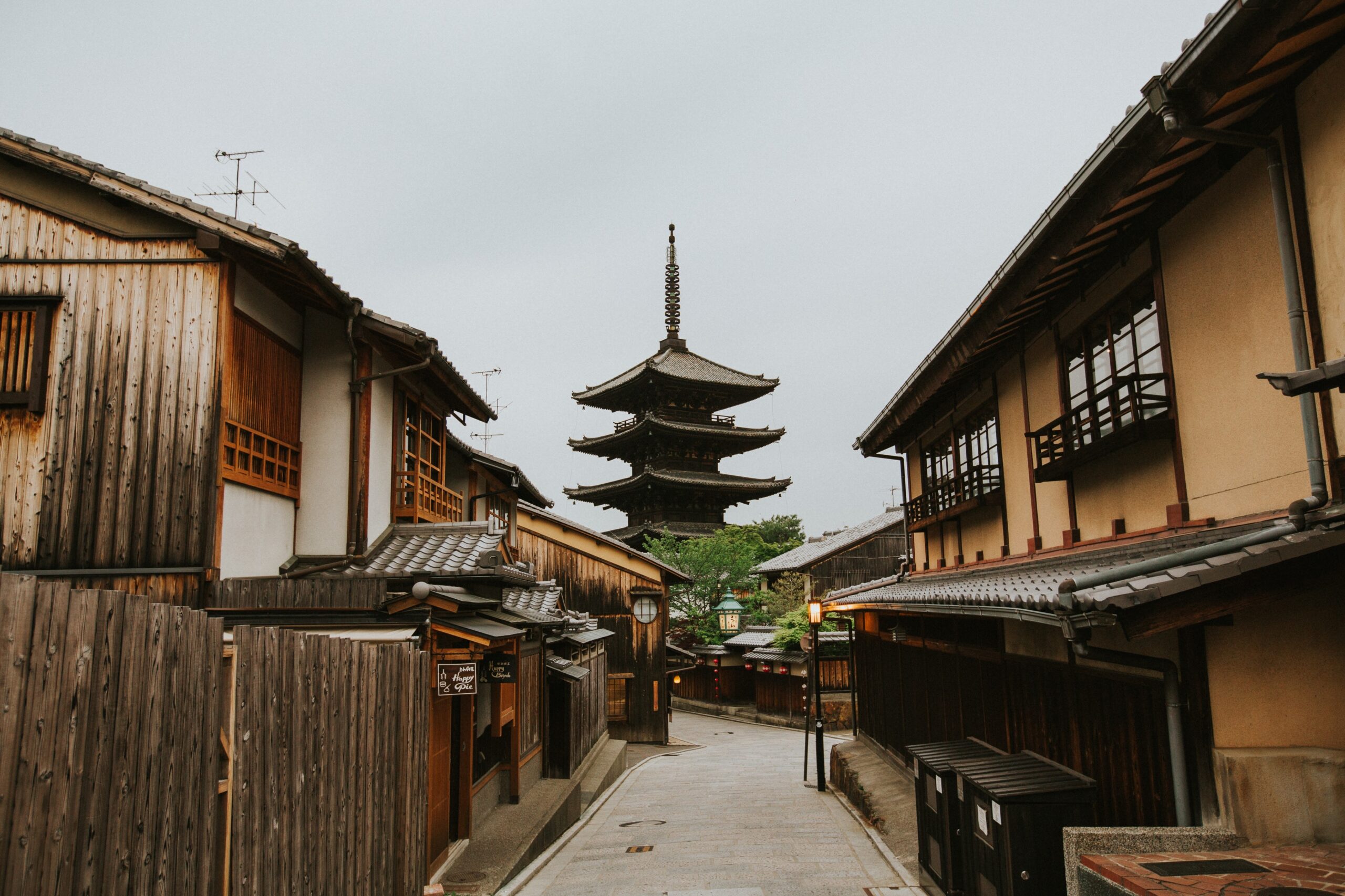
Top 10 Must-Visit Places in Kyoto, Japan – Recommended Attractions
Many travelers visit Kyoto as a quick day trip while basing themselves in Osaka, thinking something like, “Since I’m already in Osaka, I might as well swing by Kyoto.”
But Kyoto – a city steeped in Japan’s traditional culture and history – offers a completely different vibe from the modern, urban energy of Osaka. Treating it as just a side trip can leave you with a few regrets, because there are far more incredible sights here than most people expect. Wondering what they are? Here are the top 10!
1. Kyoto National Museum
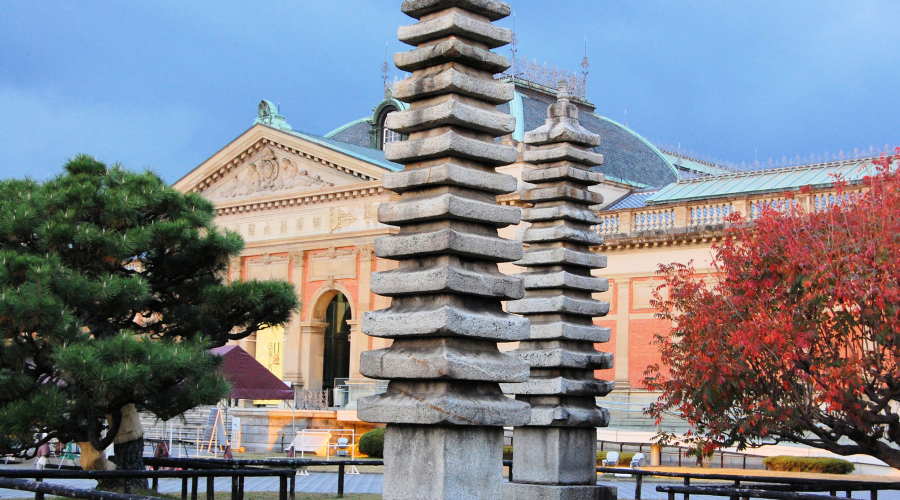
Even if museums aren’t usually your thing, the Kyoto National Museum is worth a visit. Established in 1897, it’s considered one of the most important cultural institutions in the entire country and houses world-class collections, especially of pre-modern Asian art. There are also plenty of hands-on exhibits. Since Kyoto is Japan’s city of culture and history, this is a great place to start your trip.
2. Kyoto Imperial Palace (Kyoto Gosho)
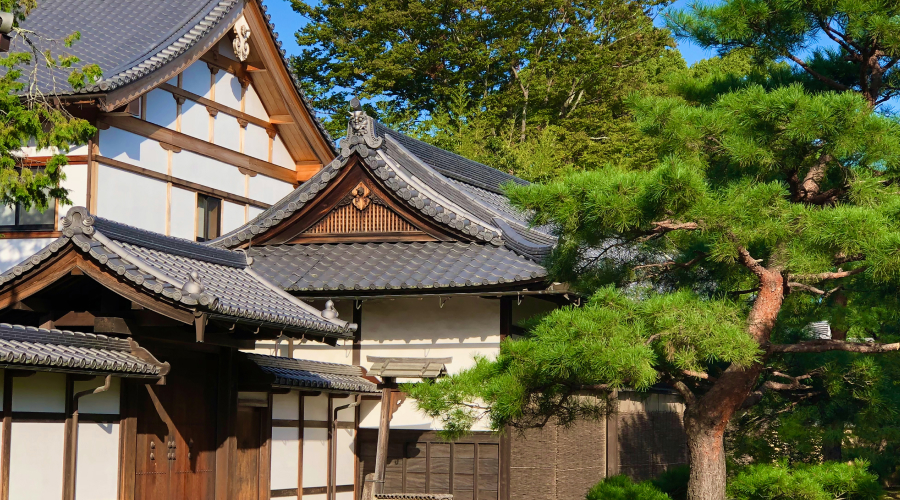
Originally built in 794 CE and rebuilt multiple times after fires, the current palace dates to 1855. The interior showcases exquisite traditional Japanese architecture. The grounds include the Shishinden (ceremonial hall), Seiryōden (emperor’s living quarters), the courtrooms, and the imperial library. As the heart of many state functions for centuries, it remains one of Kyoto’s most iconic landmarks.
3. Golden Pavilion (Kinkaku-ji)
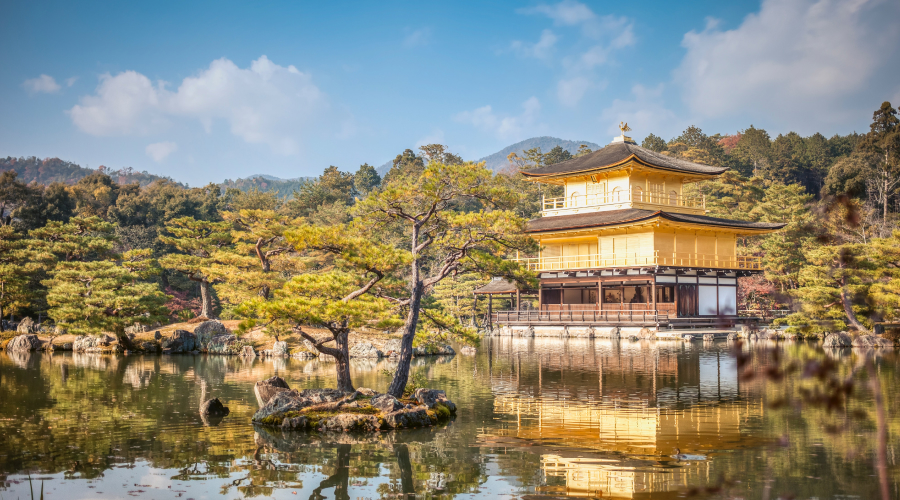
Most people have Kinkaku-ji at the top of their Kyoto list — and for good reason. Built in the 14th century as a retirement villa for shogun Ashikaga Yoshimitsu, it’s now a Zen Buddhist temple open to the public for a small admission fee. The top two stories are covered in gold leaf (hence the name), and the reflection in the surrounding pond is breathtaking in every season — especially during cherry-blossom season and autumn foliage.
4. Gion District
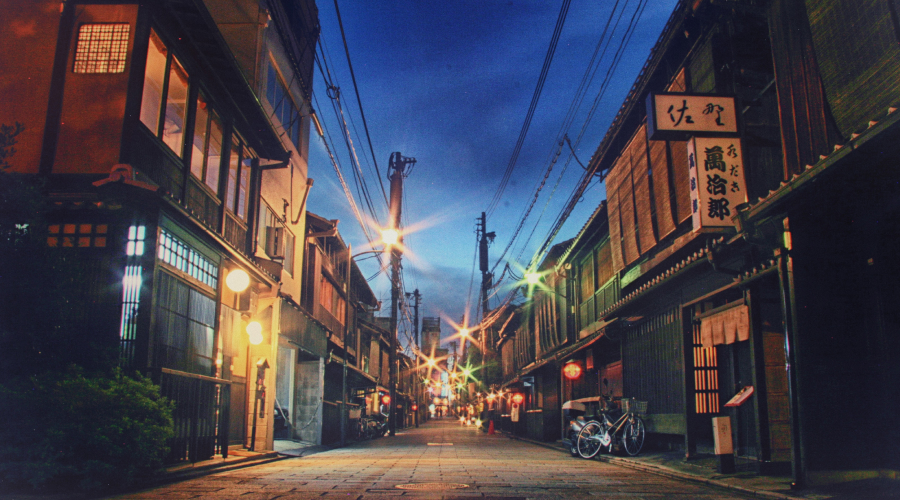
Famous for its entertainment and geisha culture, Gion offers a unique glimpse into traditional Japan. You can rent a kimono, get your hair styled, and take photos along streets lined with wooden machiya townhouses. Don’t worry about the “entertainment district” reputation — it’s very tourist-friendly, with traditional teahouses, restaurants, and dessert shops everywhere. It’s also conveniently close to Ginkaku-ji.
5. Kiyomizu-dera Temple
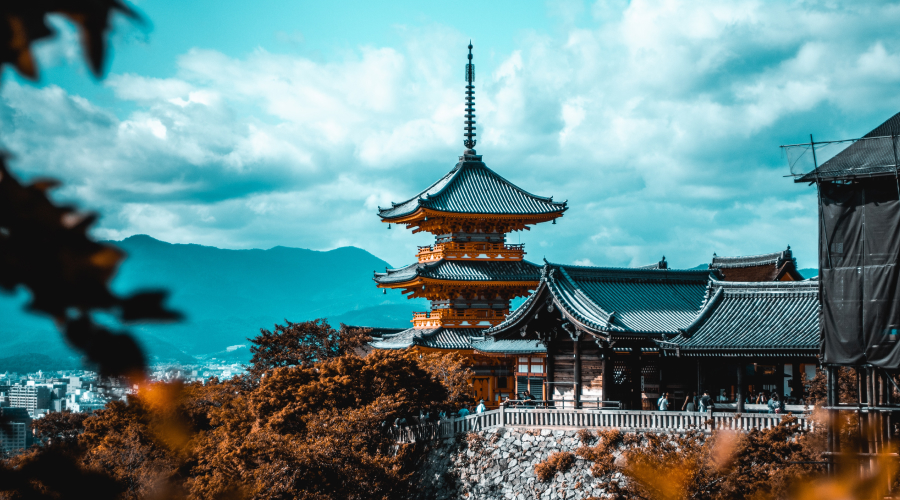
A must-see in Kyoto. Access isn’t the easiest (it sits atop a hill and public transport isn’t super convenient), but the panoramic views over the city make it worthwhile. Founded in 790 CE and rebuilt in 1633, it’s spectacular year-round, though many say autumn is the most beautiful time. I visited just after the cherry blossoms had fallen, and the dense trees partially blocked the view — so timing matters!
6. Nishi Hongan-ji Temple
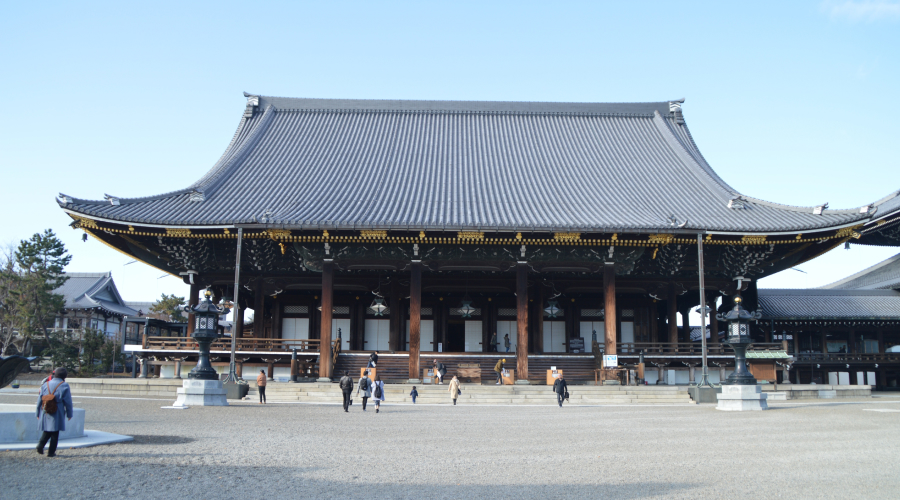
Though it’s a temple, it feels almost like a semi-museum with its historic statues, artwork, and intricate architecture. Rebuilt in the 1760s, the buildings feature gold backgrounds and elaborate paintings. Many rooms contain delicate carvings, some dating back to the 6th century. Note: the interior isn’t always open to the public — you’ll need to apply for permission through the official Japanese website, and photography inside is strictly prohibited.
7. Byōdō-in Temple
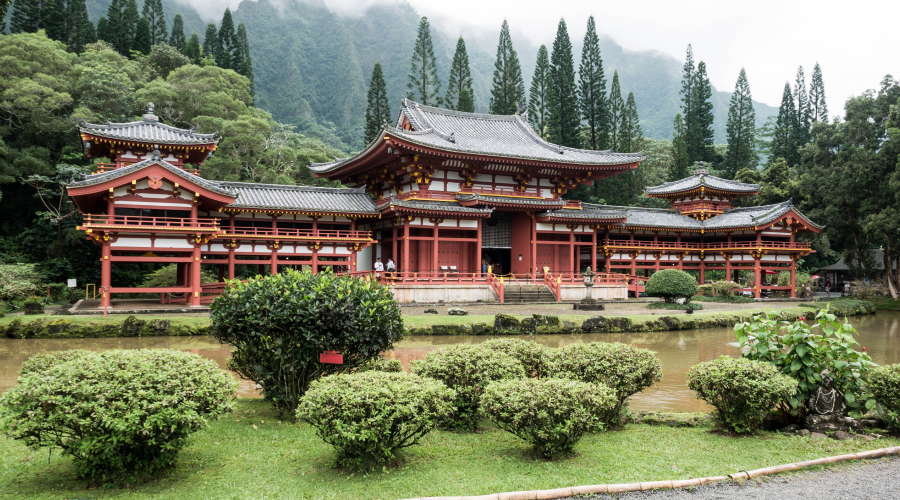
Founded in 988 CE, this temple is renowned for its distinctive architecture and priceless artworks that reflect centuries of Japanese history. Like Kinkaku-ji, it has a scenic pond; the temple’s reflection in the water is often compared (somewhat playfully) to the Louvre’s pyramid in Paris.
8. Arashiyama Bamboo Grove
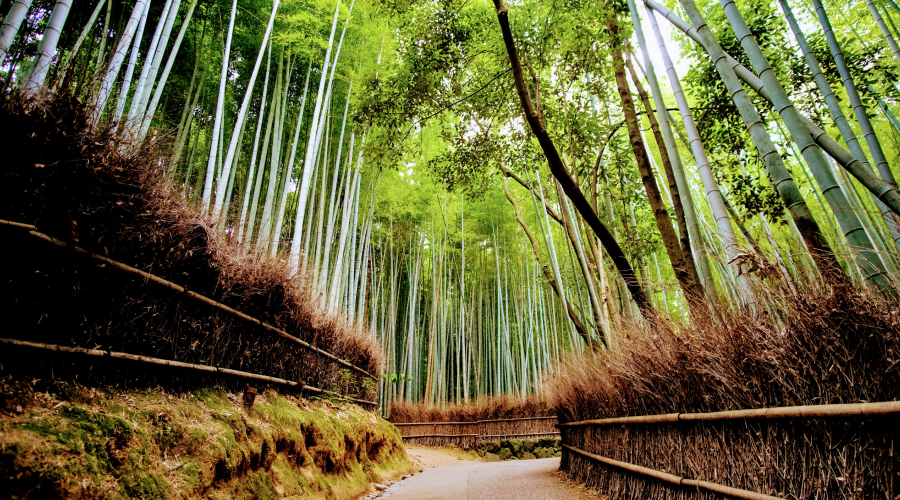
A forest of towering bamboo stalks so dense you can’t see the other side. It’s undeniably famous and photogenic, but the path is shorter than most people expect, and it gets extremely crowded in the afternoon. It’s still worth a quick visit (you won’t see bamboo groves like this every day in the U.S.!), but go early.
9. Silver Pavilion (Ginkaku-ji)
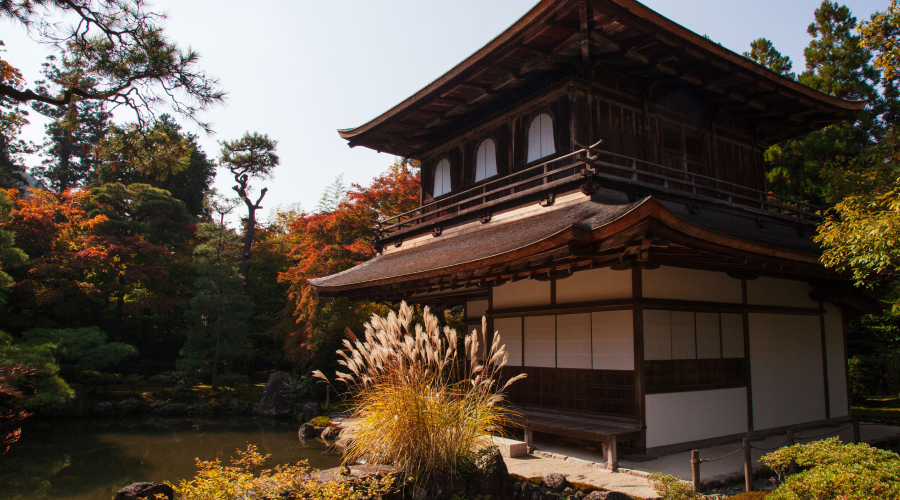
The perfect counterpart to the Golden Pavilion. Many visitors assume it’s covered in silver foil — it’s not, though the original plan apparently was. Built as another shogun’s retirement villa, it shares a similar aesthetic. It’s especially beautiful in summer, and when snow blankets the grounds in winter, the atmosphere feels straight out of a fairy tale.
10. Fushimi Inari Taisha Shrine
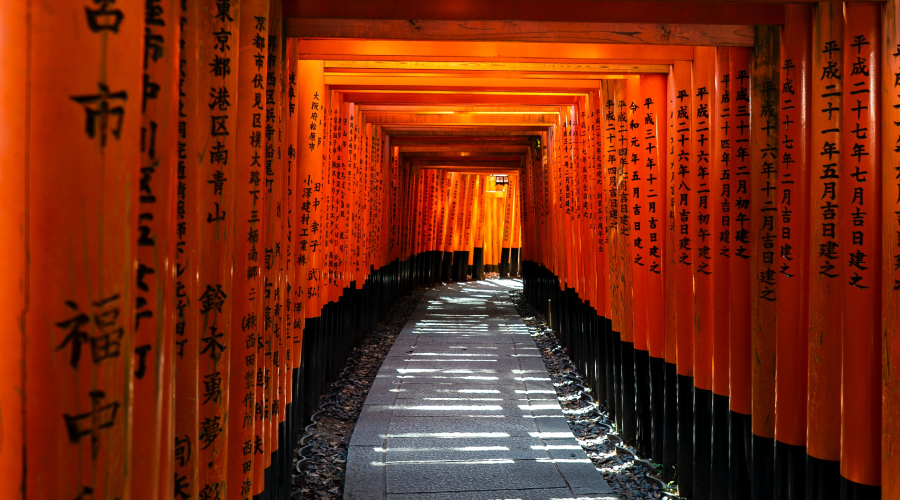
Famous for its thousands of vermilion torii gates forming 4 km of tunnels up the mountain. The main shrine dates back to 711 CE, with the current structures rebuilt in 1499. Unlike most shrines, it’s actually more atmospheric at night when the crowds thin out and the gates are softly lit.
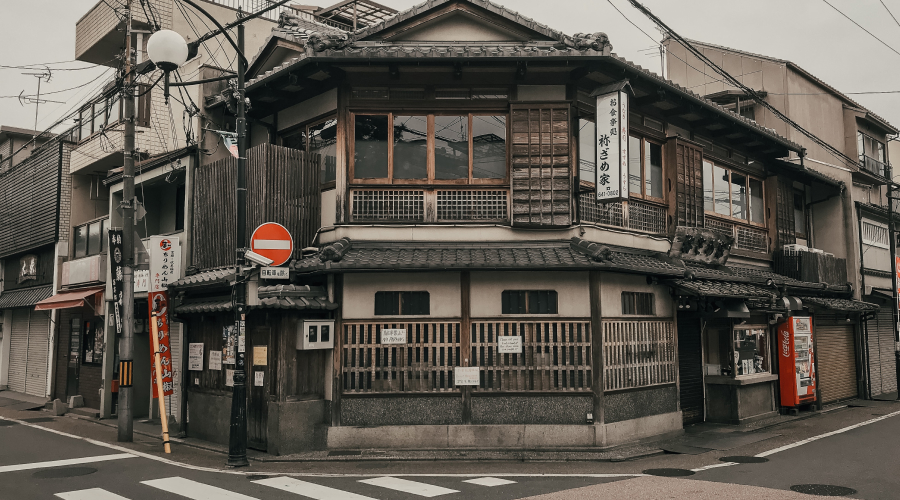
Kyoto is full of smaller, lesser-known gems too — private gardens along the Arashiyama path, for example, often charge a modest entrance fee and are stunningly beautiful.
One piece of advice from someone who’s been there: many major sights don’t have great dining options nearby, and even when they do, the lines can be insane. Pack snacks, and try to visit popular spots first thing in the morning.