Top 10 Must-Visit Attractions in Da Nang, Vietnam
Best Places in Da Nang
A trip to Da Nang is on so many travelers’ wish lists these days, isn’t it? I get a little thrill myself just picturing this charming coastal city in central Vietnam. Emerald seas, a golden bridge floating above the clouds, a dragon bridge that breathes fire at night — Da Nang packs in an incredible amount to enjoy, even on a short itinerary. What I love most is that you can experience mountains, the ocean, a glittering city, and old-world charm all in a single day. And with the UNESCO World Heritage town of Hoi An right next door, it’s no wonder people say one Da Nang trip feels like visiting several cities at once. It’s just a few hours’ flight from major Asian hubs, and prices are gentle on the wallet, making it a favorite even for a first trip abroad — with February through August (the dry season) being an especially good time to go. So today I’ve ranked ten places in Da Nang you absolutely shouldn’t miss. Let’s start from number 10!
10. Museum of Cham Sculpture
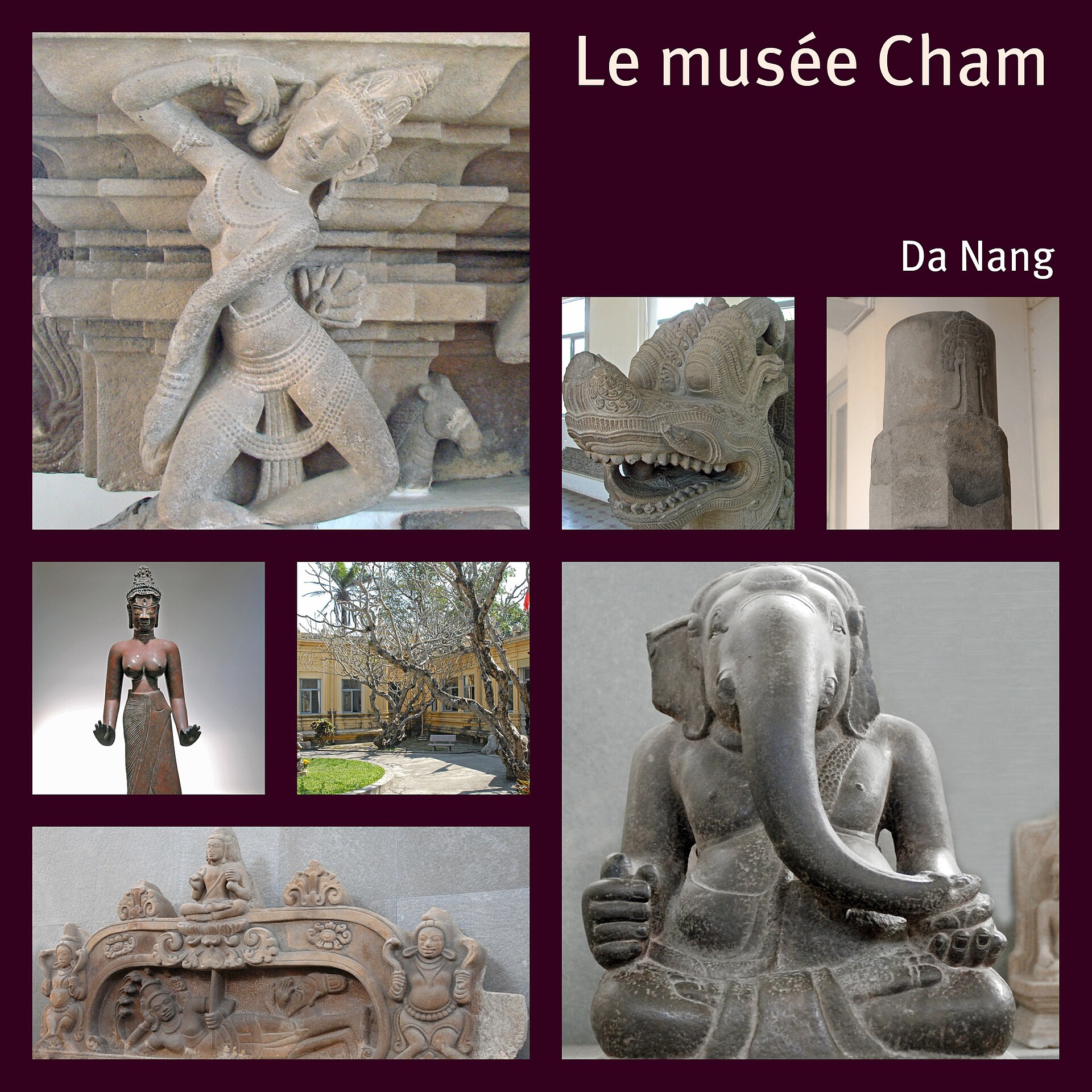
We start somewhere quiet that lets you feel Da Nang’s roots. Founded in 1915 and first opened in 1919, the Museum of Cham Sculpture is now considered home to the world’s largest collection of sculpture from the ancient Champa kingdom. Hindu deities like Shiva and Ganesha and reliefs of apsara dancers, some dating back to the 4th–5th centuries, sit calmly inside a mustard-yellow French-colonial building. It’s compact enough to see in about an hour, so it pairs perfectly with a stroll along the Han River. The air conditioning is a welcome escape from the midday heat, and the Dragon Bridge is just a short walk away.
9. Han Market (Chợ Hàn)

If you want to feel the pulse of local life, nothing beats Han Market. This is Da Nang’s landmark traditional market, right in the heart of downtown next to the Han River. The ground floor is piled high with tropical fruit like mango and lychee, plus cashews, dried fruit and dried seafood, while the second floor is packed with ao dai fabric, souvenirs and inexpensive clothes. Best of all, you can try local dishes like banh xeo and mi quang for very little money — I always ended up filling my stomach here. Haggling is part of the fun, so keep smiling! Step out front and the Dragon Bridge and Han River views take over, making it a great walk after shopping.
8. Asia Park (Sun World Da Nang Wonders)
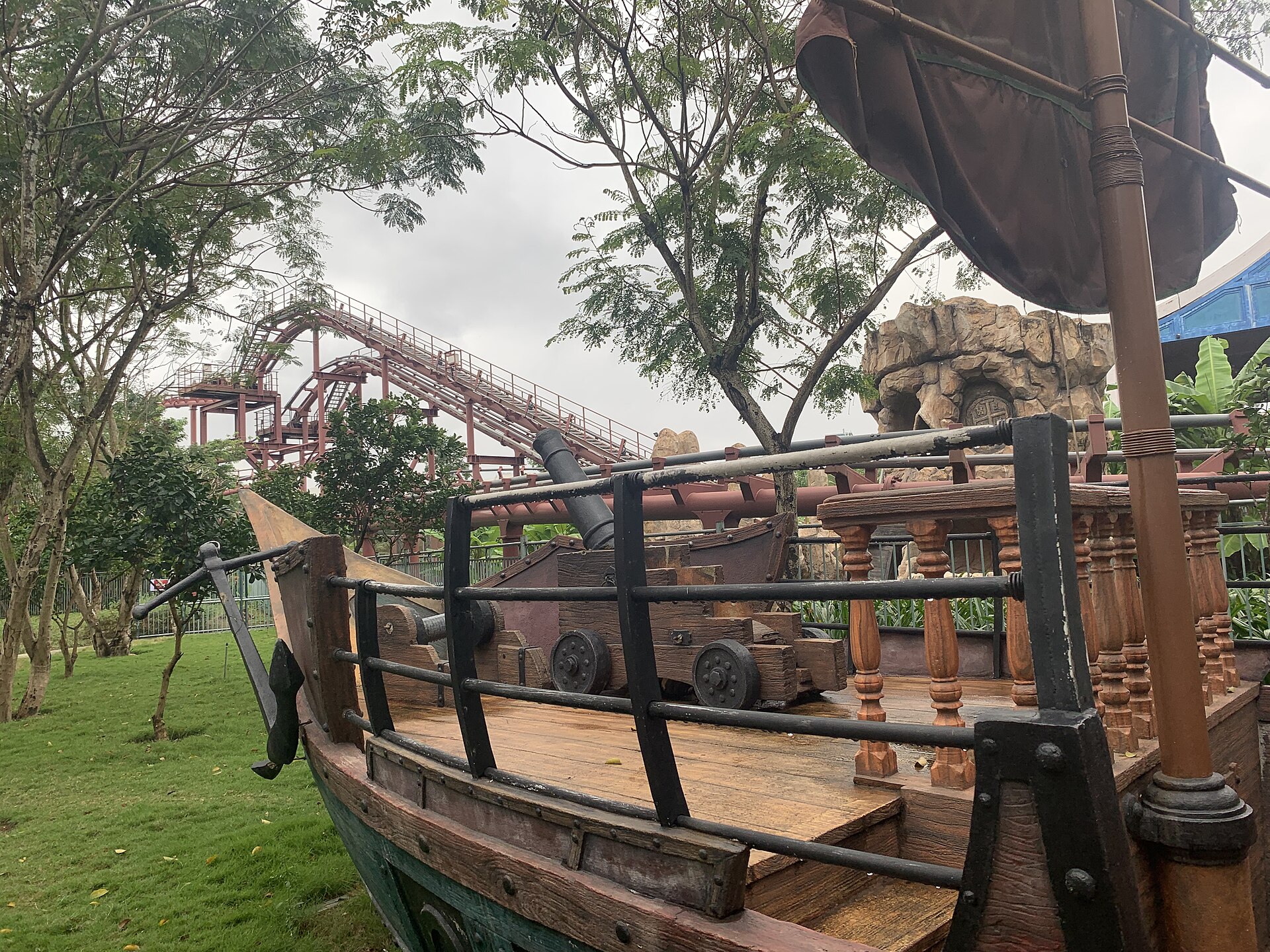
Traveling with kids, or a fan of night views? I’d recommend Asia Park. Its icon is the “Sun Wheel,” a 115 m (about 377 ft) Ferris wheel that opened in 2014 and has become a signature of Da Nang after dark. Zones themed around the streets of different Asian countries sit alongside roller coasters and a carousel, so once the sun goes down it’s perfect for the whole family. It’s compact enough to cover in two or three hours, making it an easy stop before or after dinner — and I’d suggest visiting in the evening, when all the lights come on, rather than during the day.
7. Hai Van Pass
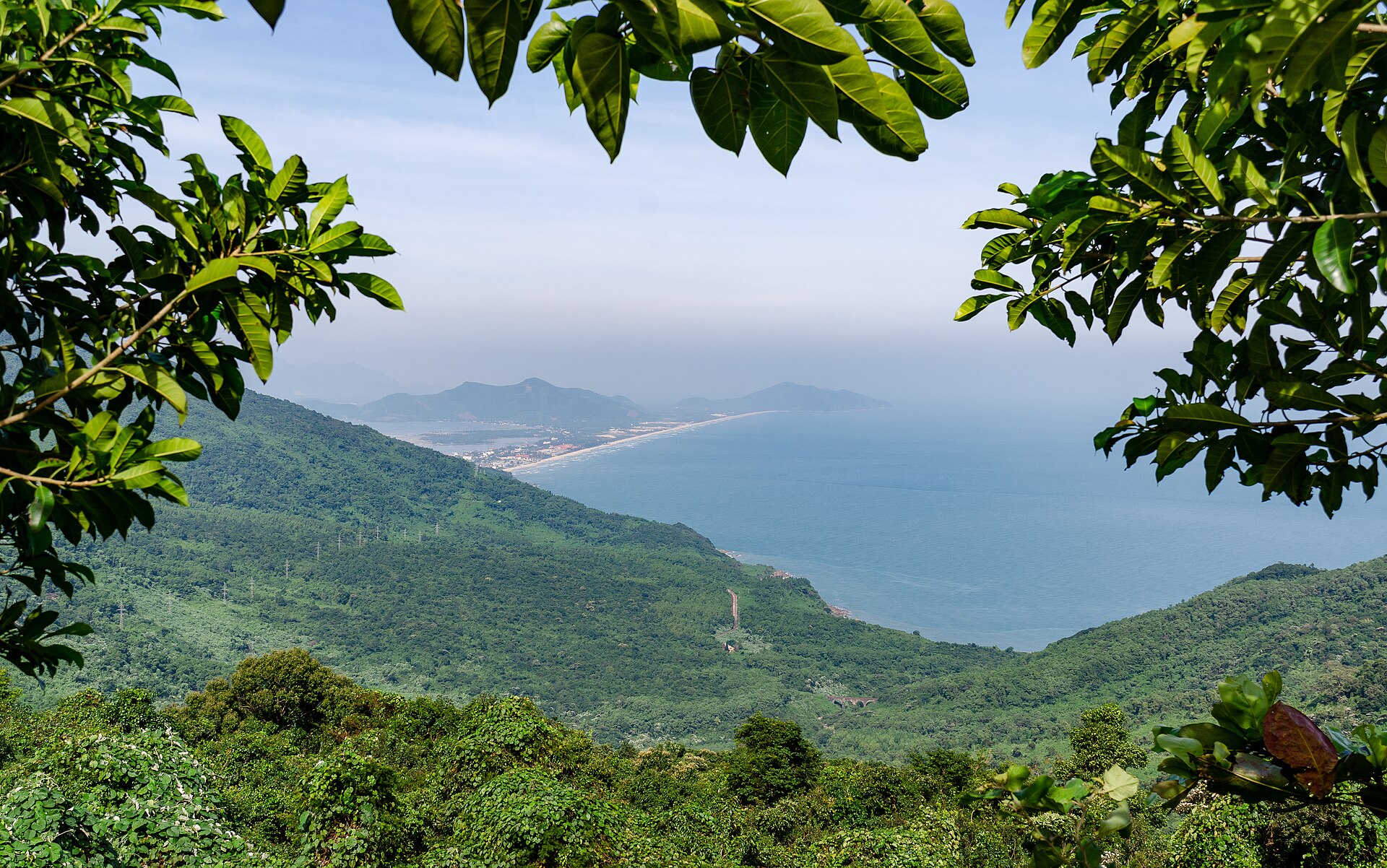
If you love a good drive, this one is unmissable. The Hai Van Pass is a winding coastal mountain road about 21 km (roughly 13 miles) long, climbing to around 496 m (about 1,627 ft) above sea level, that links Da Nang with the former imperial capital of Hue. It shot to global fame when the British TV show Top Gear praised it as one of the finest coastal roads in the world. Reach the summit and the South China Sea and Lang Co Beach open up beneath you. You can take it in by motorbike tour, jeep tour, or even on the Da Nang–Hue train. Most Da Nang-to-Hue day tours include this stretch, so if driving yourself feels daunting, let a tour handle it.
6. Son Tra Peninsula & the Lady Buddha
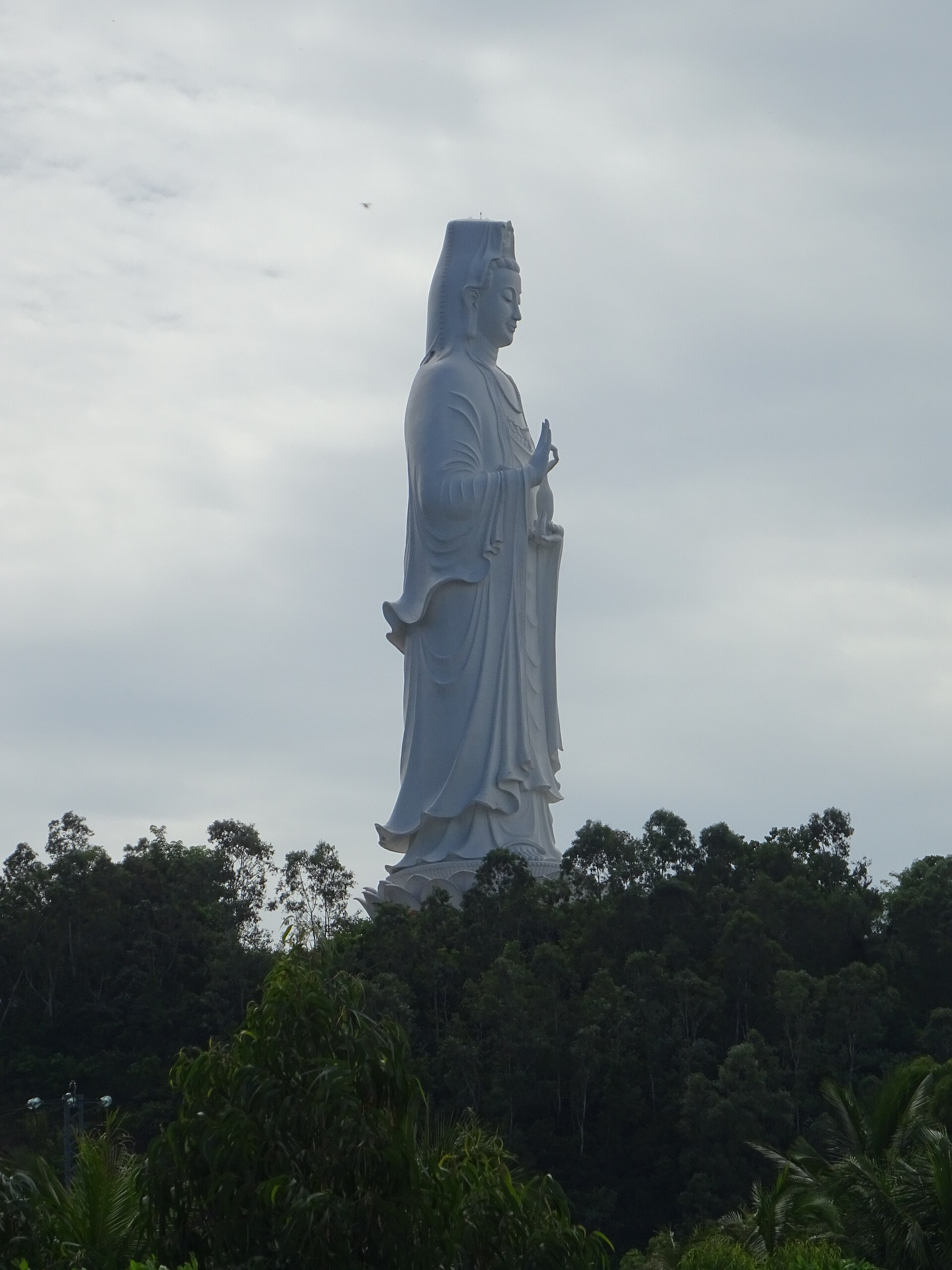
From just about anywhere on My Khe Beach, you’ll spot an enormous white statue glowing across the water. That’s the “Lady Buddha” — a Goddess of Mercy statue at Linh Ung Pagoda atop the Son Tra Peninsula (Monkey Mountain). At about 67 m (around 220 ft) tall, it’s one of the largest such statues in Vietnam, and the way it stands serenely facing the sea is truly striking. The temple grounds are free to enter and refreshingly breezy, and because they sit up on a hill, you get a sweeping view of the city and coastline. The scenery is especially lovely around sunset. You might meet monkeys on the way up, so keep your belongings close — and since it’s a temple, it’s best to avoid revealing clothing.
5. My Khe Beach
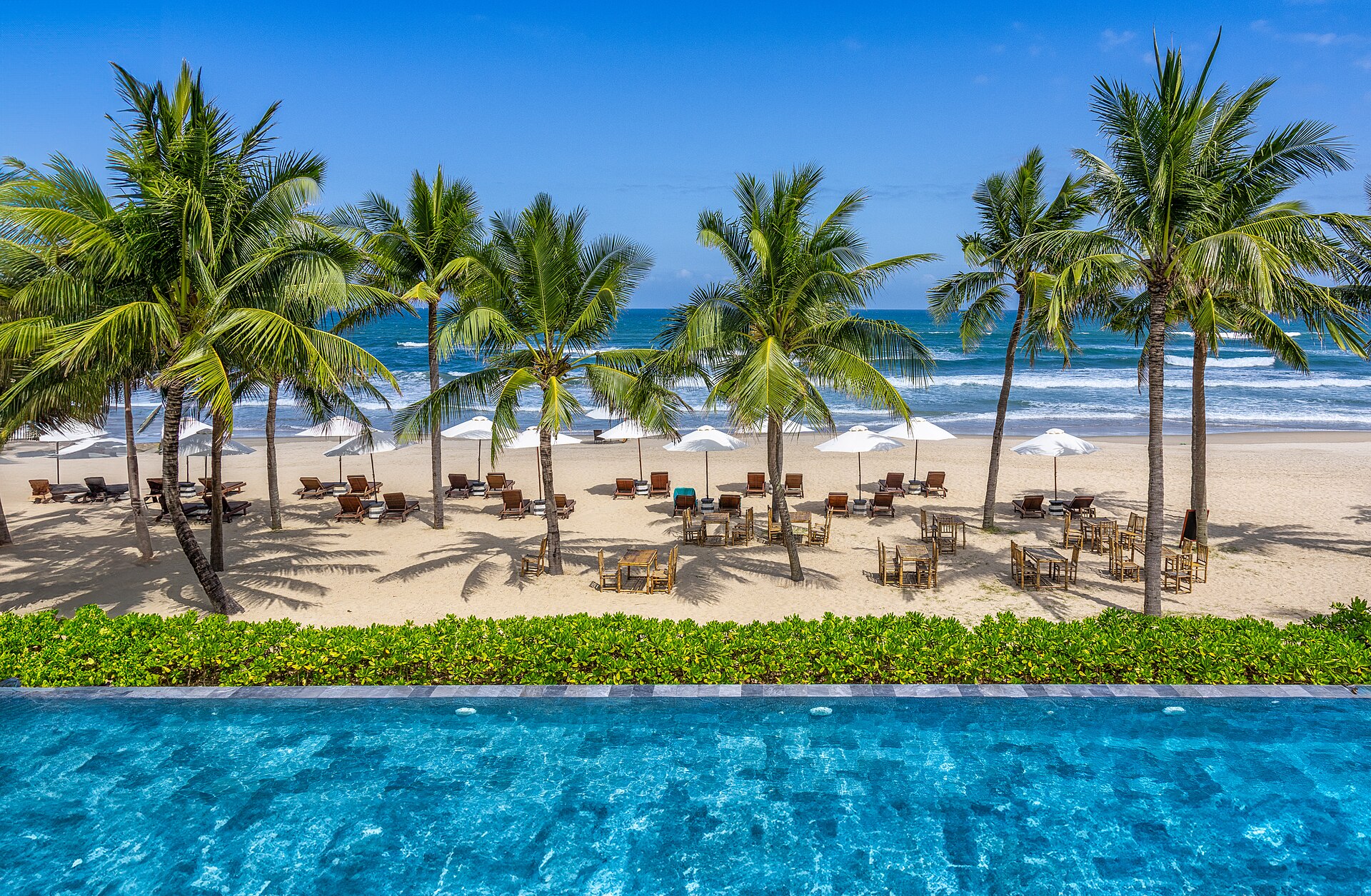
The romance of a Da Nang trip really comes together at the beach. My Khe is the city’s signature stretch of soft white sand, running about 9 km (roughly 5.6 miles), and it grew even more famous after the U.S. magazine Forbes highlighted it as one of the world’s beautiful beaches. The water is clear and the slope gentle, so it’s great for swimming, and the resorts, cafés and seafood restaurants lining the shore make it easy to linger all day. From September through March the swells pick up and plenty of visitors come to surf. It’s also a well-known spot for sunrise — just walking the sand in the early morning lets you soak up Da Nang’s laid-back calm.
4. Marble Mountains
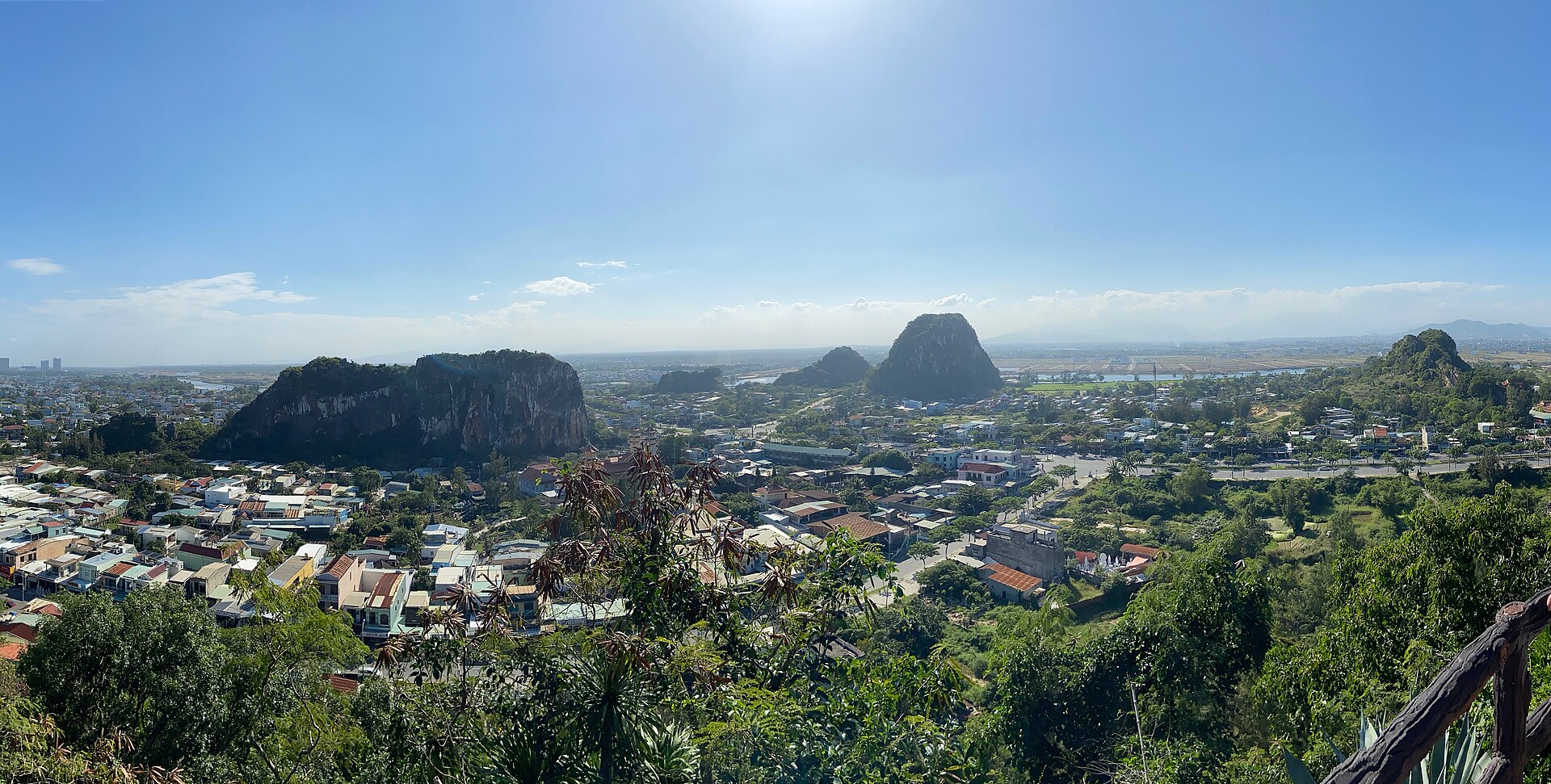
The Marble Mountains (Ngu Hanh Son) are a cluster of five marble and limestone hills named for the five elements — metal, wood, water, fire and earth. The largest, Thuy Son, hides the mysterious Huyen Khong Cave along with old Buddhist temples and pagodas, so exploring feels a bit like a treasure hunt. The stairs are on the steep side, so if the climb to the summit viewpoint is too much, there’s a glass elevator you can take instead. The coastal scenery spread out below is genuinely gorgeous. The caves are dark and the floors slippery, so comfortable shoes are a must — and at the foot of the mountains there’s a marble-craft village that’s fun for souvenir shopping.
3. Dragon Bridge
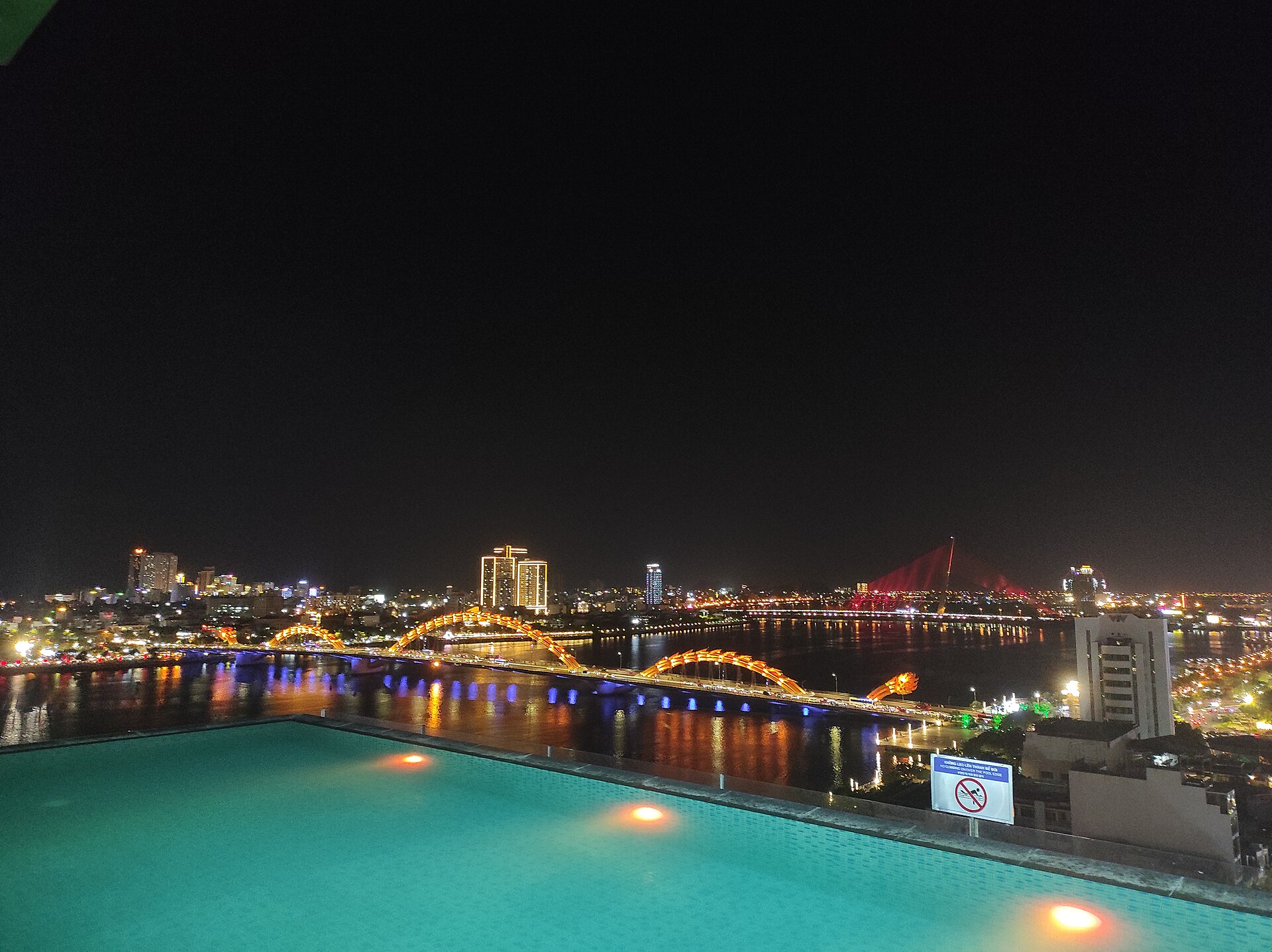
Say “Da Nang” and the first landmark that comes to mind is the Dragon Bridge. Spanning the Han River, it was built to look exactly like a giant golden dragon coiling its body across the water. At night it glows in a rainbow of colors, a spectacle in itself — but the real highlight comes on weekends. Every Saturday and Sunday at 9 p.m., the dragon’s head breathes real fire and then shoots out water in a “fire show.” To catch the roughly five-minute performance, it’s best to grab a spot by around 8:30. Watching from a riverside café or a river cruise lets you enjoy it in comfort, away from the crowds. It’s the scene that makes a Da Nang night unforgettable.
2. Hoi An Ancient Town
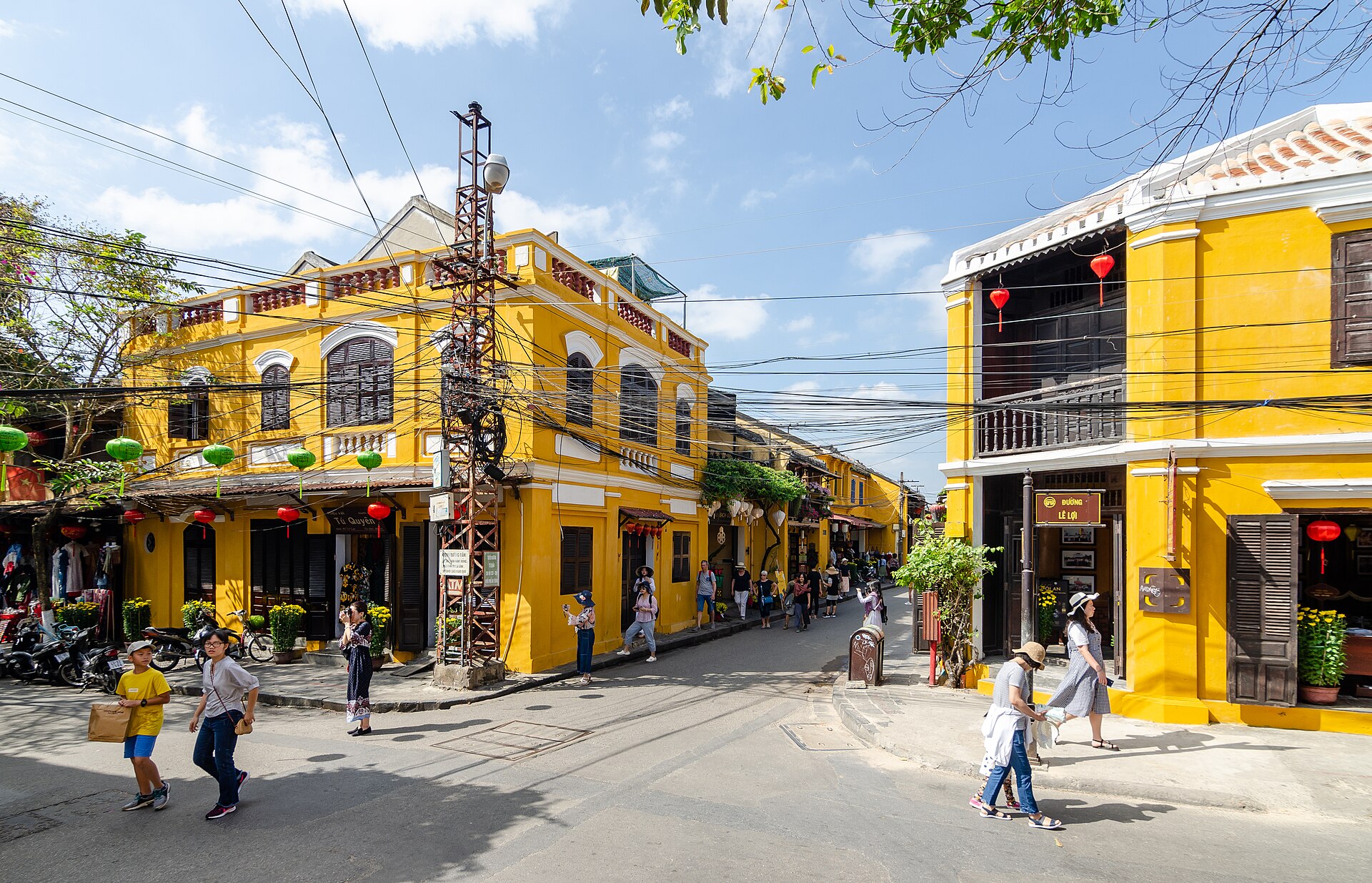
Strictly speaking it isn’t Da Nang but a neighboring town about 30 km (roughly 19 miles) to the south — yet at just over 40 minutes by car, it’s a must-do on any Da Nang trip. Hoi An Ancient Town, designated a UNESCO World Heritage Site in 1999, is a former trading port where mustard-walled old shophouses, the Japanese Covered Bridge, and colorful lanterns strung down every alley come together like a painting. Once the sun sets, thousands of lanterns light up and travelers float wish lanterns on the river — impossibly romantic. Give at least one day of your Da Nang trip to Hoi An. Wander the quiet lanes and pretty cafés by day and enjoy the lantern festival by night — I’d suggest staying half a day or more.
1. Ba Na Hills & the Golden Bridge

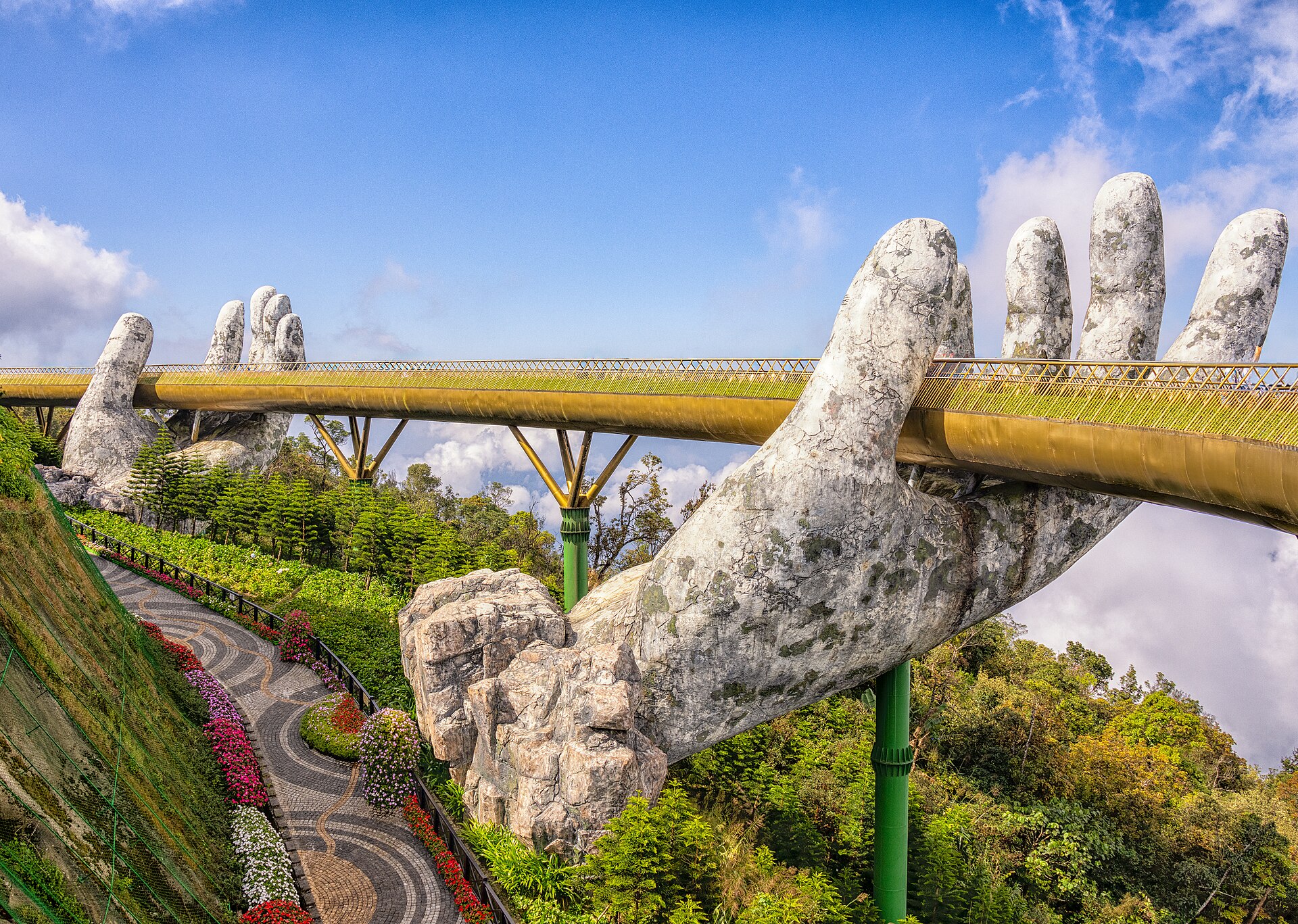
The number-one spot goes, of course, to Ba Na Hills and the Golden Bridge. Perched atop a mountain around 1,487 m (about 4,880 ft) high, Ba Na Hills is a huge resort blending a French-style village, gardens and rides. Its icon, the Golden Bridge, opened in June 2018 and stretches about 150 m (roughly 490 ft), with two giant hands appearing to cradle the golden span — an image that swept across social media worldwide. You reach the summit by a cable car that, when it opened in 2013, set a world record as the longest non-stop single-track cable car at about 5,801 m (nearly 3.6 miles) — a sight in itself. The altitude keeps it cool even in midsummer, so it’s well worth devoting a full day of your Da Nang trip to Ba Na Hills. It’s popular, though, so on weekends and in peak season cable-car lines can get long — I’d recommend heading up early in the morning.
So there you have it — ten must-visit places in Da Nang. What did you think? Just imagining walking across that golden bridge, watching the Dragon Bridge spit fire, and strolling under Hoi An’s lanterns, my heart is already in Da Nang. The ranking reflects a mix of my own experience and how much travelers love each spot, so take it in good fun and let it help you build your own Da Nang itinerary. If you enjoyed this, save it so you don’t forget, and pick the spots that fit your plans one by one. I’ll be back with more travel stories next time. Happy travels!