Top 10 Must-Visit Attractions in Cebu, Philippines
Best Places to Visit in Cebu
Are you planning a Cebu travel adventure? Whenever the sweltering summer rolls around, I find myself especially longing for crystal-clear emerald seas and cool, refreshing waterfalls, and the very first place that pops into my mind is Cebu, that jewel of an island in the central Philippines. It’s remarkably close, just roughly a four-hour direct flight from Seoul, yet it’s rare to find anywhere else where you can enjoy powder-white sand beaches, world-class dive spots, and elegant relics from the Spanish colonial era all in one trip. So today, so that even first-time visitors can have a fail-proof experience, I’ve put together a ranked Top 10 of the must-visit attractions on a Cebu trip. Just a heads-up: the ranking isn’t based on any official metric but is entirely my own subjective pick, so please enjoy it just for fun. Alright, let’s start from number 10!
10. Philippines, Cebu Taoist Temple
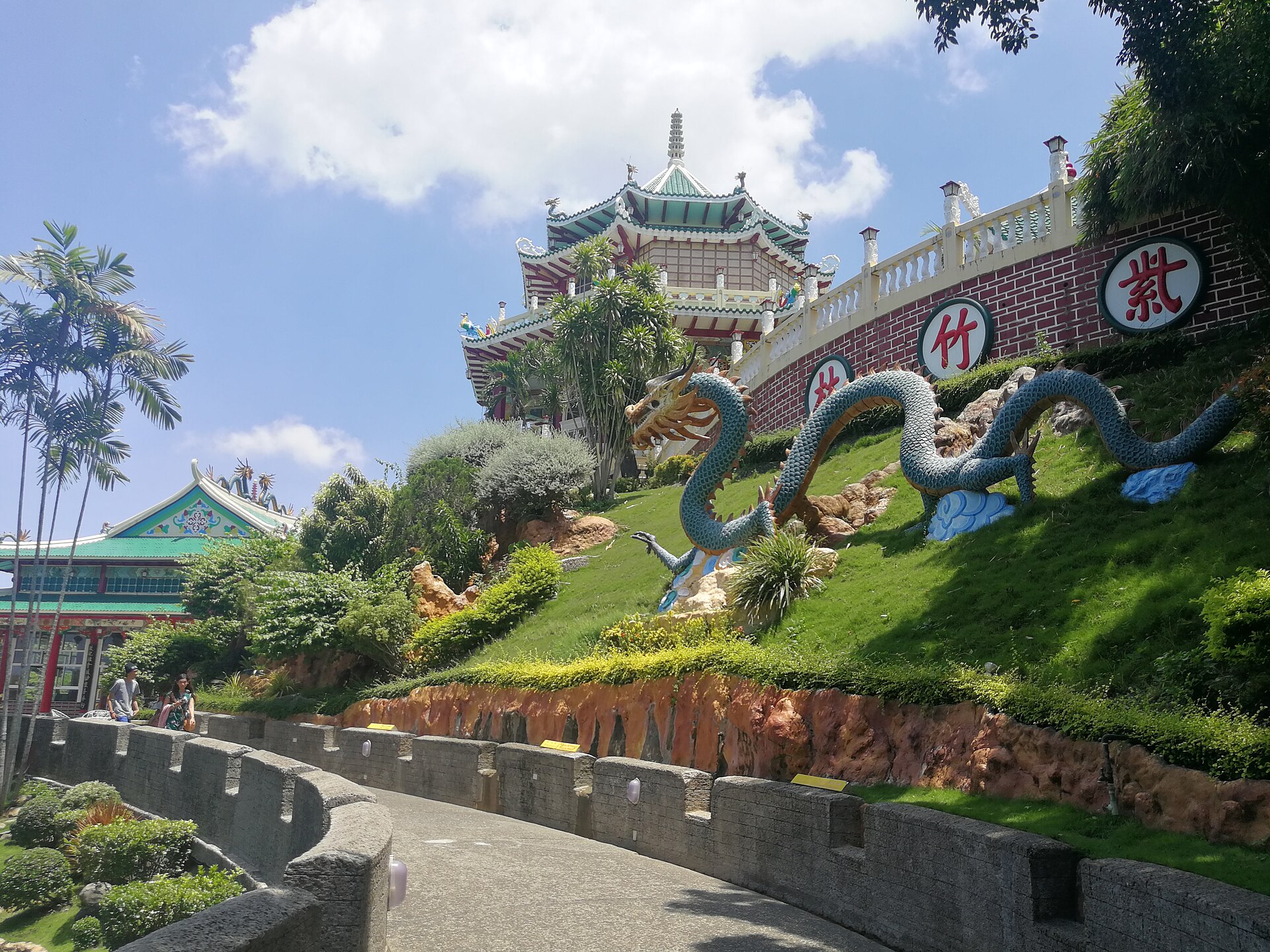
The very first place I want to introduce is the Taoist Temple, perched on the hills of Beverly Hills, Cebu’s affluent neighborhood. Built in 1972 by the Chinese immigrant community that settled in Cebu, it’s striking for its exotic scenery where colorful dragon carvings and red pillars come together. There’s a story that if you climb the 81 steps leading to the top and make a wish, it will come true, which makes it a beloved spot for locals and travelers alike. Sitting up on the hill, it also offers a wonderful view that takes in all of downtown Cebu at a glance, so it’s a great place to step away from the city’s bustle and relax for a while. The scenery of the pastel-painted temple buildings set against the blue sky is perfect for capturing a once-in-a-lifetime photo, too. You can reach it from the city by taxi without much trouble, so it makes for a nice, easy stop on your first day. Just remember that it’s a sacred space used by worshippers, so keep to neat attire and quiet manners.
9. Philippines, Fort San Pedro
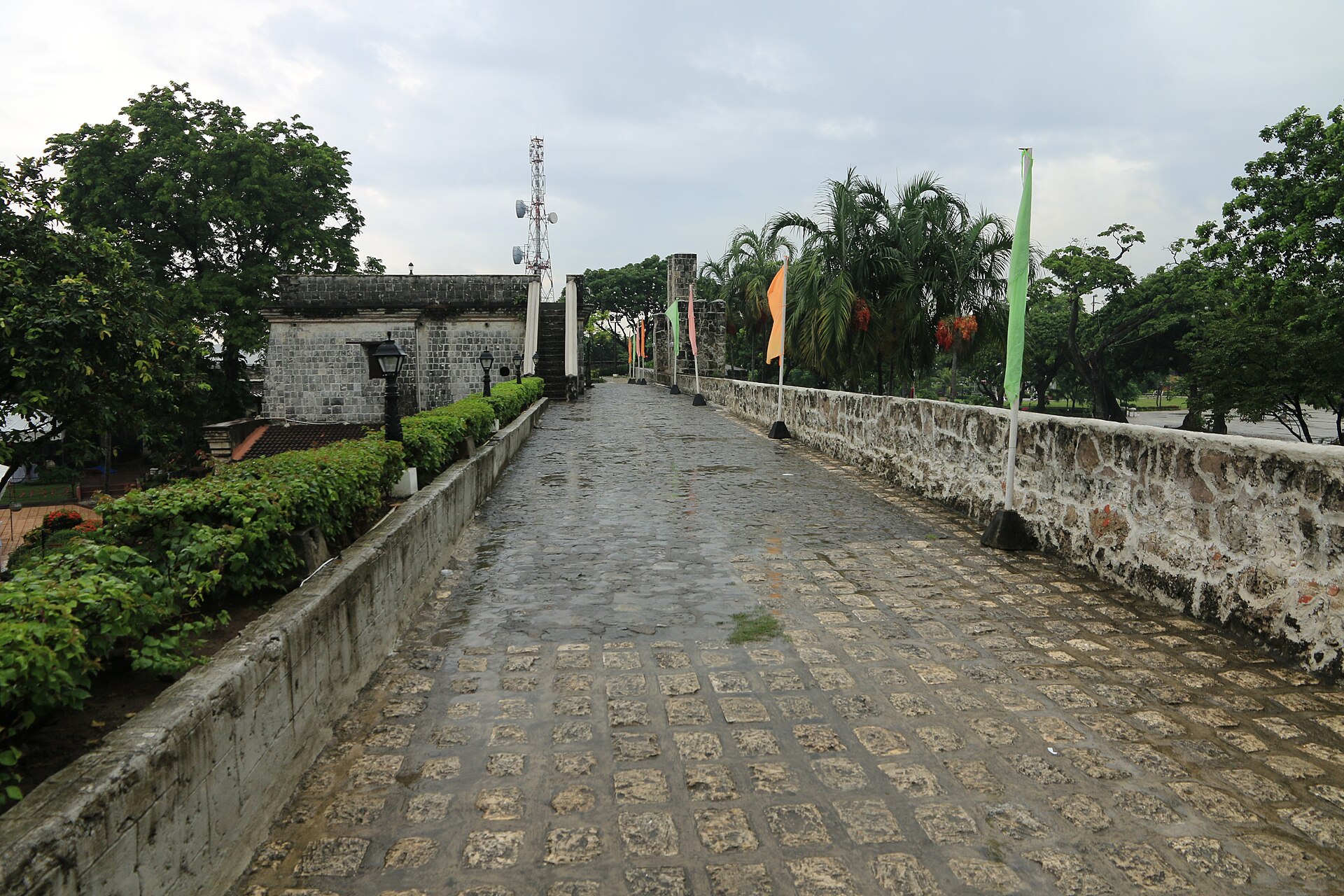
Next up is Fort San Pedro, which faithfully preserves Cebu’s deep history. First established in 1565 by the Spanish conquistador Miguel López de Legazpi and completed in the 18th century with the coral-stone walls you see today, it’s the oldest and smallest triangular fort in the Philippines. Step inside the triangular walls and you’ll find palm trees and a tropical garden, so it feels less like a fort and more like a cozy little park. The cool sea breeze and city views you encounter as you stroll slowly along the walls are charms too good to miss, either. Touring it together with the neighboring Plaza Independencia lets you feel the old-world atmosphere of Cebu even more deeply.
8. Philippines, Sirao Flower Garden
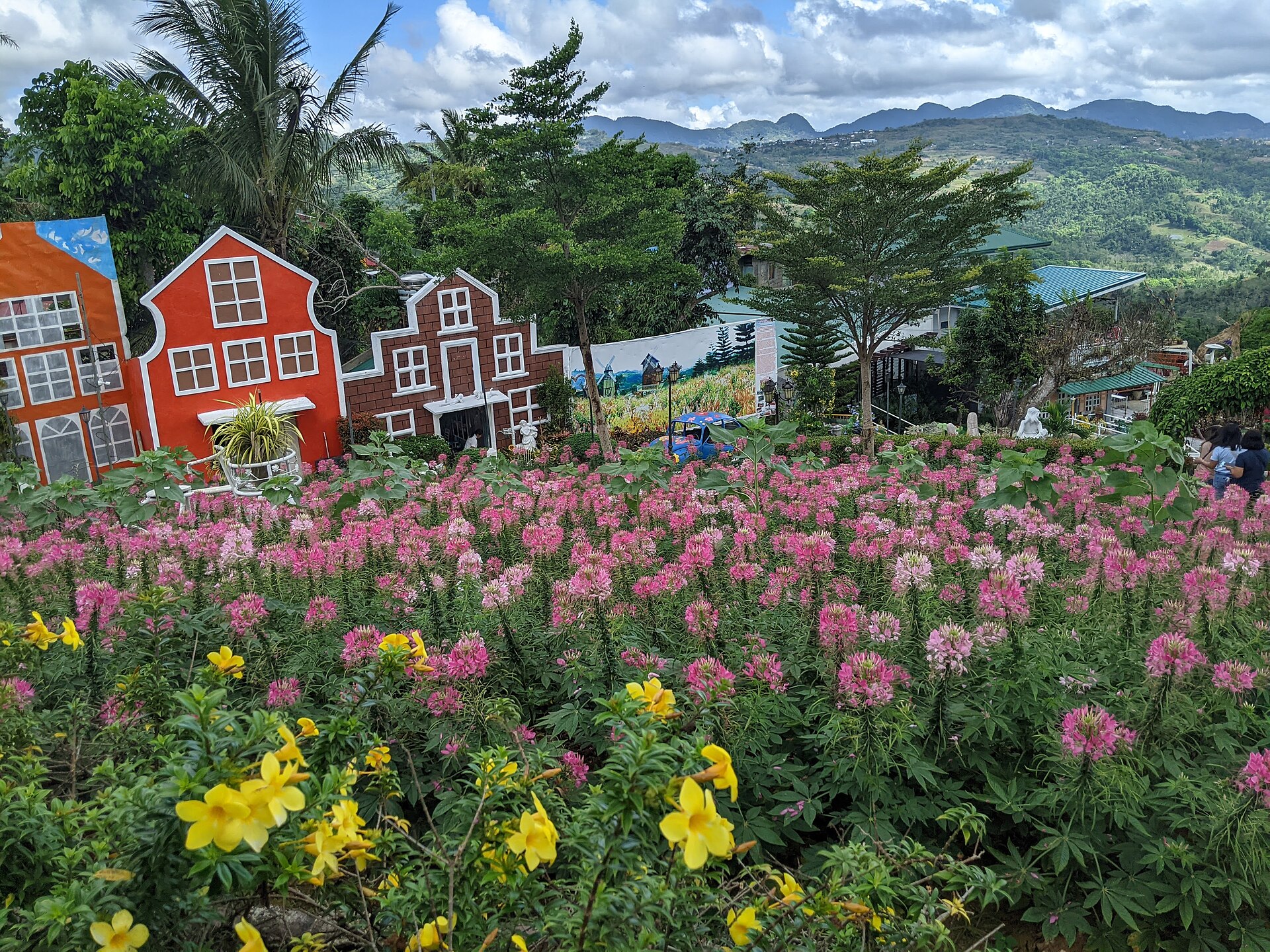
Nestled in the mountain foothills north of downtown Cebu, Sirao Flower Garden is a bright, cheerful flower garden nicknamed “Little Amsterdam.” The scenery of red celosia (cockscomb) blanketing the hills like waves is so intense that it’s widely rumored any photo you take turns out magazine-worthy no matter what you use as your backdrop. With windmills and colorful photo zones set up all around, it’s especially popular with families and couples. It also sits at a high elevation of about 600 m (2,000 ft), so the air is pleasantly cooler than in the city, which is a welcome bonus. Since the peak blooming period shifts a little from year to year, checking the flowering status before you go will make for an even more rewarding visit.
7. Philippines, Temple of Leah
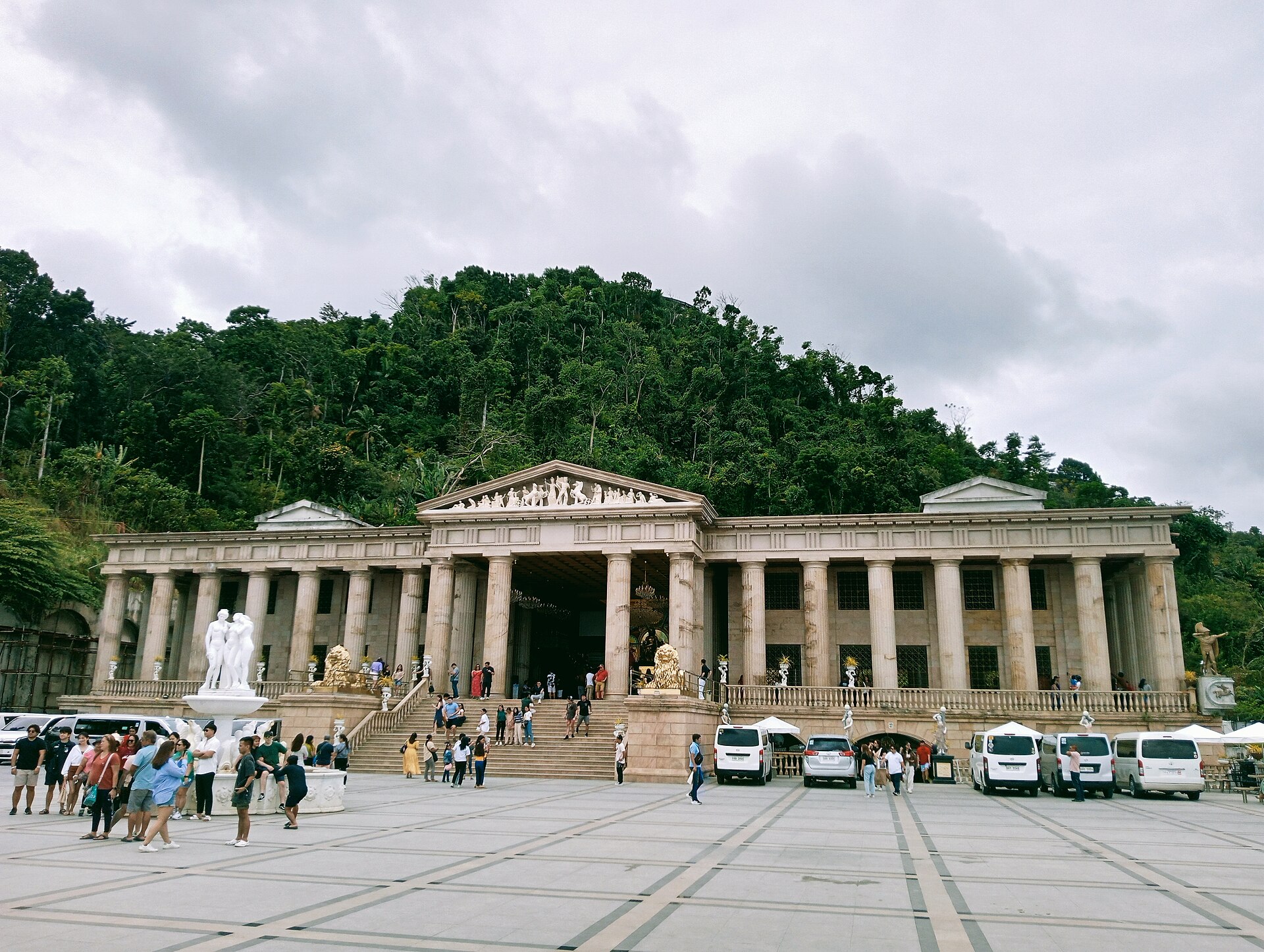
The Temple of Leah, nicknamed “the Taj Mahal of Cebu,” is a place that holds a beautiful love story. It’s a grand Roman- and Greek-style structure built in 2012 by businessman Teodorico Adarna to honor Leah, the wife with whom he shared 53 years of his life. The rows of massive columns and staircases, goddess statues, and lion carvings look so exotic, as if a European temple had been picked up and set down here. Built atop a hill, it also lets you enjoy a sweeping view of downtown Cebu when you stand on the front steps. With its grand architectural beauty and its touching backstory coming together, it’s counted among the most photogenic spots in Cebu.
6. Philippines, Basilica del Santo Niño
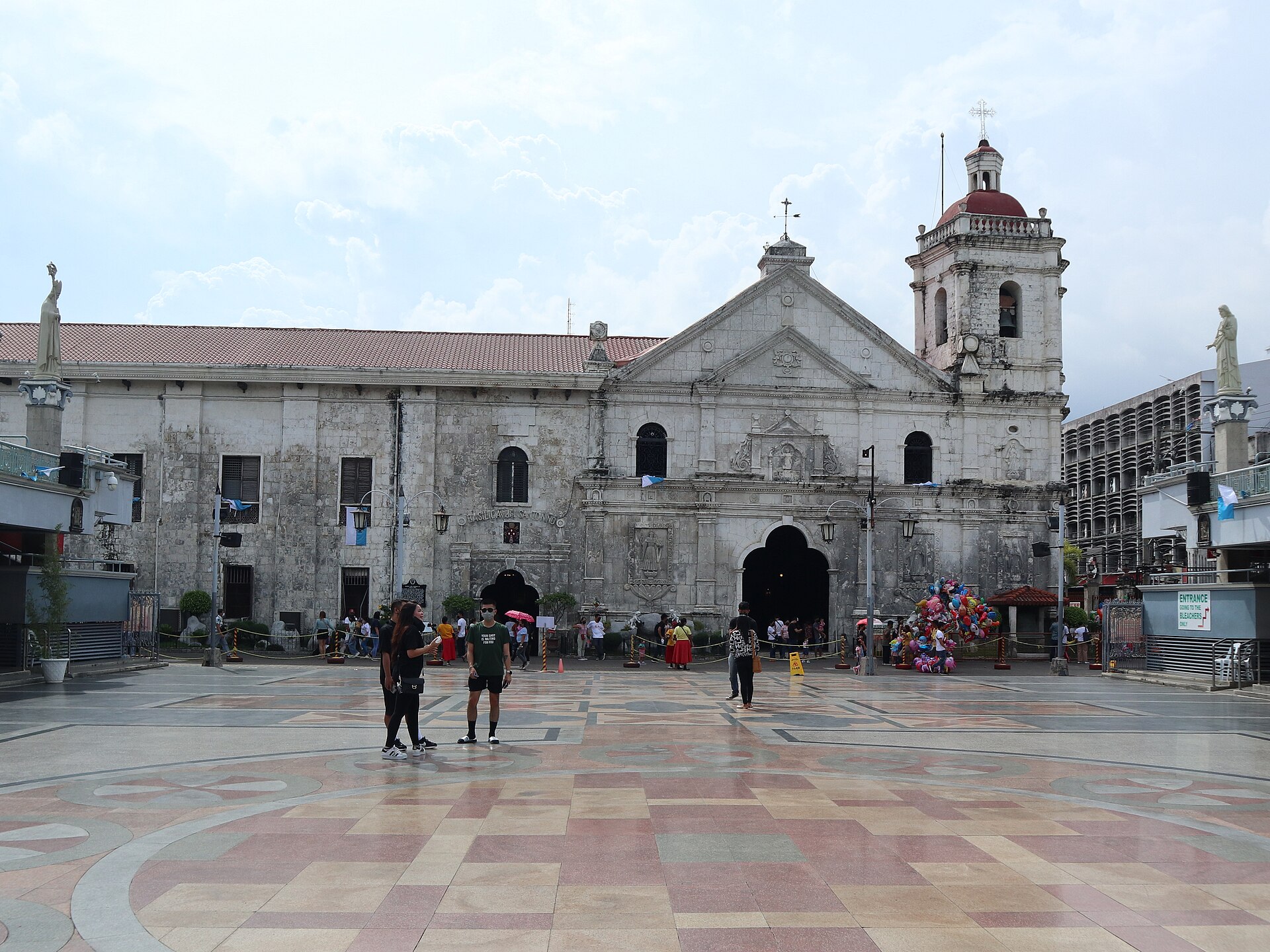
The Basilica del Santo Niño, built in 1565, is the oldest Roman Catholic church in the Philippines. It enshrines the “Santo Niño,” a statue of the infant Jesus said to have been given by Magellan to the queen of Cebu in 1521, which is why it’s regarded as a symbolic holy site of Filipino Catholic faith. Its significance runs so deep that every January, the Philippines’ largest festival, “Sinulog,” is held centered on this church, drawing millions of pilgrims. As you wander its elegant Baroque-style facade and tidy courtyard, your heart naturally grows reverent, so if you’d like to understand Cebu’s deep-rooted history and faith, I highly recommend stopping by at least once.
5. Philippines, Magellan’s Cross
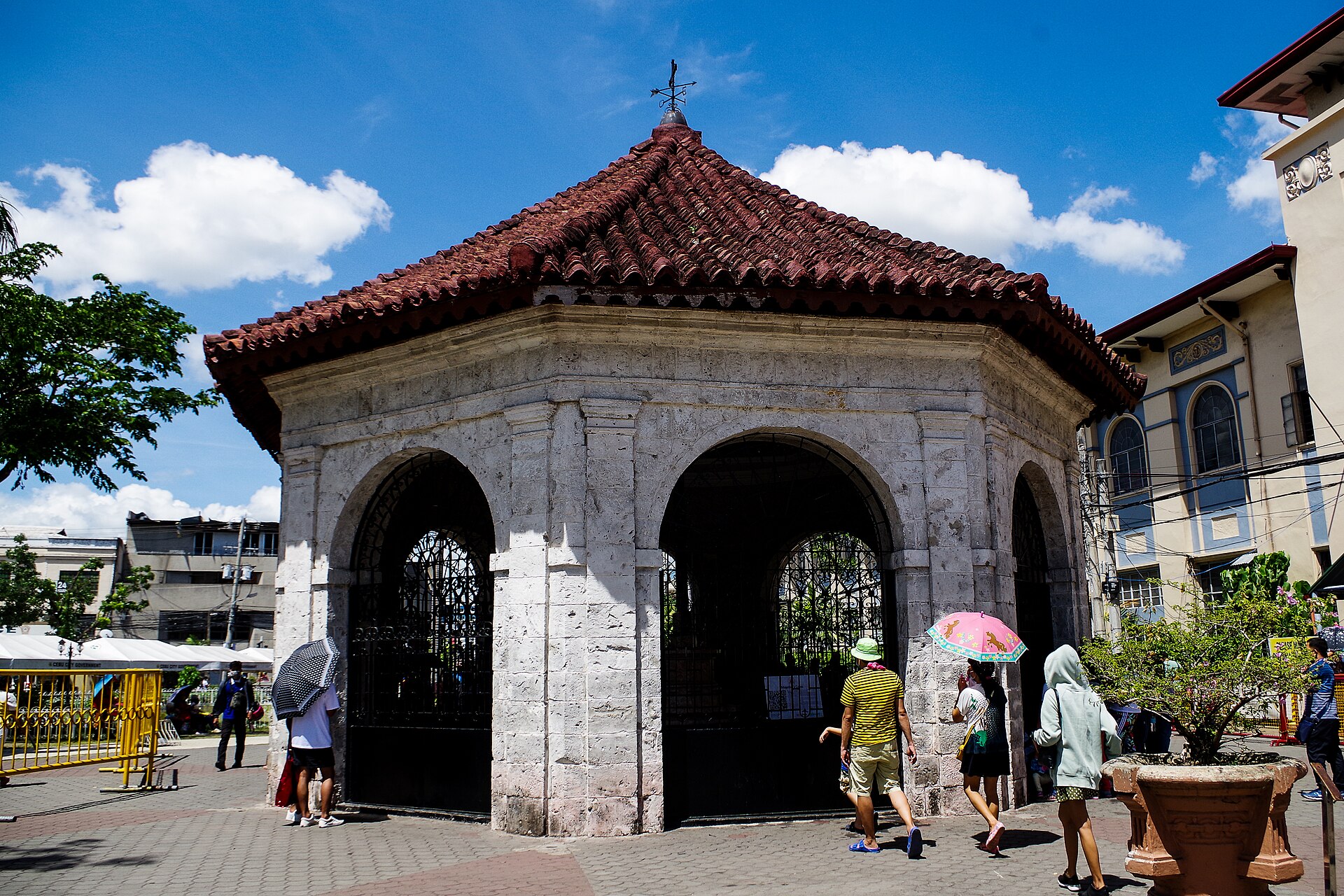
Right next to the Basilica del Santo Niño stands Magellan’s Cross, which you could call the very spot where Cebu’s history began. It’s a cross erected to commemorate the explorer Ferdinand Magellan arriving here in 1521 and baptizing Cebu’s leader Rajah Humabon and his wife along with hundreds of natives. The cross you see today is kept inside an octagonal pavilion, and the ceiling is adorned with a vivid mural depicting that historic baptism scene, which really catches the eye. It’s fascinating to hear, too, that the original is wrapped in a wooden cross to protect it. Modest in scale though it may be, it’s a symbolic place where Christianity first took root in the Philippines, so if you’re touring downtown Cebu, I hope you’ll be sure to check it out.
4. Philippines, Bantayan Island (Nearby)
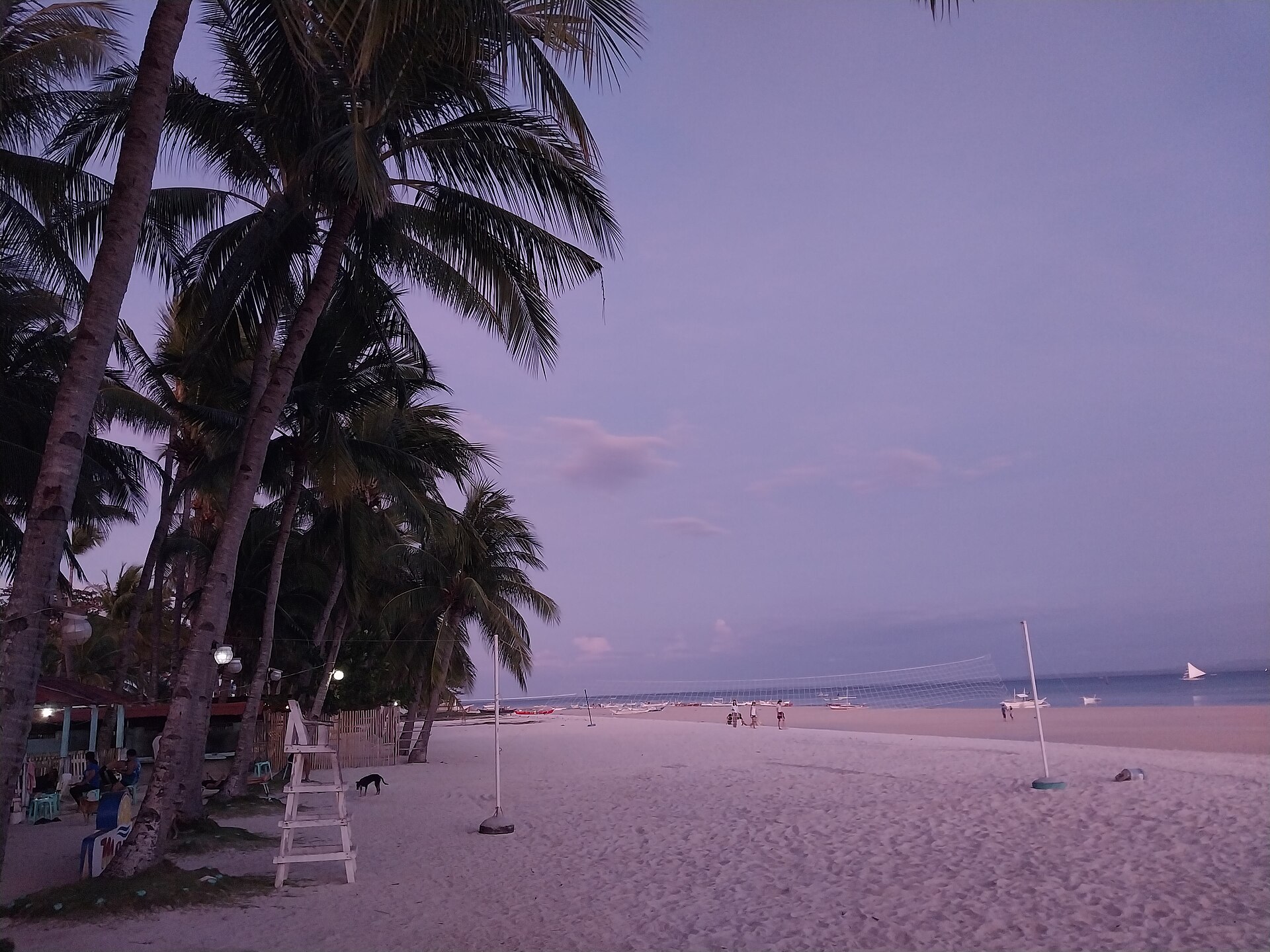
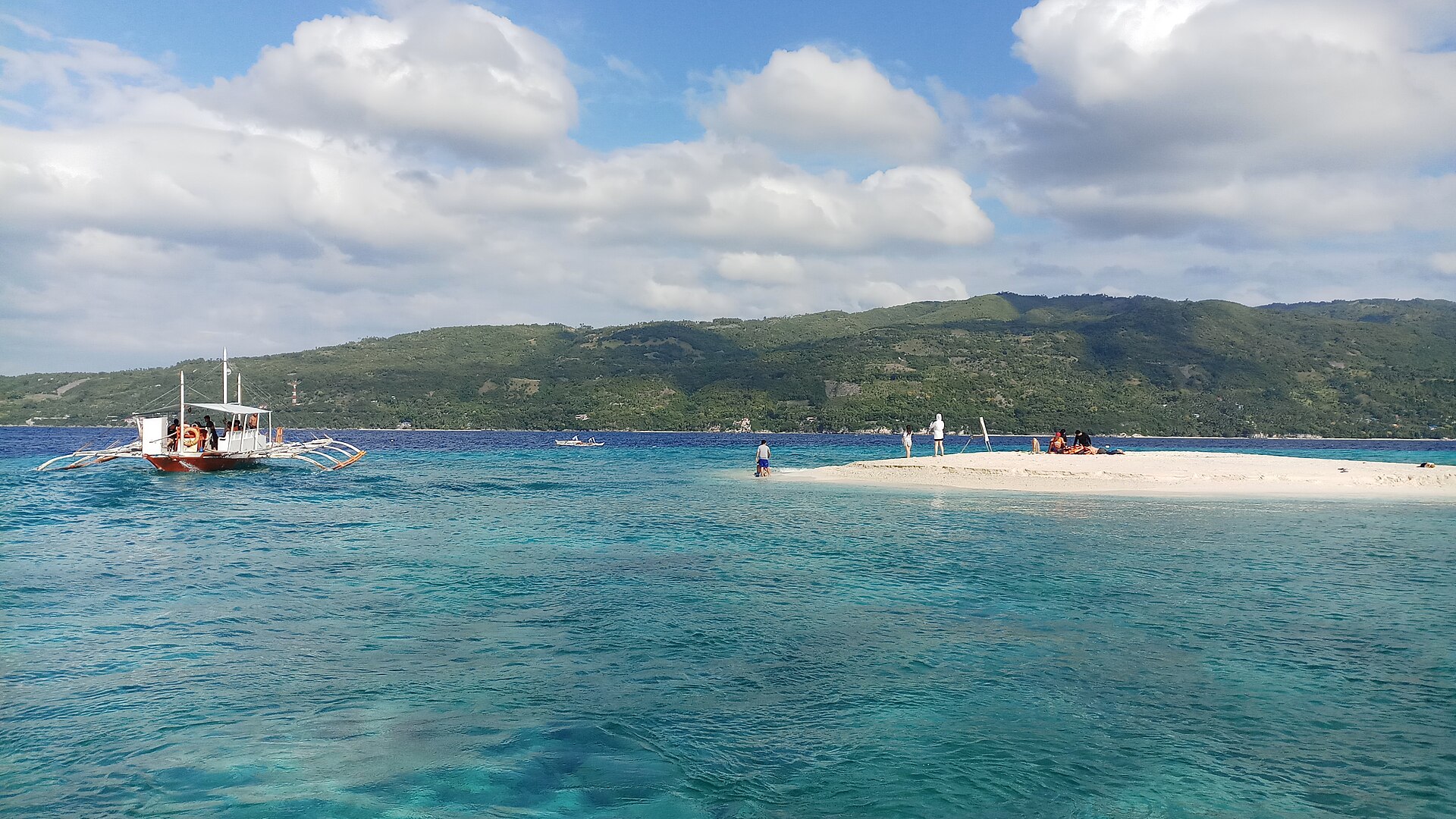
If you’re dreaming of a proper getaway, you can’t miss Bantayan Island at the northern tip of Cebu Island. It’s famous for sand as fine and white as flour and shallow water so clear you can see straight through it up to your ankles, with the beaches in the Santa Fe area regarded as the highlight. It’s a somewhat long journey, requiring a bus ride from downtown Cebu to Hagnaya Port followed by a ferry, but that’s exactly why you can enjoy the relaxed tropical ambiance with fewer crowds. Rather than flashy activities, this is a place suited to the simple joys of lying in a hammock reading a book or cycling a loop around the island. I confidently recommend it to anyone who wants to escape the crowded tourist spots and find real “rest.”
3. Philippines, Moalboal Sardine Run (Nearby)
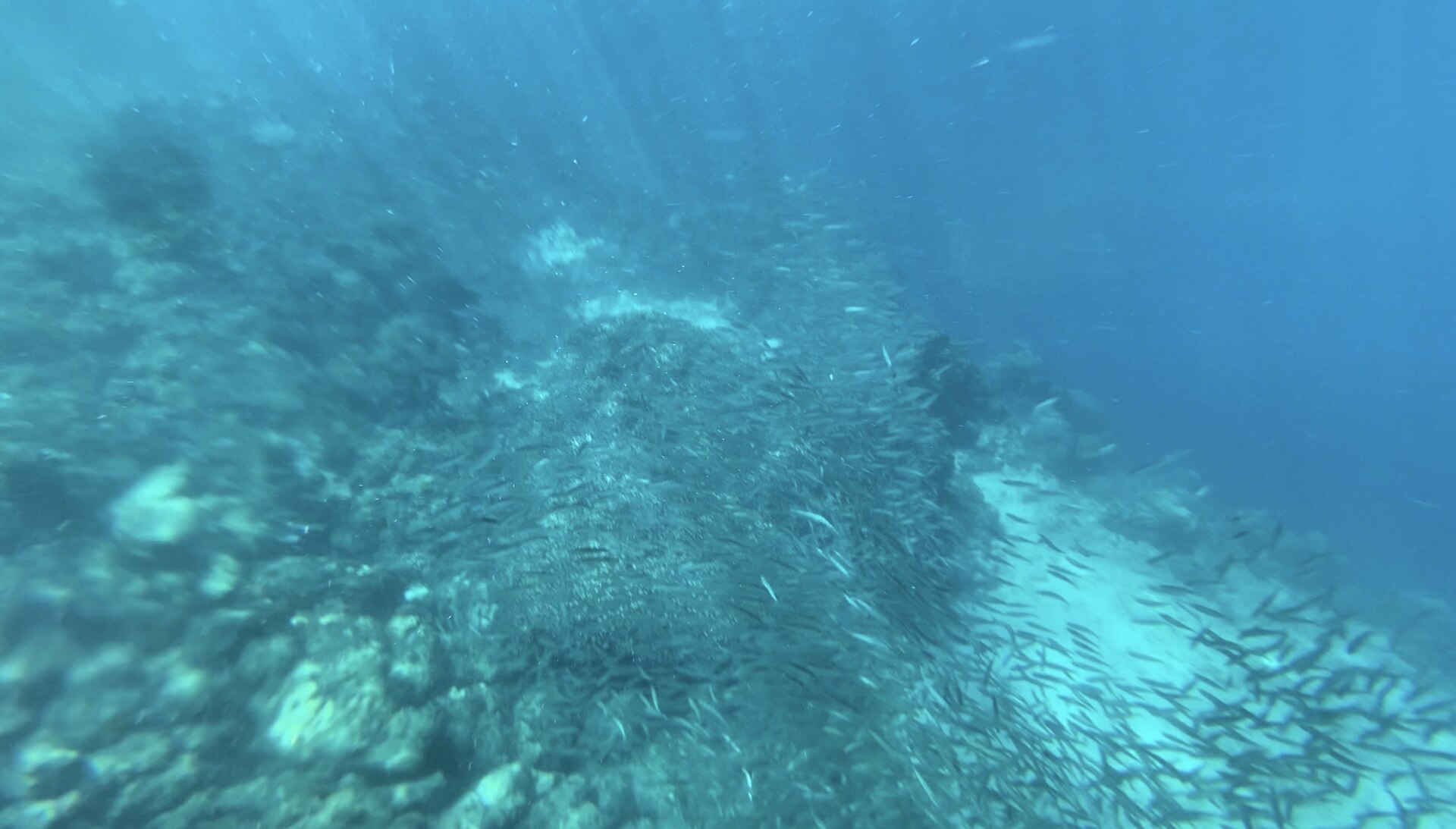
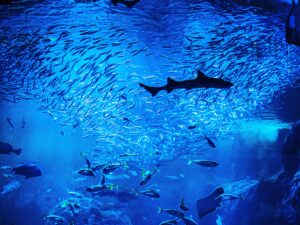
Moalboal, a small beach town in southwestern Cebu, is a mecca that divers from all over the world eagerly seek out. The biggest attraction here is, without a doubt, the “Sardine Run,” where you can witness the spectacle of millions of sardines swimming in a giant silver whirlpool all year round. What’s amazing is that you can enjoy this fantastic sight with nothing but snorkeling gear, swimming out just a few meters (about 10 to 30 ft) from the beach, without any expensive scuba equipment. If you’re lucky, you can even encounter sea turtles or vividly colored coral reefs, so if you’ve ever been curious about the underwater world, this is a bucket-list item you absolutely can’t miss. The earlier in the morning, the clearer the water and the fewer the people, making it perfect for admiring the sardine school, so I recommend getting an early, diligent start.
2. Philippines, Kawasan Falls (Nearby)
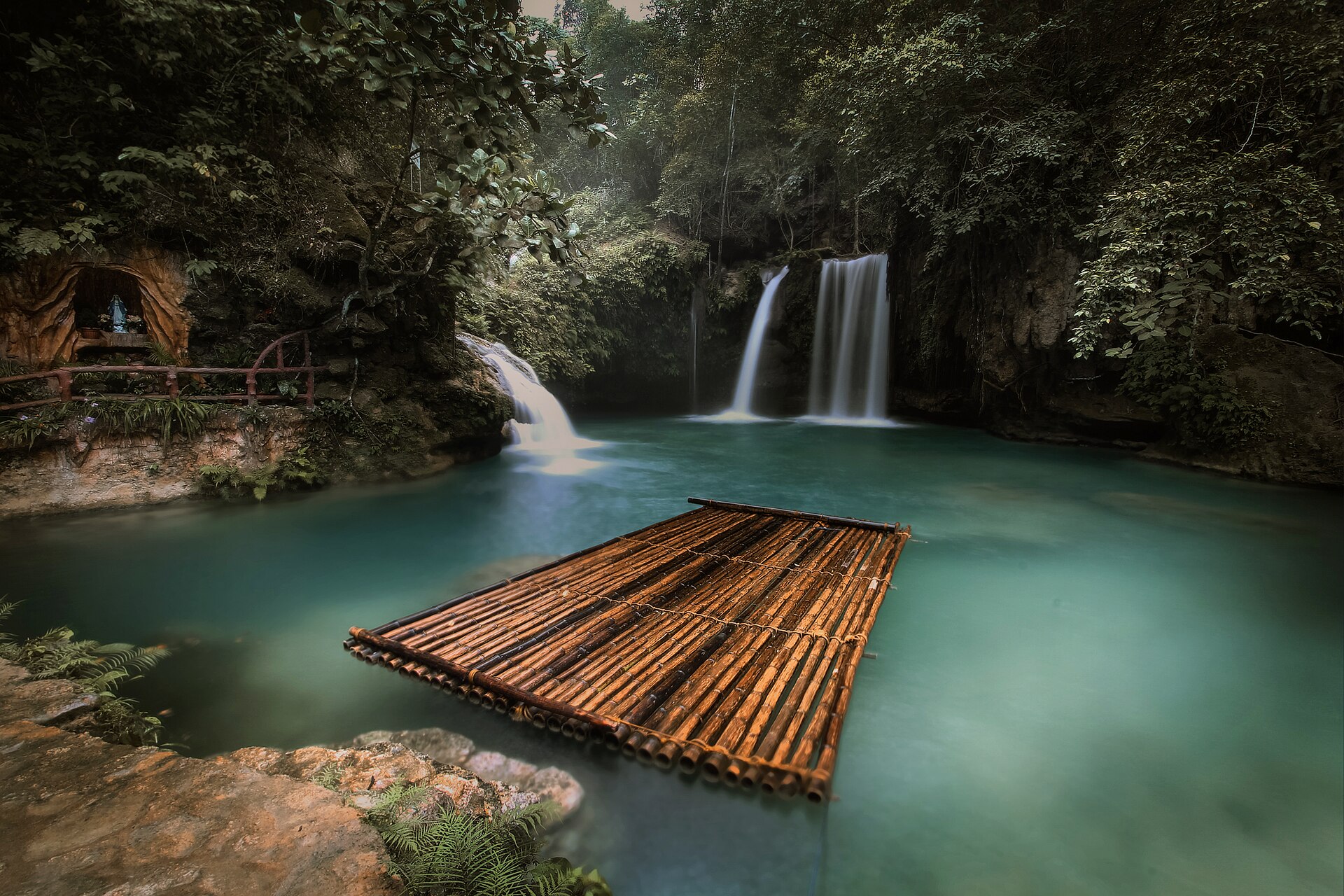
Kawasan Falls, which has captured travelers’ hearts with a single photo, is a three-tiered waterfall located in Badian, southern Cebu. As the water passes through the limestone terrain, dissolved minerals give it a turquoise hue so radiant it seems unreal, and seeing it in person draws an involuntary gasp at the paint-like color. Beyond simply admiring the falls, this place is also famous as a mecca for “canyoneering,” the activity of jumping and swimming your way down along the ravine. The thrill of diving into the cool water is more than enough to become the highlight of a Cebu trip in the hot summer. That said, there are sections with a current, so don’t forget to gear up with safety equipment and always go with a guide.
1. Philippines, Oslob Whale Shark Tour (Nearby)
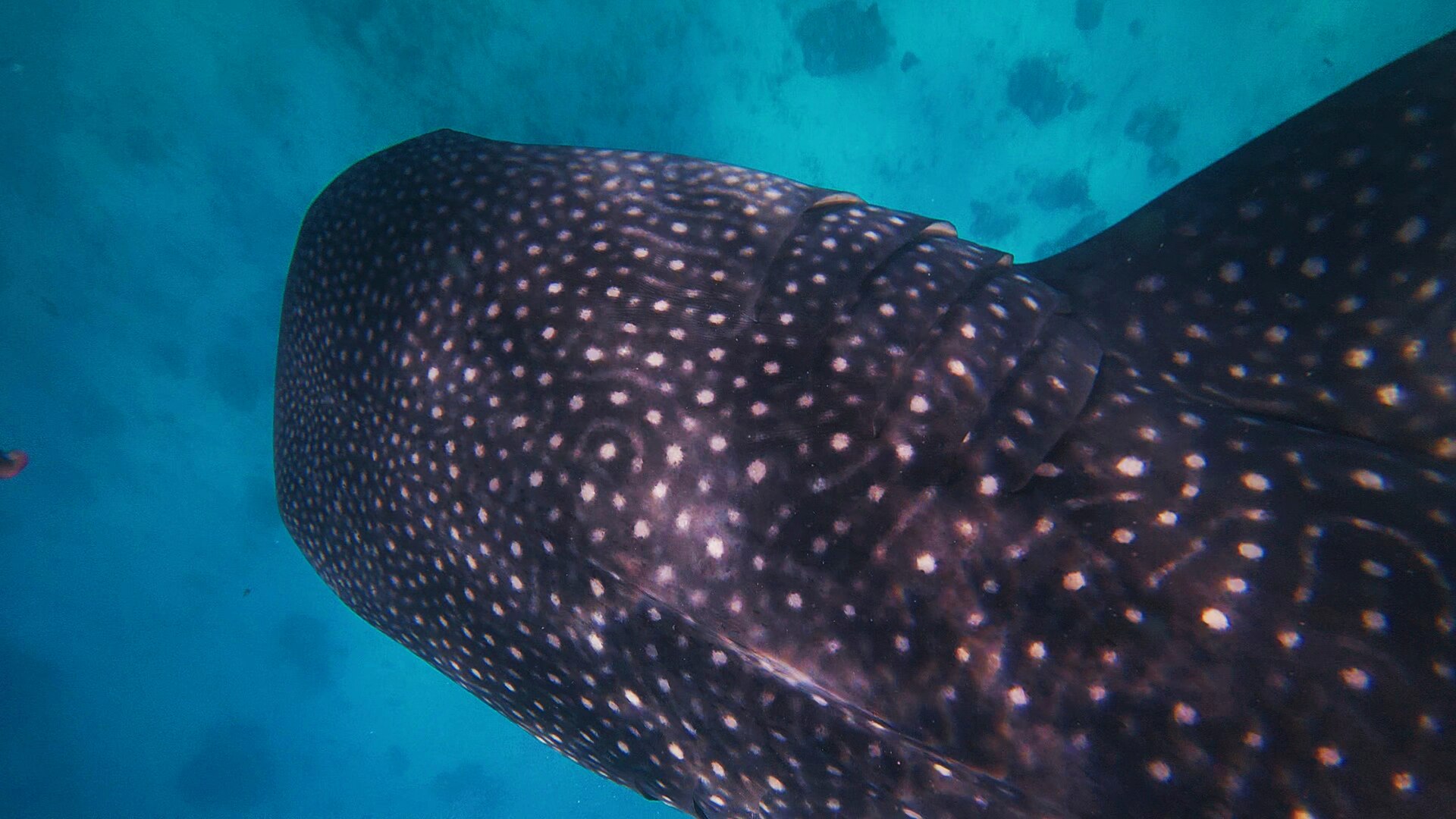
The glorious number one is an unforgettable experience that represents Cebu: the whale shark tour in Oslob. Oslob, a small town at the southern tip of Cebu, is one of the world’s most renowned places where you can meet the whale shark, the largest fish in the sea, up close all year round. The sense of awe in the moment you swim side by side with a giant whale shark measuring several meters (up to ~40 ft) long delivers an emotion you couldn’t trade for anything. That said, there are voices of concern about the ecosystem regarding the practice of feeding them for tourism, so please be sure to follow the rules, such as keeping the set distance and not touching them. Touring nearby Tumalog Falls along with it makes a trip through southern Cebu even more fulfilling. Because you can encounter the overwhelming wonder of nature here, I’ve proudly named it number one.
So there you have it, we’ve gone through the Top 10 must-visit attractions on a Cebu trip together. What did you think? From the crystal-clear sea and refreshing waterfalls to the old churches and vibrant flower gardens, I really feel that Cebu is an island brimming with fresh charm day after day. I hope this article can serve as a little compass for your Cebu travel plans. I’ll be back next time with even more useful travel information. See you next time. Have a safe and wonderful trip!