Top 10 Must-Visit Attractions in Fukuoka, Japan
Best Attractions in Fukuoka
Looking for the best attractions in Fukuoka, you’ll quickly realize it’s a wonderfully rich and friendly destination, even if it isn’t as huge or flashy as Tokyo or Osaka. Just over an hour by plane from Korea, it packs the sea, mountains, hot springs and amazing food into one compact city, so even a short trip never disappoints. I still vividly remember the sheer satisfaction of slurping down a bowl of ramen at a riverside food stall by the Naka River on my very first night in Hakata. So today, following my Tokyo, Osaka and Kyoto guides, here are the 10 attractions in Fukuoka I recommend with full confidence, ranked in order. Let’s begin!
No. 10. Fukuoka Tower
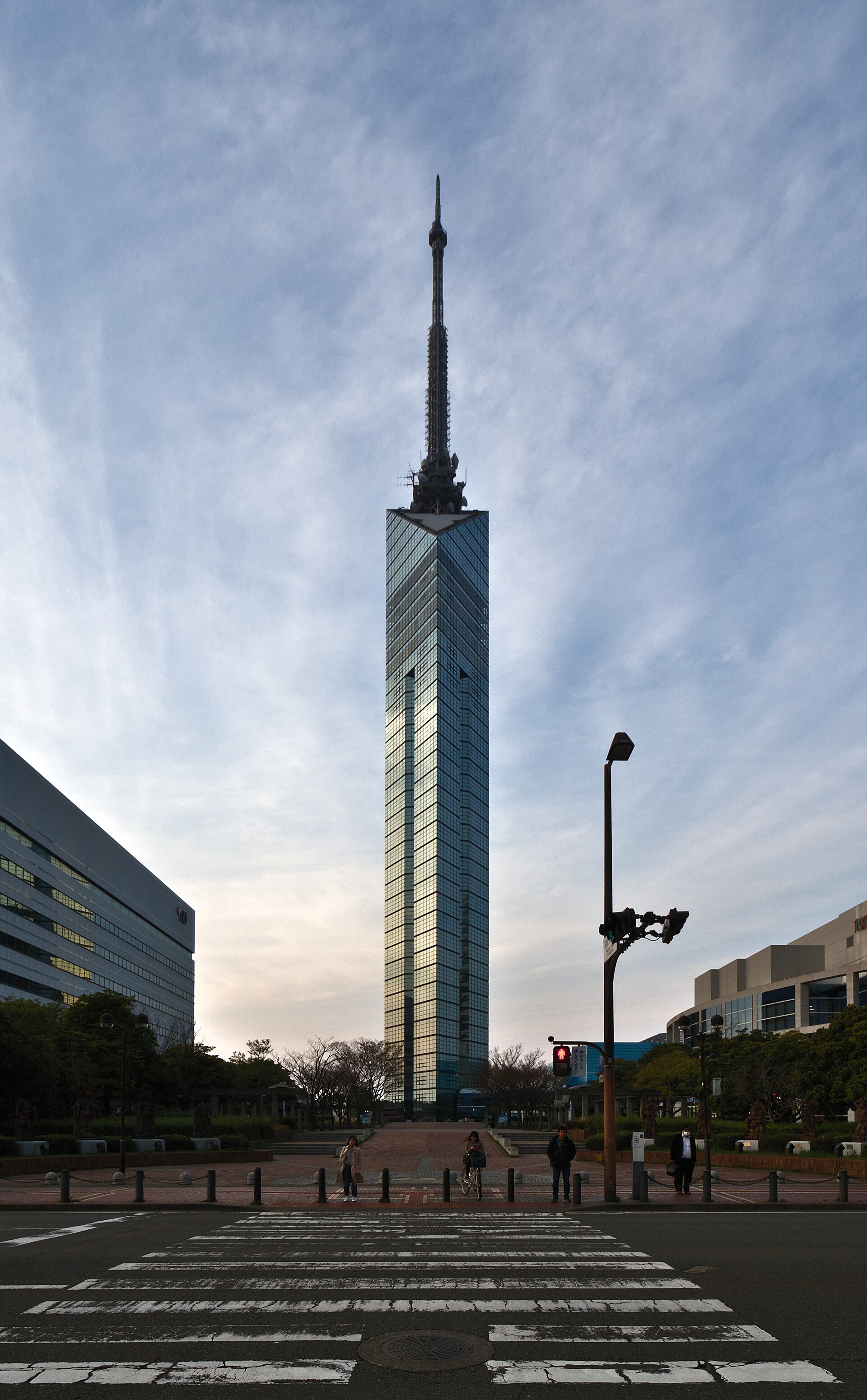
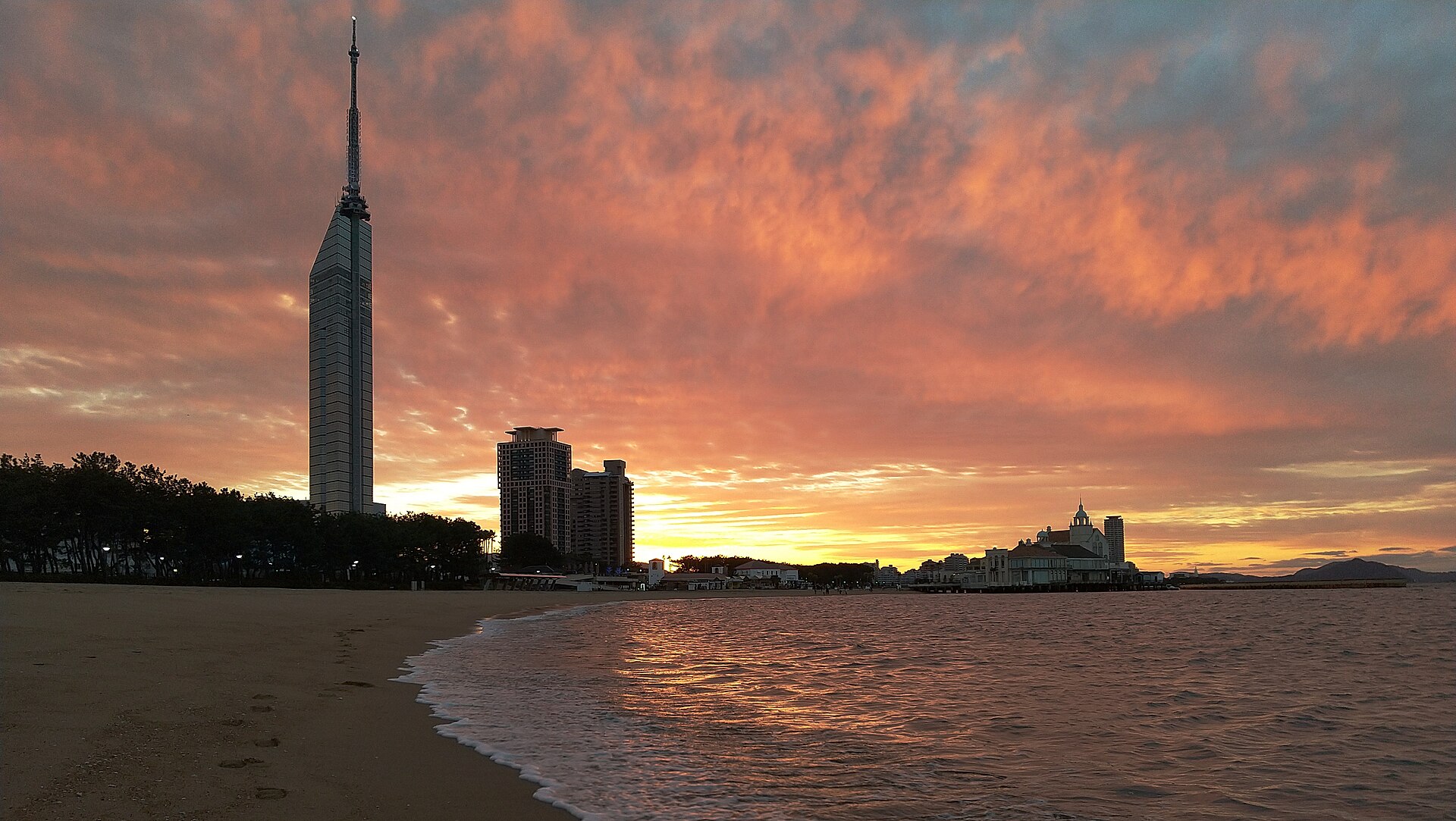
First up is Fukuoka’s signature landmark, Fukuoka Tower. Completed in 1989 and standing 234 m (768 ft) tall, it is the tallest seaside tower in Japan. Its triangular cross-section is clad in a staggering 8,000 half-mirrors, so it reflects the sky by day and the city lights by night, changing its face by the hour. Climb to the observation deck at 123 m (404 ft) and you’ll get a 360-degree panorama of Hakata Bay and the city — the sunset view is especially prized, making it a favorite date spot for couples. Sitting right beside Momochi Seaside Park, it’s easy to pair with a stroll along the water.
No. 9. Canal City Hakata
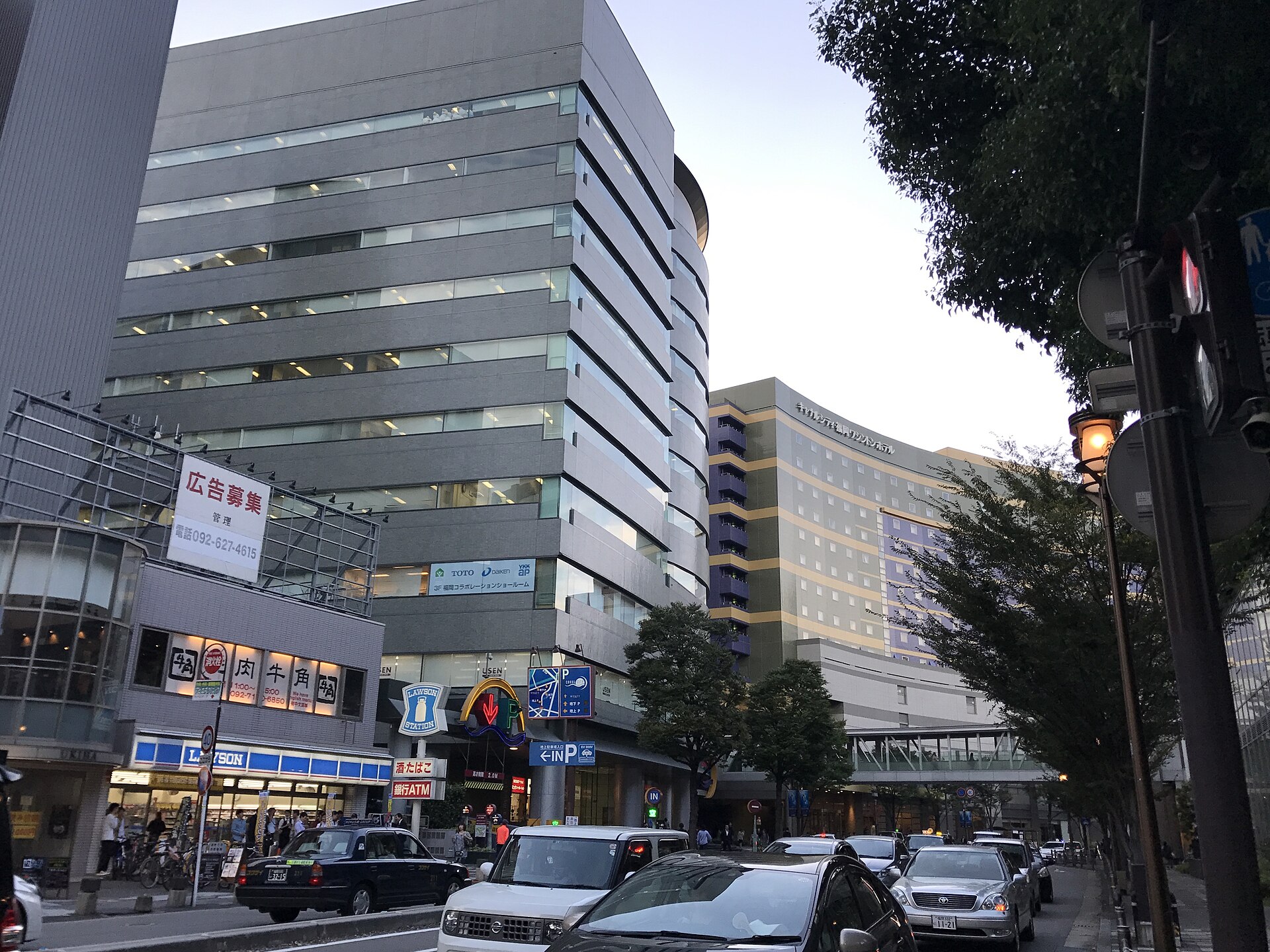
On a rainy day or when you want to escape the summer heat, Canal City Hakata is the perfect refuge. Opened in 1996, this huge complex is true to its name, with an artificial canal flowing right between its buildings. In the plaza where the curved buildings wrap around the water, a fountain show set to music dances every 30 minutes, delighting the eyes. Inside you’ll find “Ramen Stadium,” which gathers popular ramen shops from across Kyushu in one place, so you can compare regional bowls in a single meal. Located right between Hakata Station and Tenjin, it’s wonderfully easy to reach.
No. 8. Marine World Uminonakamichi
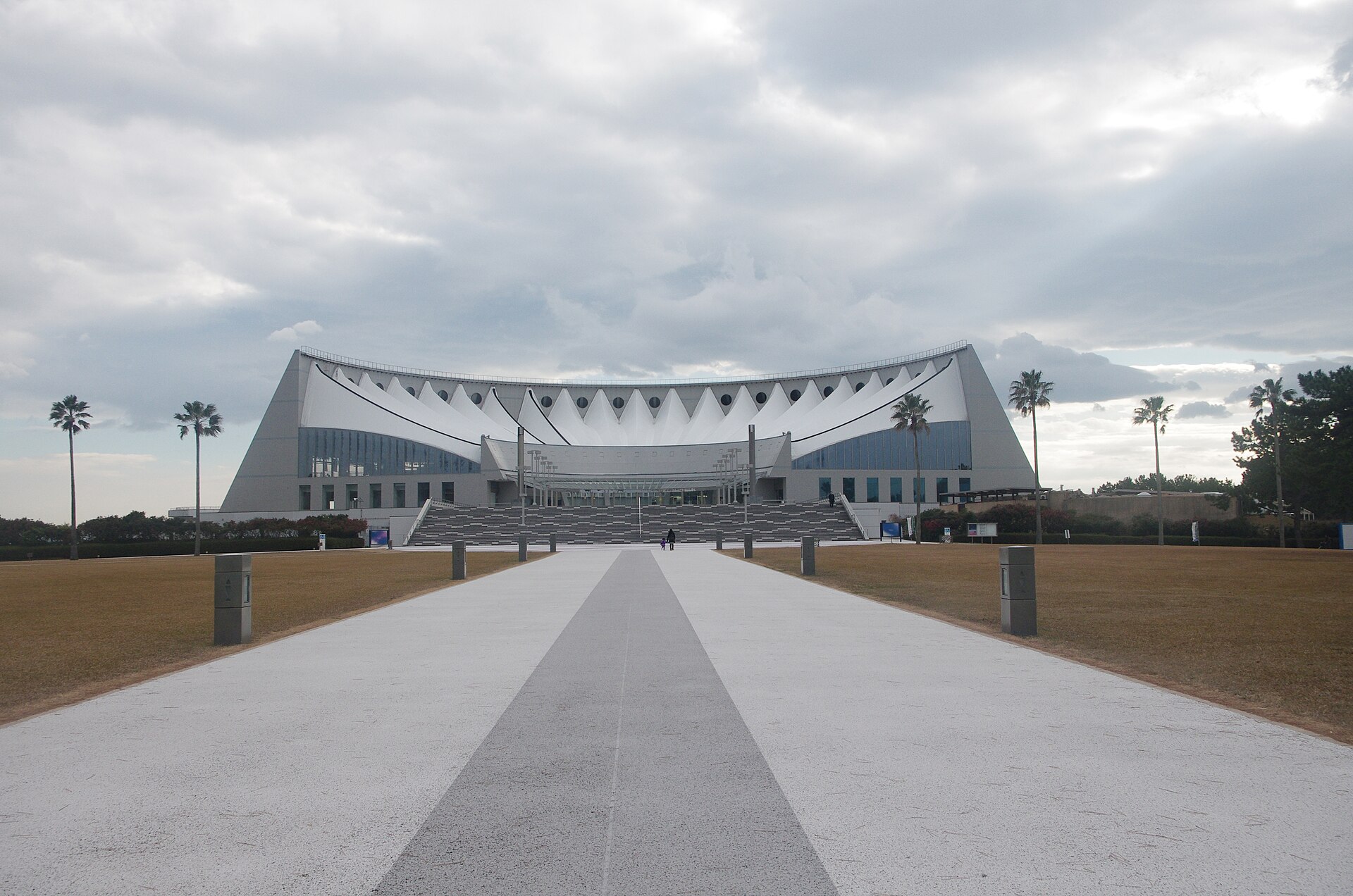
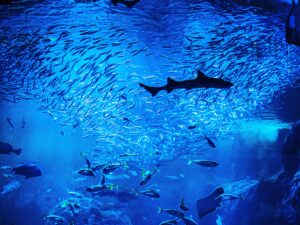
If you’re traveling with kids, Marine World Uminonakamichi is not to be missed. Opened in 1989 and renewed in 2017, this aquarium showcases around 450 species and 30,000 marine creatures under the theme of “the seas of Kyushu.” The huge tank recreating the waters off Kyushu, where sharks glide serenely by, is a real showstopper. The lively dolphin and sea lion shows are another highlight you won’t want to skip. Pair it with the adjacent Uminonakamichi Seaside Park for a full day out, and the journey itself — crossing the water by boat from Hakata Port — adds a touch of romance to the trip.
No. 7. Tochoji (Fukuoka Great Buddha)
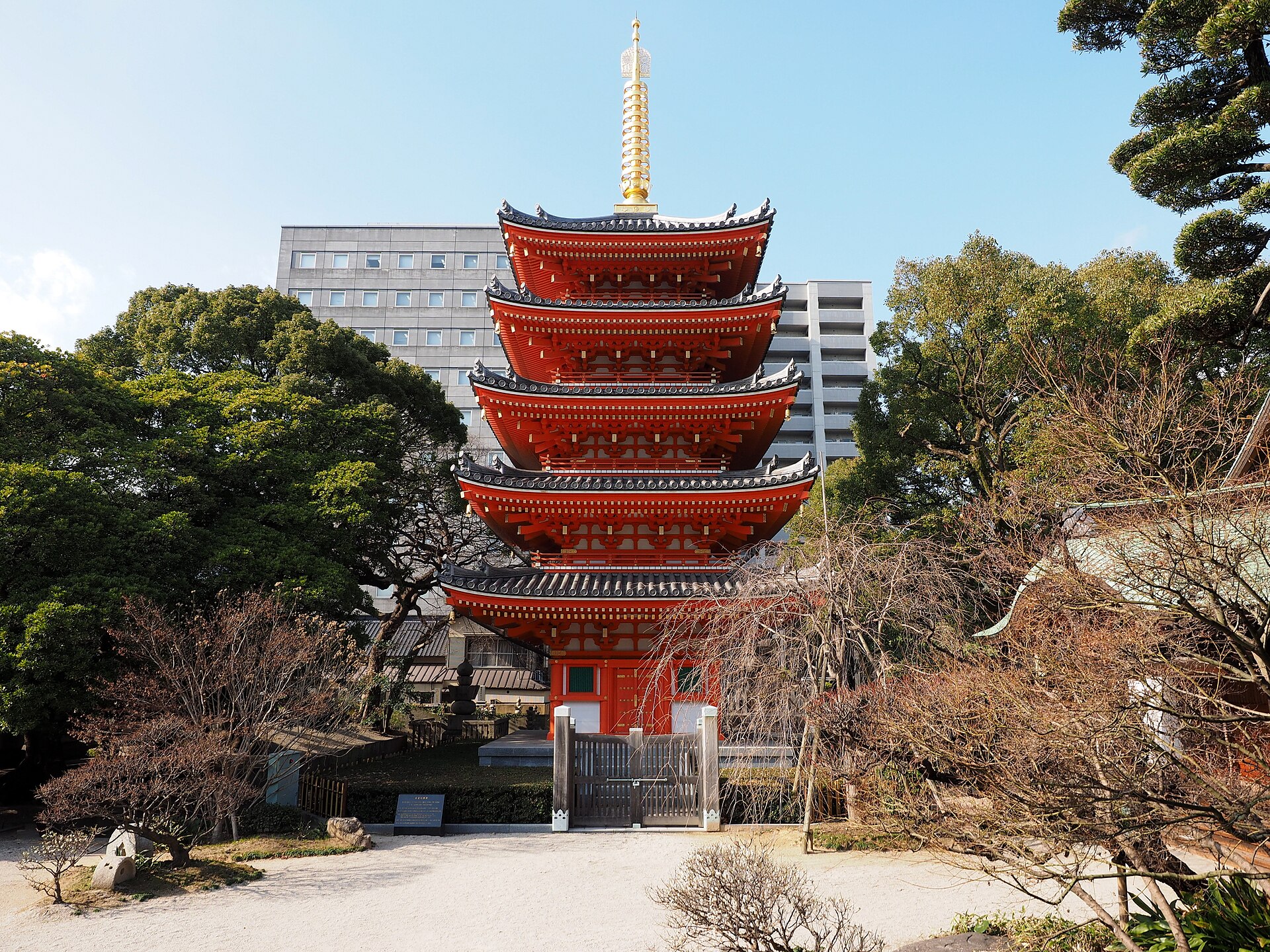
Step out of Gion subway station and you’re greeted at once by a striking red five-story pagoda — this is Tochoji, founded in 806 by the revered monk Kukai. It’s counted as the oldest temple not just in Fukuoka but in all of Kyushu. The real star here is the “Fukuoka Great Buddha” enshrined in the main hall. At about 10.8 m (35 ft) tall and weighing 30 tons, this seated wooden Buddha, completed in 1992, is the largest wooden seated Buddha in Japan. The wall behind it is packed with some 5,000 small Buddha statues, a genuinely humbling sight. The “pilgrimage of hell and paradise” passage beneath the statue offers a memorably unusual experience, too.
No. 6. Kushida Shrine
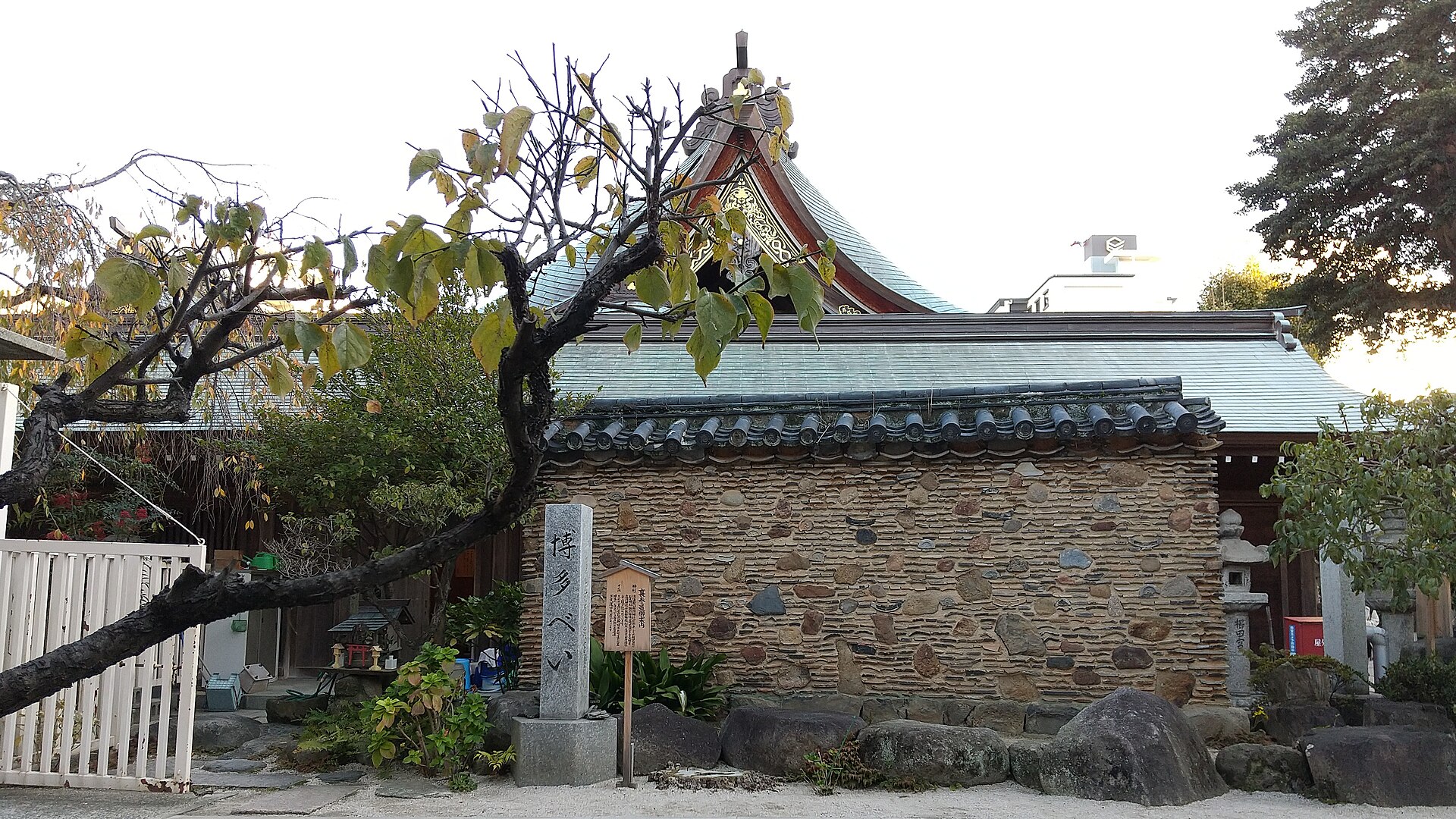
Affectionately called “O-Kushida-san” by the people of Hakata, Kushida Shrine was founded in 757 as Hakata’s chief guardian shrine. As a place to pray for good health, long life and prosperity, it draws a steady stream of worshippers year-round. Above all, it is the heart of the summer festival “Hakata Gion Yamakasa,” a tradition spanning more than 700 years. That’s why a gorgeous decorative float called a “kazariyama,” taller than a person, stands on display in the grounds all year long, so you can admire its grandeur even outside festival season. It sits right next to Canal City Hakata, making the two easy to combine on foot.
No. 5. Tenjin
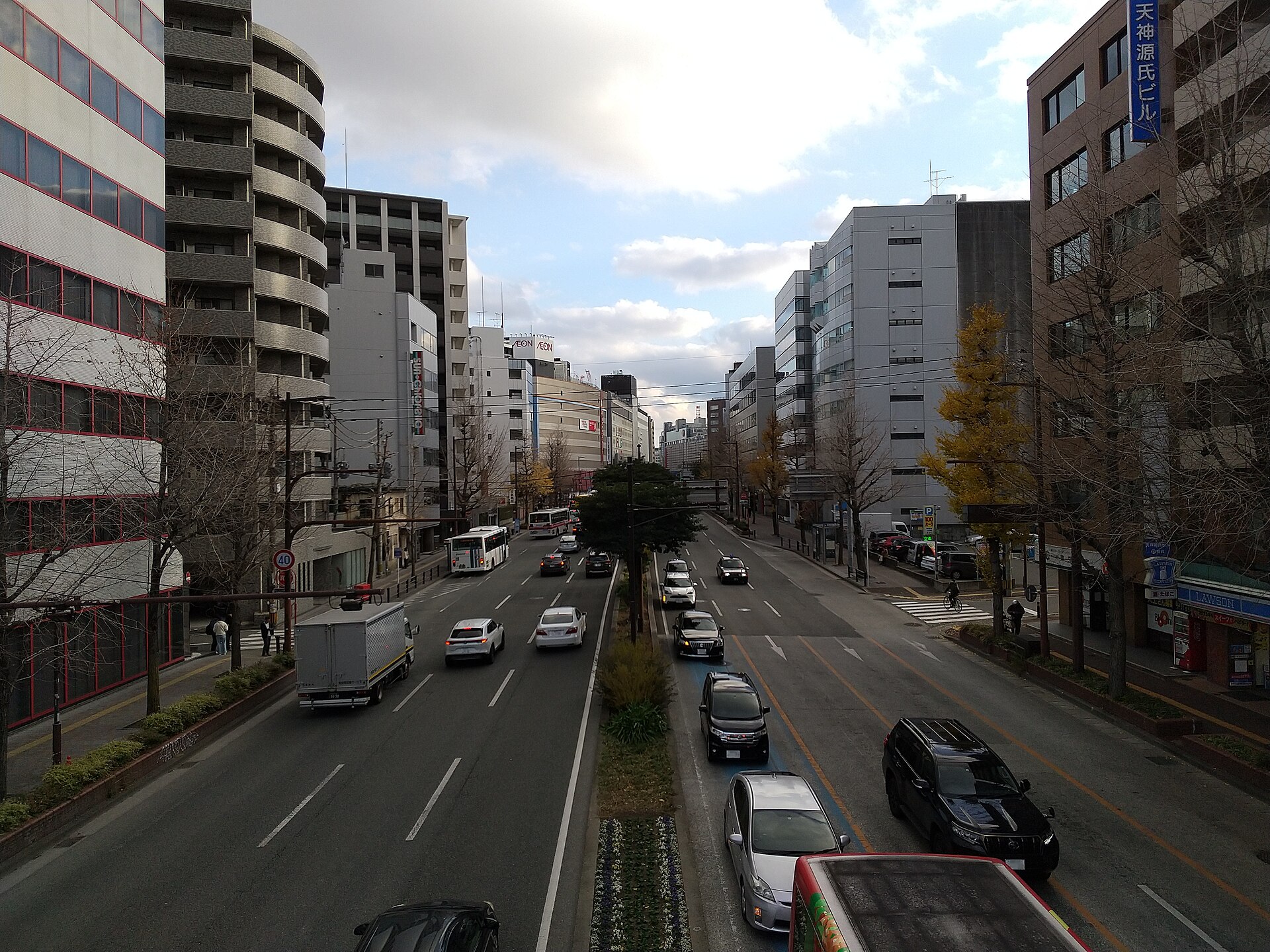
If you want to shop and eat to your heart’s content, head to Tenjin, Fukuoka’s largest downtown district. Department stores, fashion buildings, variety shops and restaurants are packed so tightly together that you could walk all day without getting bored. Underground, the “Tenjin Chikagai” — one of the largest underground shopping arcades in Asia, modeled on an old European street — stretches for about 590 m (1,935 ft), so you can shop in comfort even on rainy days or in the heat of summer and depths of winter. Strolling its stone-paved corridors under antique lamps, you’ll feel as if you’ve wandered into a European alley. Come evening, the route flows perfectly on toward the Nakasu food stalls nearby.
No. 4. Ohori Park (Fukuoka Castle Ruins)
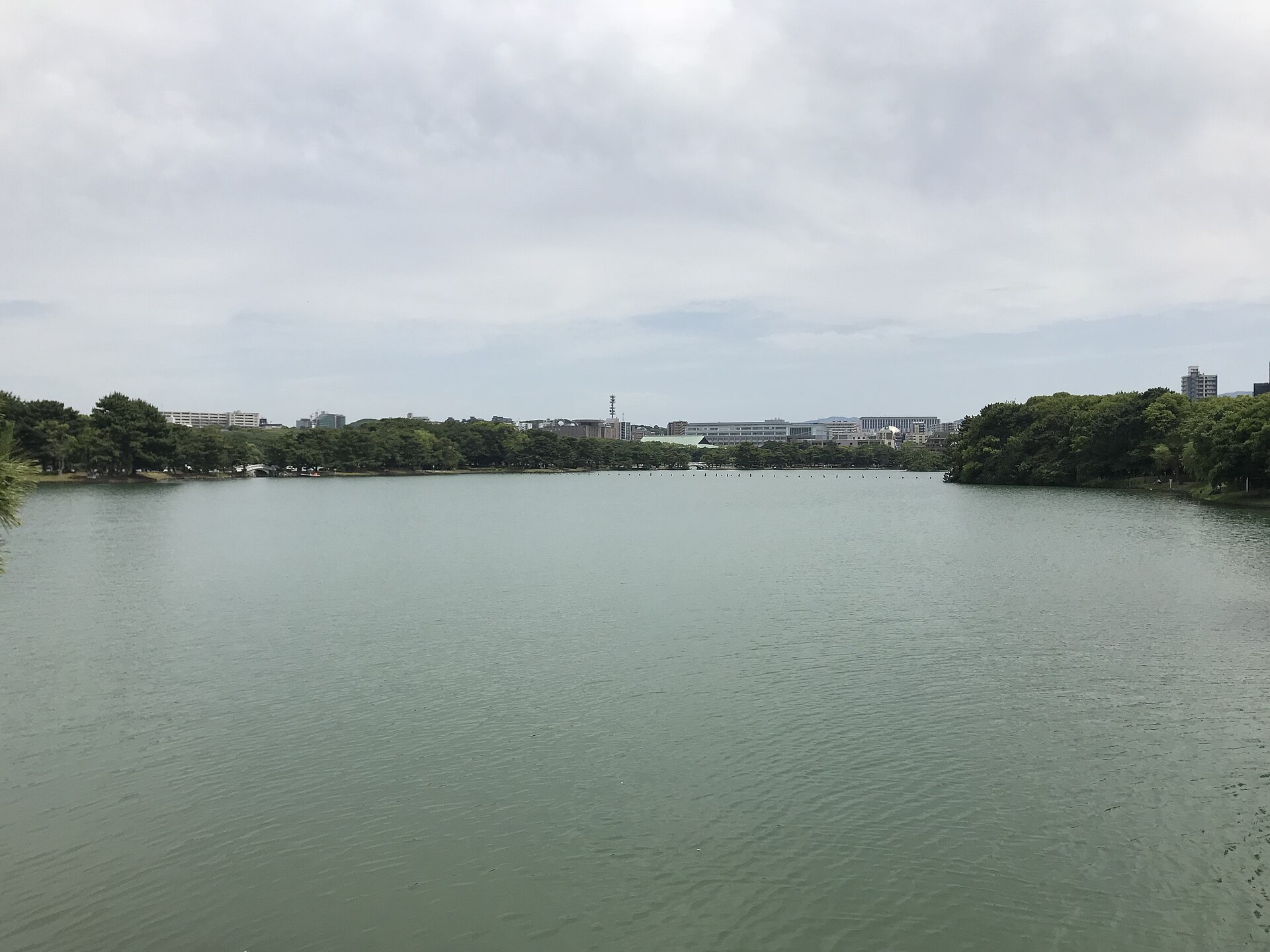
When you need a breather in the middle of the city, there’s no place like Ohori Park. Opened in 1929, this park was designed after West Lake in Hangzhou, China. Bridges hop from island to island across a broad pond, so a walk here feels wonderfully serene, as if gliding over the water. This pond is in fact the old moat of Fukuoka Castle. In the adjoining Maizuru Park stand the ruins of Fukuoka Castle, which lord Kuroda Nagamasa began building in 1601 and completed in 1607 — said to have been the largest castle in Kyushu. Come spring, the whole castle area is blanketed in cherry blossoms, transforming into Fukuoka’s finest hanami spot.
No. 3. Nokonoshima Island Park
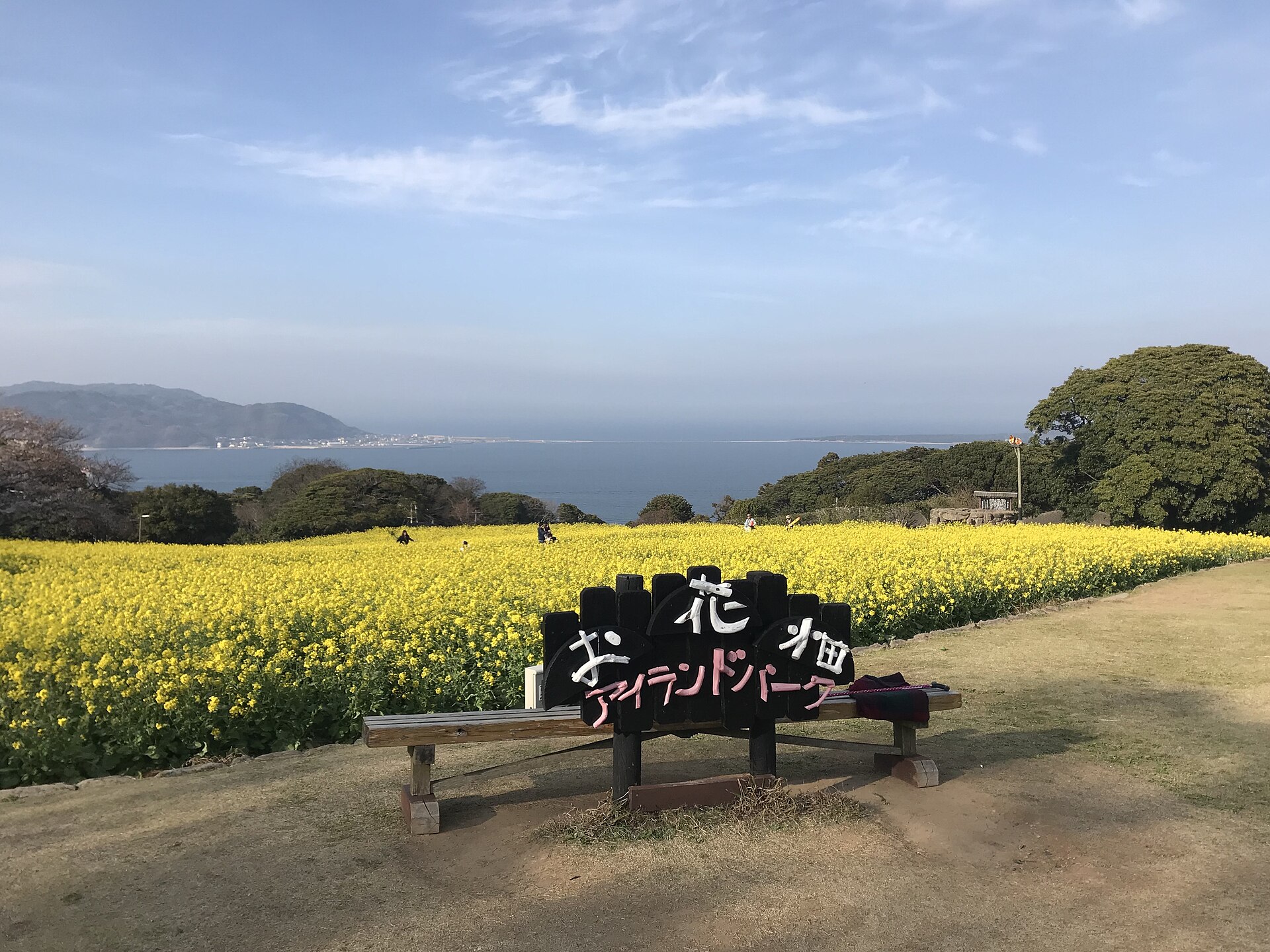
For a photo of flowers meeting the sea, I highly recommend Nokonoshima Island Park. Nokonoshima, a small island floating in Hakata Bay, is just a 10-minute ferry ride from the city. On the flower fields covering the island’s northern hill, a different bloom takes the stage in every season. Spring brings yellow rapeseed flowers and tulips, summer sunflowers and hydrangeas, and autumn cosmos and crimson salvia coloring the slopes. Endless flower fields set against the blue sea make every angle look like a postcard. To step out of the city’s forest of buildings and heal amid nature, there’s simply no better spot.
No. 2. Nakasu Food Stalls (Yatai)
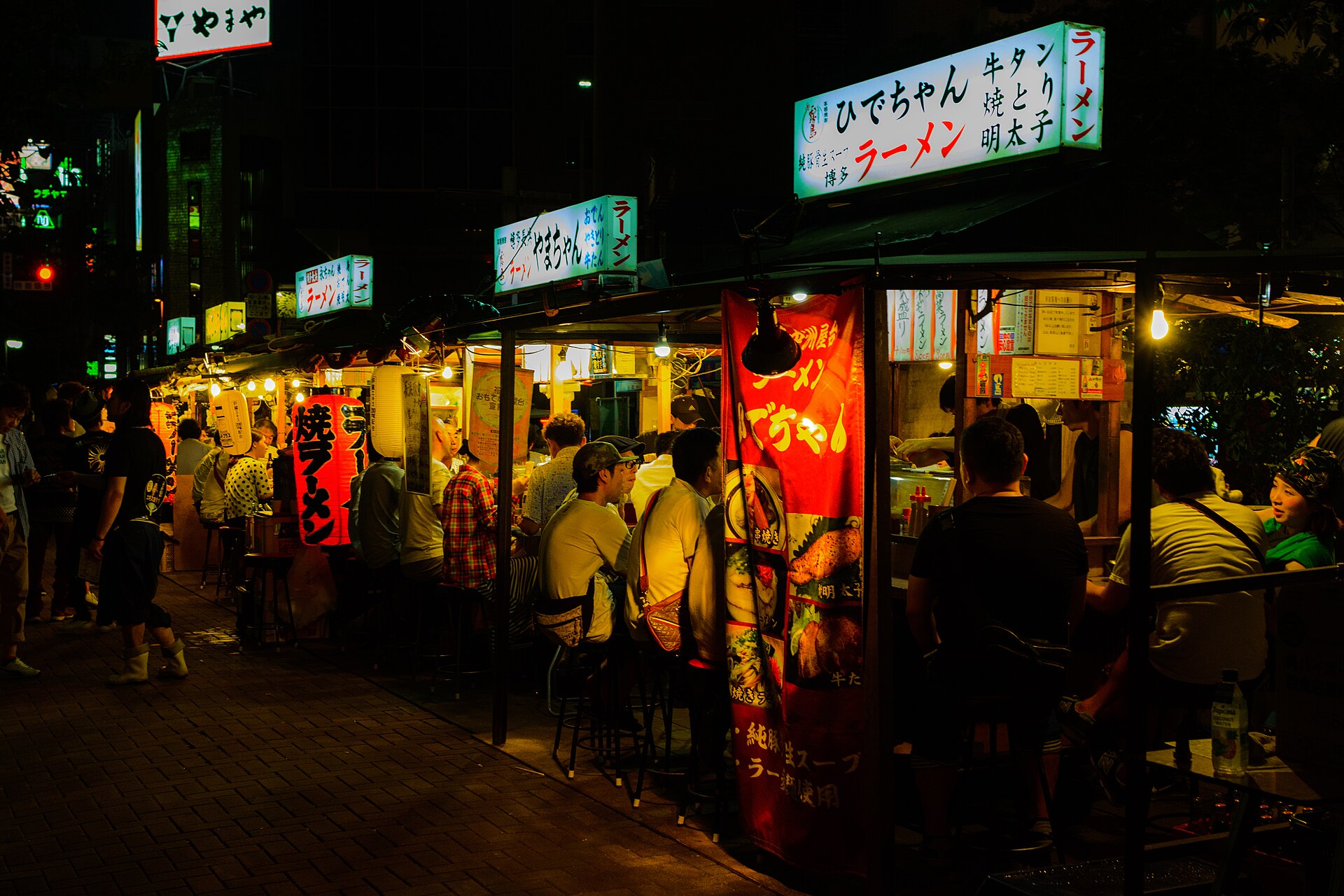
The star of any Fukuoka night is, without question, the Nakasu food stalls, or “yatai.” Once the sun sets, red-lantern stalls open one by one along the banks of the Naka River. In fact, Fukuoka is the only city in Japan where this yatai culture survives in its old form, with around 100 stalls operating across the city and some 20 of them lined up along the Nakasu riverside. From steaming bowls of Hakata ramen to yakitori, oden and mentaiko omelets, the warmth of eating shoulder-to-shoulder with the diner beside you in a tiny stall is a special charm you can taste only here. Add the glittering night view across the river, and it becomes an unforgettable evening.
No. 1. Dazaifu Tenmangu
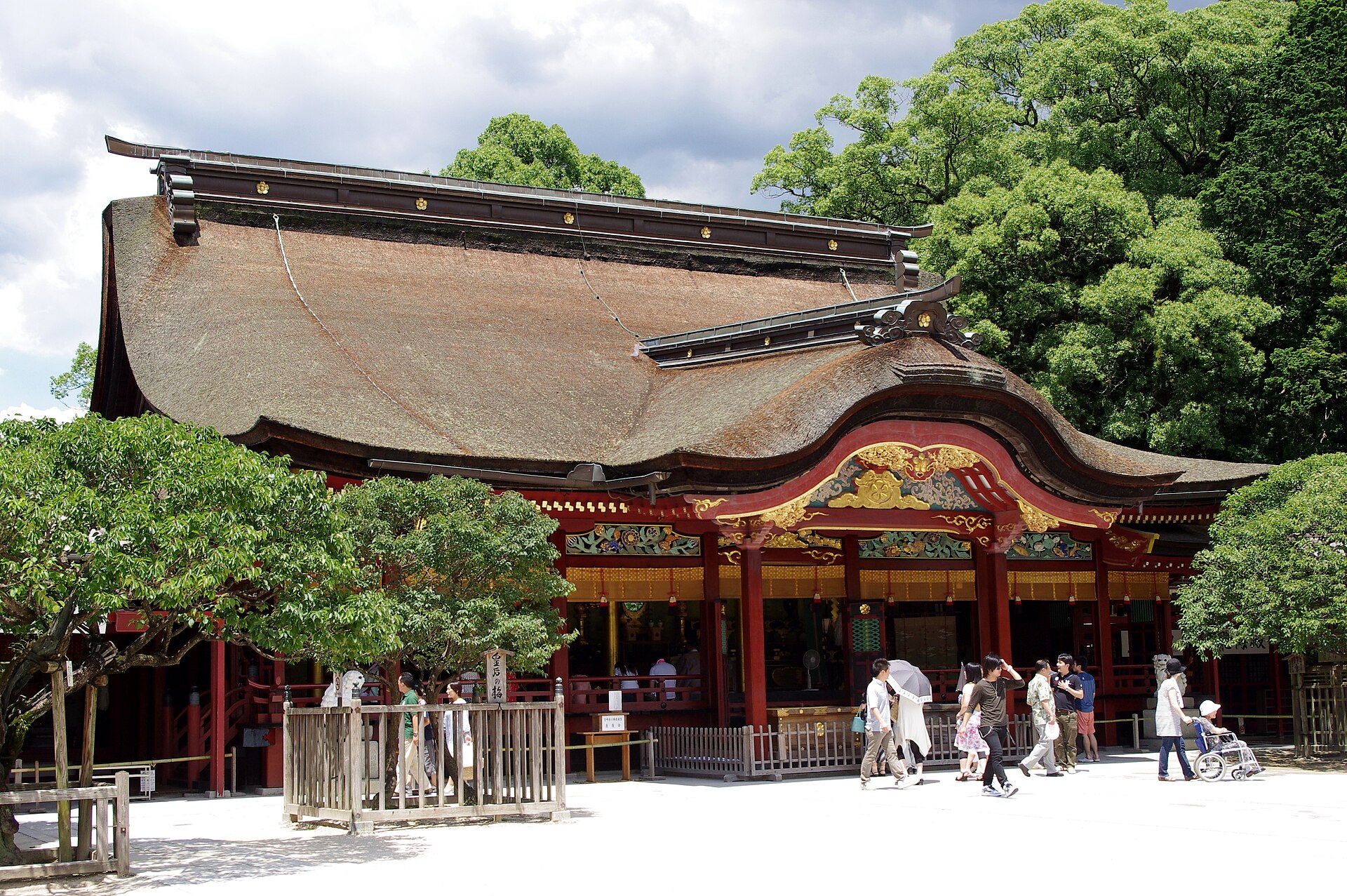
The glorious No. 1 is Fukuoka’s signature shrine, Dazaifu Tenmangu. It enshrines Sugawara no Michizane, a Heian-era scholar revered as the god of learning, and is built over his grave. That’s why it overflows year-round with students and families praying for exam success and academic achievement, drawing well over 10 million visitors a year. Because Michizane was said to love plum blossoms dearly, some 6,000 plum trees are planted in the grounds, filling the entire shrine with their gentle fragrance every March. Sampling a freshly grilled “umegae-mochi,” the local specialty, along the approach is a pleasure not to be missed. It’s about a 40-minute train ride from central Fukuoka, making it perfect for a half-day outing.
And that wraps up our tour of the top 10 attractions in Fukuoka — how did you like it? With sea and city, ancient shrines and lively food stalls all woven neatly together, Fukuoka is a truly charming city that fills your heart even on a short trip. This ranking is purely my own preference, so please take it just for fun, and I hope it serves as a small guide in planning your own Fukuoka itinerary. I’ll be back again with more useful travel tips!