Top 10 Must-Visit Attractions in Jeju, South Korea
Best Places to Visit in Jeju
When you think of a trip to Jeju, what’s the first scene that pops into your mind? For me, my heart already starts racing the moment I catch a glimpse of Hallasan out the airplane window. Honestly, Jeju feels so familiar that you might think “I’ve already been everywhere,” yet the moment you sit down to plan an itinerary, it’s surprisingly tricky to decide where to even begin. Especially during a hot, busy summer season like this, there are just so many options to choose from — beaches, waterfalls, and even cool lava tubes. So today I’ve put together my own personal Top 10 ranking of the standout spots you’d really hate to miss on a Jeju trip. Let’s start from number 10!
※ This ranking isn’t based on any official metric — I picked it subjectively based on accessibility, iconic value, suitability for a summer trip, and overall fame, so please take it just for fun. Also, this post may contain affiliate links, and the recommendations were chosen independently of any commission.
10. Sanbangsan Mountain
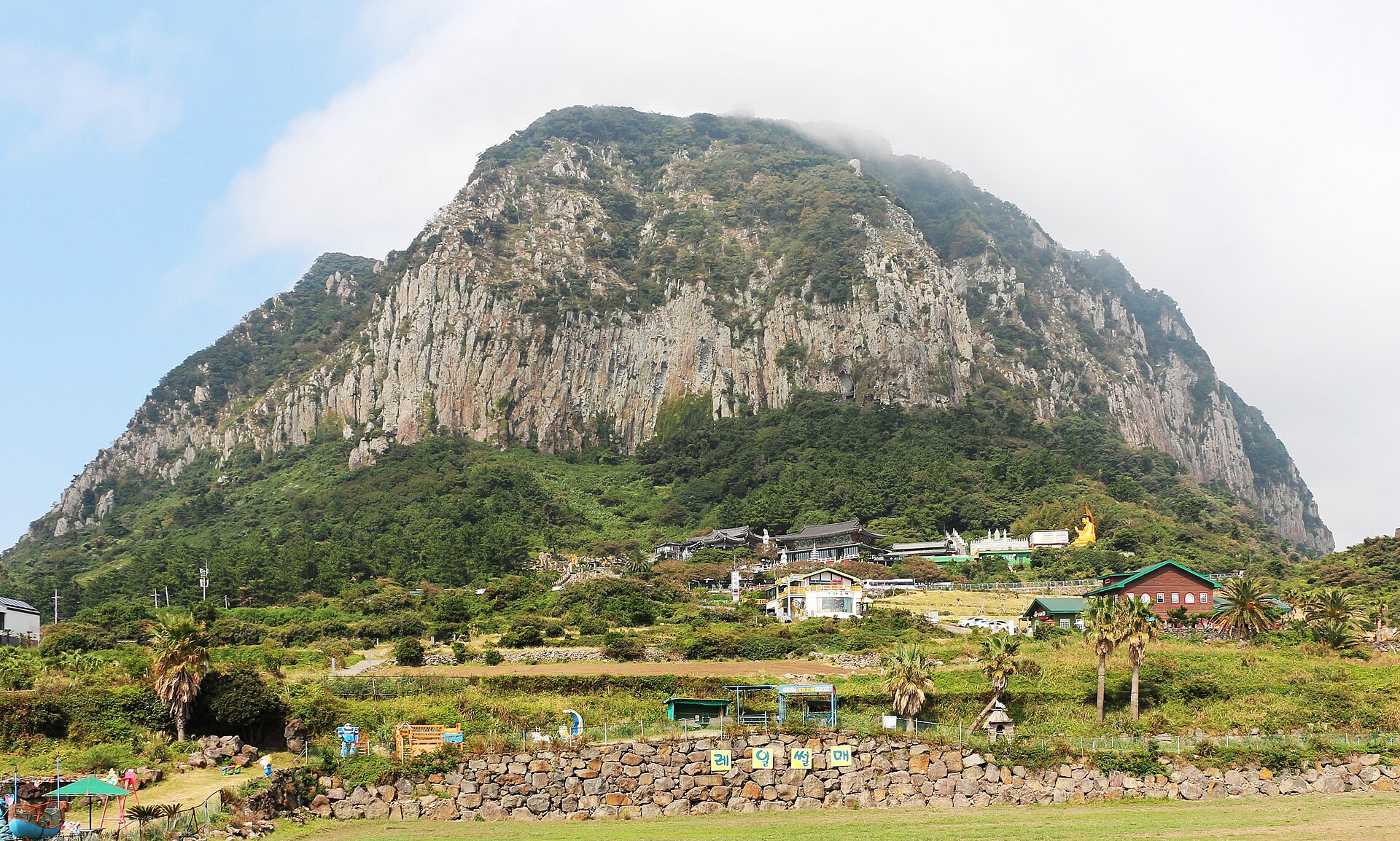
Let’s kick things off with Sanbangsan, the landmark guarding Jeju’s southwest. This towering, bell-shaped rock mountain that you can spot at a glance from far away is a lava dome about 395 m (1,300 ft) tall. Rather than being formed by a volcanic explosion, it was created in a rather special way — thick, viscous lava pushed its way up and hardened in place. Partway up sits Sanbanggulsa, a cave temple looking out over the sea, and the views from there are wonderfully open. There’s even a touching legend that the water droplets falling from the cave ceiling are the tears of a woman named Sanbangdeok. If you tie in the Yongmeori Coast right below and walk them together, you can take in the dramatic coastal scenery of southern Jeju all at once. It’s also a perfect place to watch the sunset with the nearby Brother Islands (Hyeongjeseom) as your backdrop, making it a great starting point for a southern-Jeju itinerary.
9. Jeongbang Waterfall
Jeongbang Waterfall in Seogwipo is the kind of place where a single fact is enough to make you want to go. Standing about 23 m (75 ft) high and 8 m (26 ft) wide, this waterfall is remarkably the only coastal waterfall in Asia that plunges directly into the sea. Watching the water cascade down with the waves rolling in right behind it is a sight you’d be hard-pressed to find anywhere else. It’s such a celebrated spot that it has long been counted among the Yeongjusipgyeong, the Ten Views of Jeju. The path leading down to the base of the falls is lined with stone steps, and the scene of black basalt cliffs meeting the emerald sea is truly picture-perfect. Standing there catching the spray in the midsummer heat is about as refreshing as it gets. It’s also close to Seogwipo Maeil Olle Market, so it’s easy to enjoy a bit of street food and browsing after seeing the falls.
8. Seopjikoji
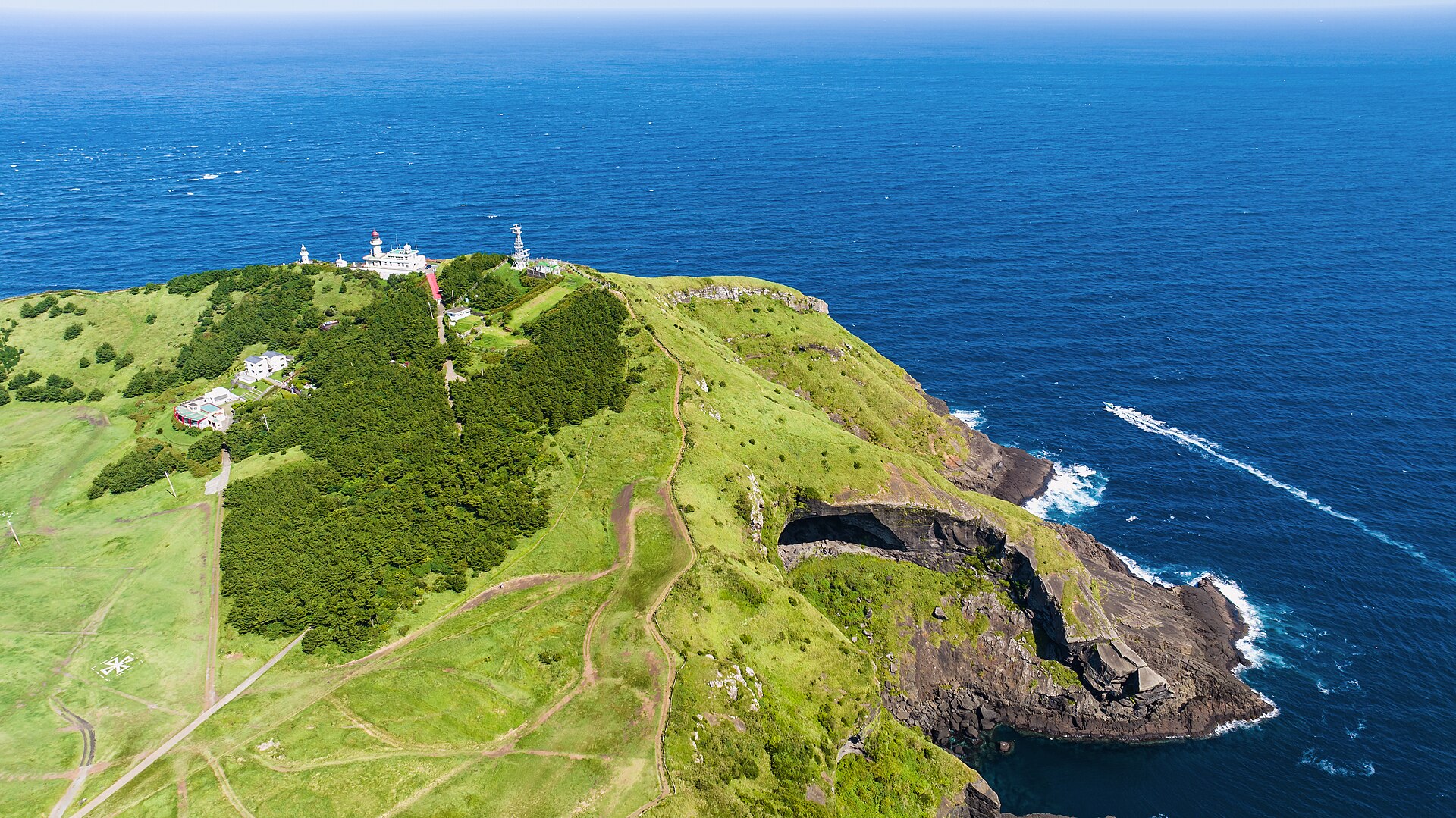
Seopjikoji is a low cape that juts out into the sea on Jeju’s eastern side. “Koji” is actually the Jeju dialect word for a cape. A walking trail winds along the gentle grassy hills, and a white lighthouse stands at the very tip, so every angle here makes for a postcard-worthy shot. In spring the canola flowers bloom, and in autumn the silver grass ripples in the wind. It’s also famous as a filming location for many dramas and films. Scattered across the hills you’ll find an art museum and a café designed by the world-renowned architect Tadao Ando, so there’s the added pleasure of taking in nature and architecture side by side. Best of all, Seongsan Ilchulbong — which I’ll introduce next — faces you across the water, making the two an ideal pair to visit together. The sea breeze can be pretty strong here, so bringing a light jacket makes the stroll a lot more comfortable.
7. Cheonjiyeon Waterfall
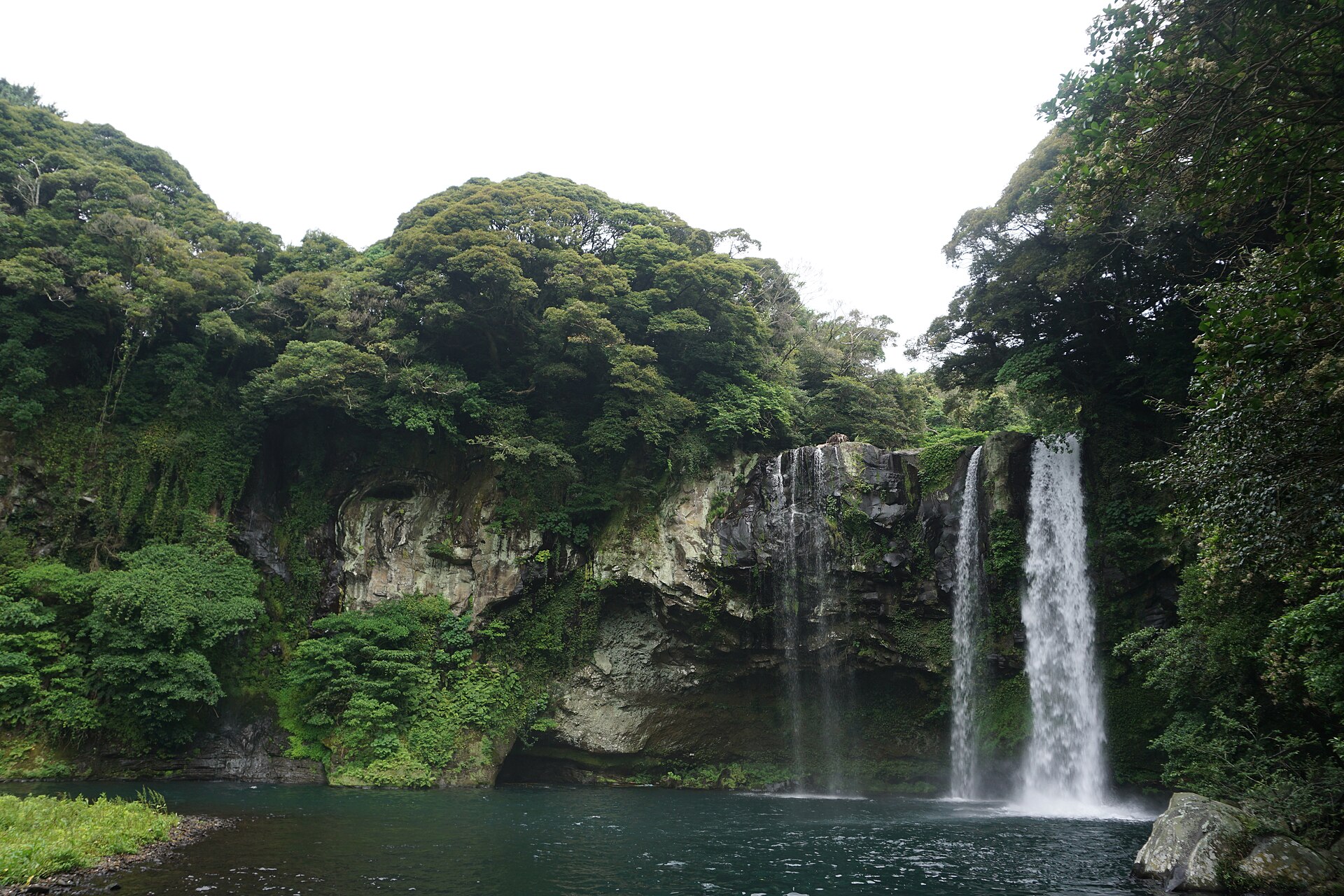
Cheonjiyeon Waterfall, whose name means “the pond where sky and earth meet,” is wonderfully easy to reach thanks to its location near downtown Seogwipo. Walk about 10 minutes from the parking lot through a lush subtropical forest path, and you’ll come upon a refreshing curtain of water pouring down from about 22 m (72 ft). This whole area is also a protected natural-monument zone that’s home to rare creatures, including the marbled eel. On summer nights in particular, the lighting comes on to create an atmosphere completely different from the daytime, making it a lovely spot for an evening stroll. By the way, it’s easy to mix this up with the similarly named “Cheonjeyeon Waterfall” — they’re two different falls, so it’s worth double-checking your destination when you set out. It’s also nice that the path is so well maintained that you can approach without much trouble even with a stroller or wheelchair.
6. Daepo Jusangjeolli Cliff
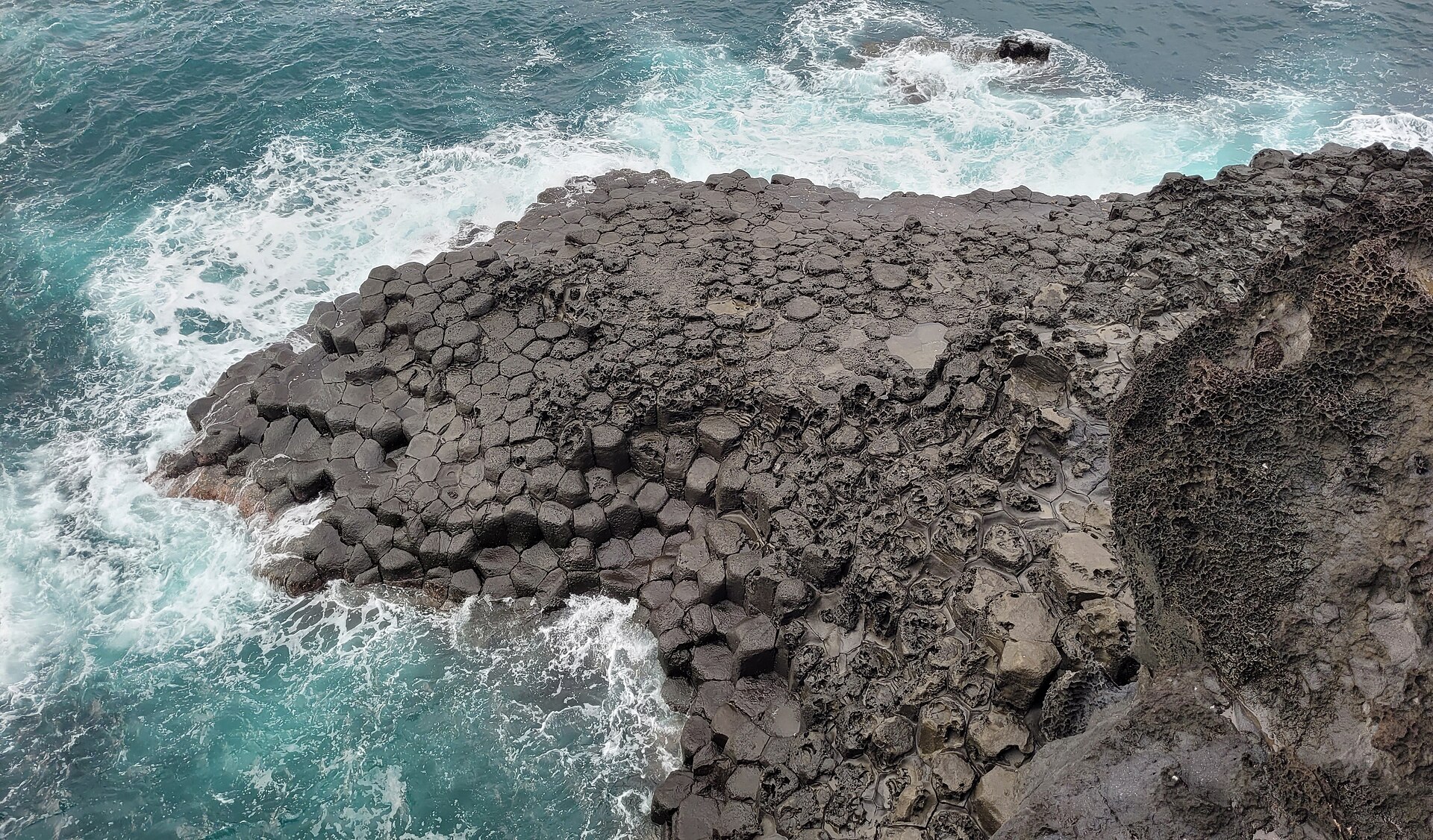
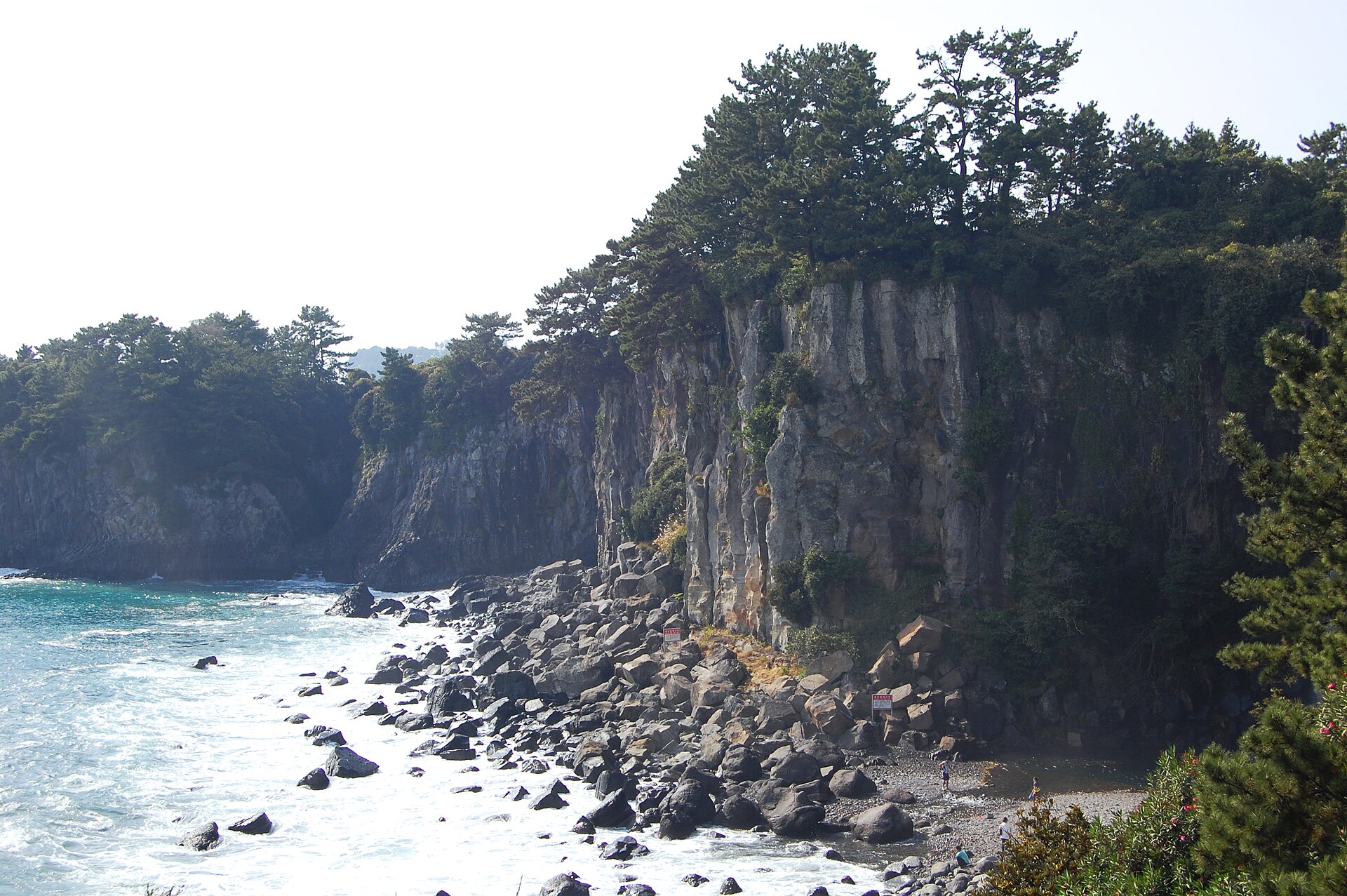
If you want to see a giant sculpture crafted by nature itself, I recommend the Daepo Jusangjeolli Cliff near Jungmun. As lava flowing down from Hallasan met the sea and cooled rapidly, it cracked and split apart — and the astonishing result is a cliff of hexagonal columns lined up like a folding screen. At 30–40 m (100–130 ft) high and roughly 1 km (0.6 mi) wide, it’s the largest of its kind in Korea and is designated Natural Monument No. 443. When white waves crash against the black columns, the sheer scale of it will leave you in awe. Formed about 140,000 to 250,000 years ago, it’s a cliff quite literally sculpted by time. There’s a well-built observation deck so visitors of all ages can look around comfortably, and on days when the waves run high, the sight of water columns pounding the cliff is even more spectacular. With Jungmun and Saekdal beaches and several resorts clustered right nearby, it’s also a convenient area to base your accommodations.
5. Manjanggul Lava Tube
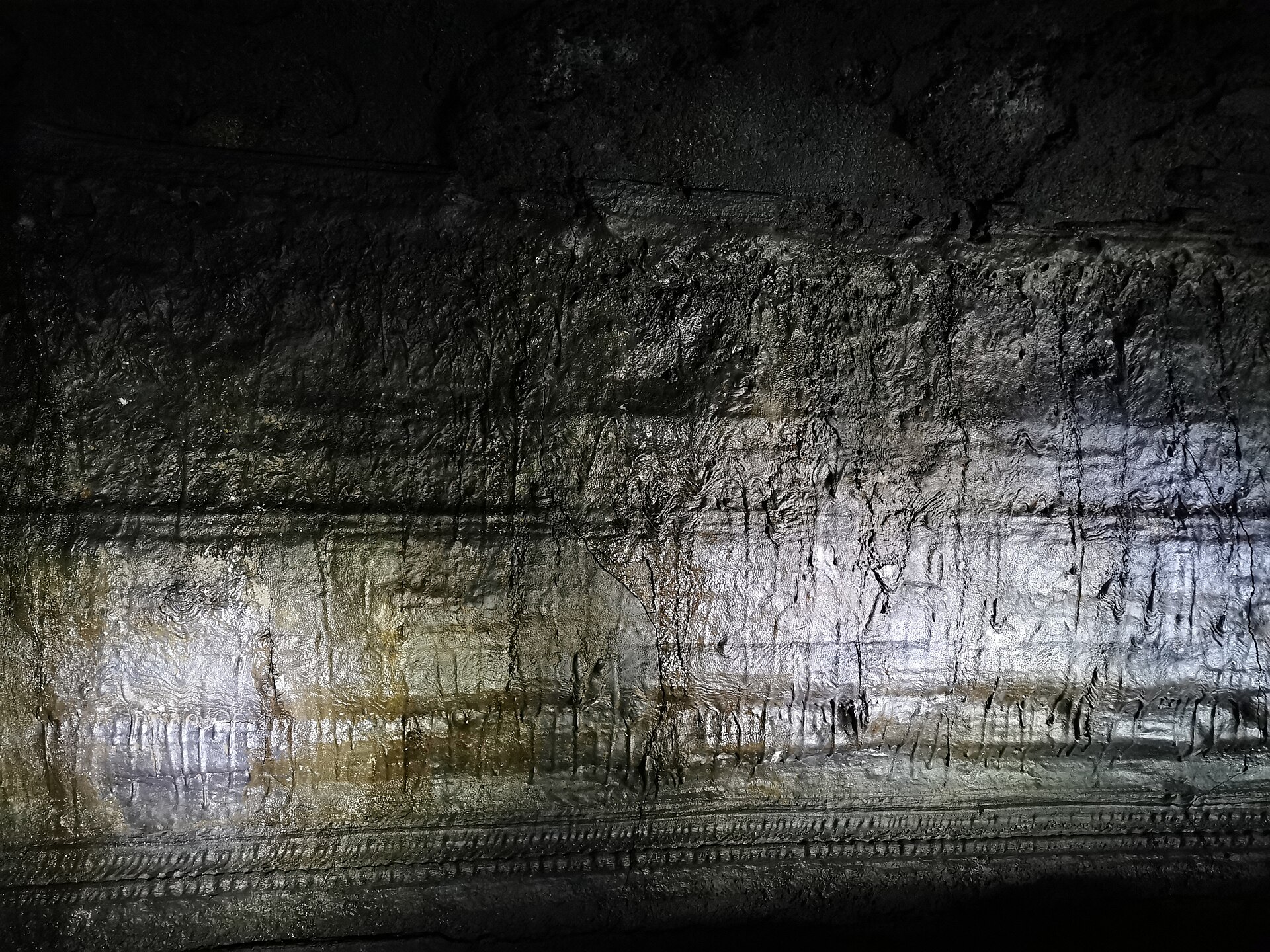
When the blazing midsummer sun feels like too much, there’s no better escape than this. Manjanggul is an enormous lava tube stretching about 7,400 m / 7.4 km (4.6 mi), and together with Seongsan Ilchulbong it was inscribed on the UNESCO World Natural Heritage list in 2007 under the name “Jeju Volcanic Island and Lava Tubes.” About 1 km (0.6 mi) of it is open to the public, and it’s grand enough that the passage is a full 18 m (59 ft) wide in places. Waiting at the far end is a lava column standing about 7.6 m (25 ft) tall — known to be the largest in the world. Inside the cave, the temperature stays cool at around 10°C (50°F) even in the height of summer, so I’d definitely recommend packing a light jacket. The floor is uneven and damp, so comfortable shoes like sneakers are a must as well. There are sights to enjoy along the way too, such as the “Stone Turtle” rock shaped like a tortoise, making it a great route to walk with kids while chatting about the wonders of nature.
4. Hyeopjae Beach
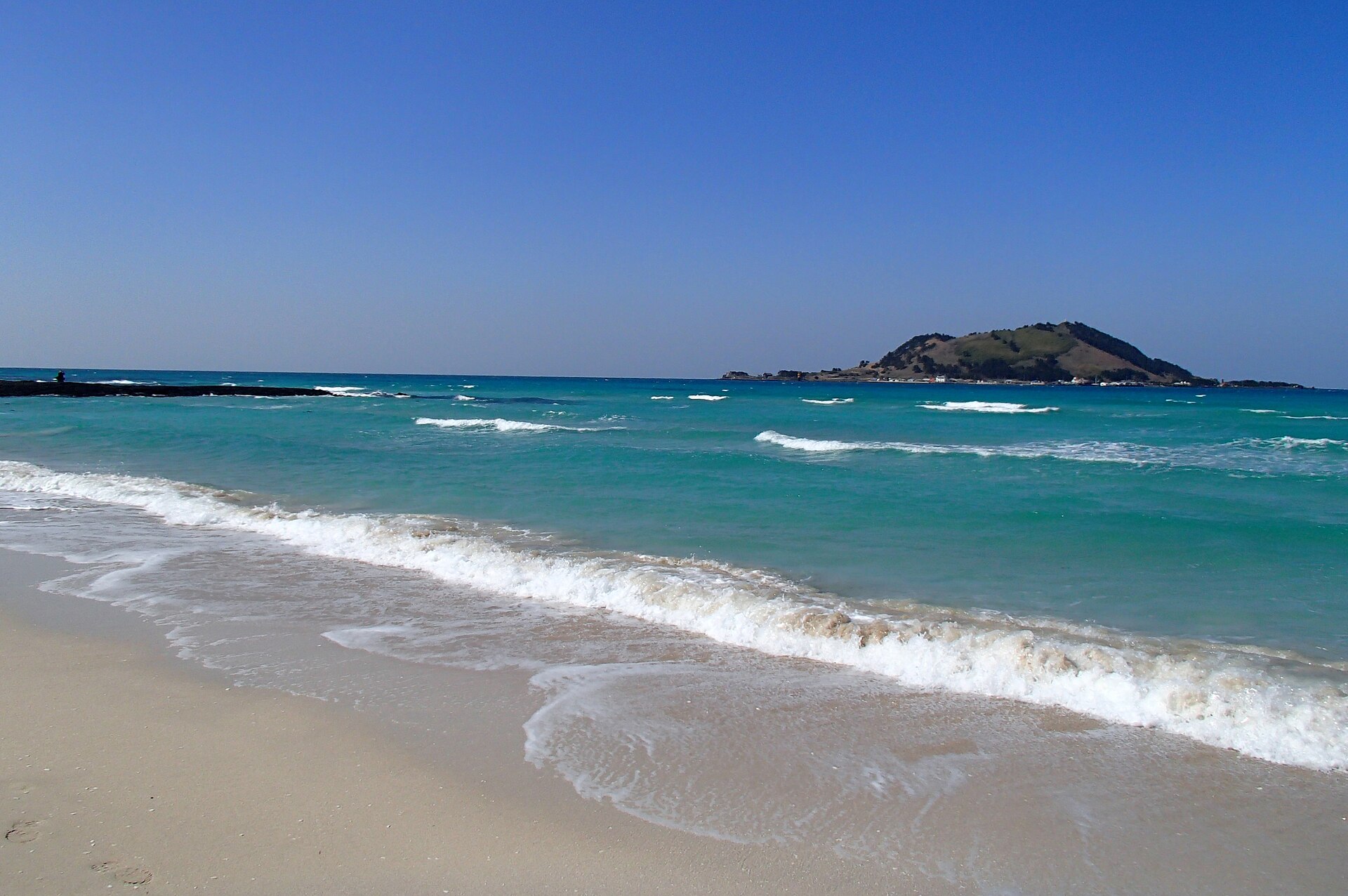
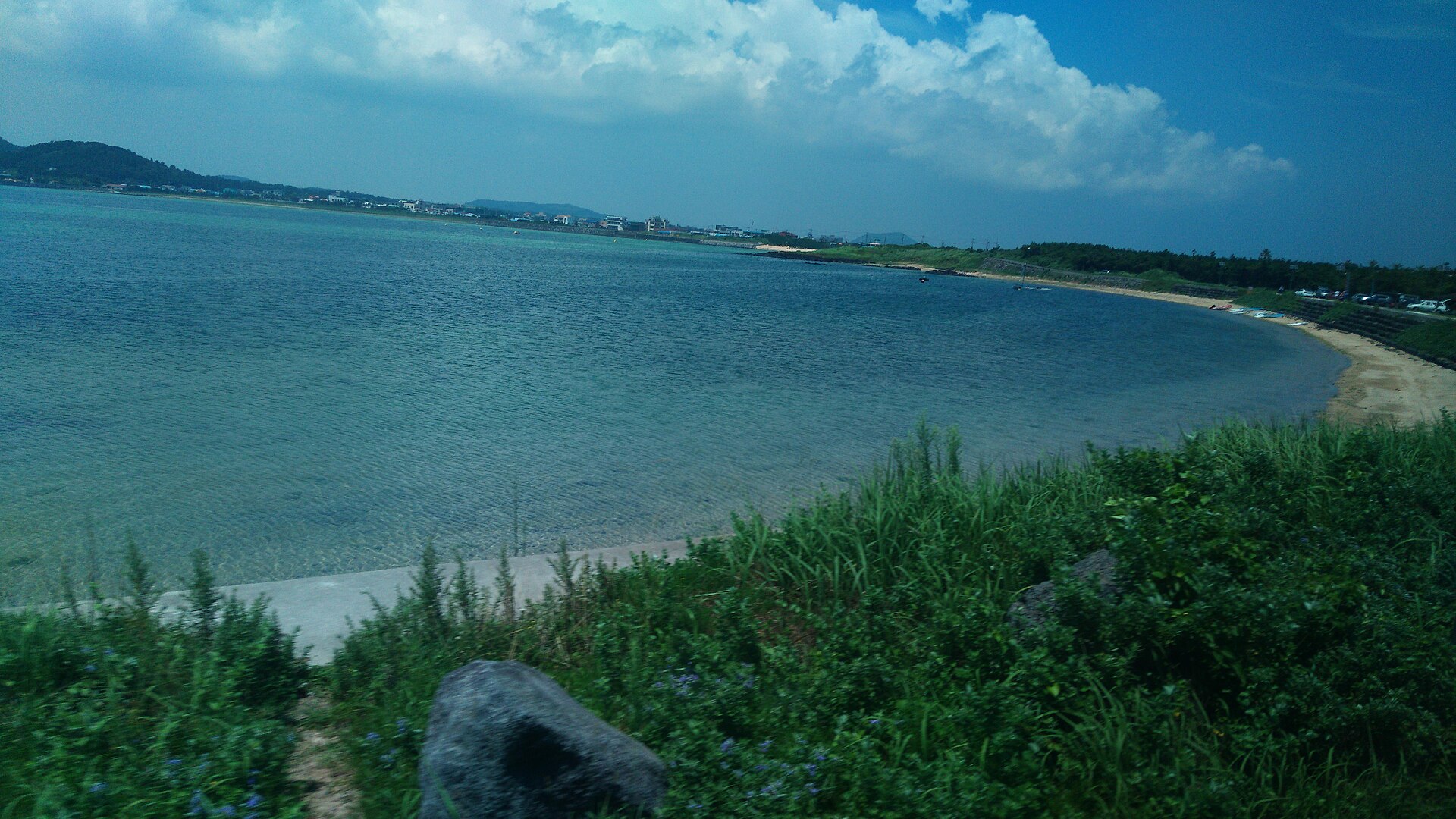
A summer trip to Jeju simply wouldn’t be complete without the sea. Hyeopjae Beach on Jeju’s west coast is one of those bucket-list beaches. Its snow-white shell sand and shallow, crystal-clear emerald water make it feel like a tropical resort transplanted right here. The gentle water depth also makes it reassuring for playing in the water with kids. Across the sea, the little volcanic island of Biyangdo floats in view, and its silhouette is especially lovely around sunset. Right next door, Hallim Park has lava tubes like Hyeopjaegul and Ssangyonggul plus a palm-tree garden, so it’s a great route for combining a beach day and an outing all in one. On peak-season weekends it can get quite crowded, so if you want to enjoy it in peace, try aiming for the early morning. The nearby Geumneung Beach has a similar vibe, so keep that in mind as an option too.
3. Udo Island
Udo, another Jeju within Jeju, is a small island just a 15-minute ferry ride from Seongsan Port. Because its shape resembles a cow lying down, it’s also called “Soseom” (Cow Island). Udo’s pride and joy are the pure-white Seobinbaeksa beach — made of crushed coral — and the almost surreal jade-colored sea that stretches out before it. Renting a bike or an electric car to loop around the coastal road is a real treat. Climb up Udobong Peak and you can take in Seongsan Ilchulbong across the water in a single sweep. And be sure to try the ice cream made from the island’s specialty peanuts! The ferry usually runs at 30-minute intervals starting around 8 a.m., with the last boat leaving in the afternoon, so if you’re going on a day trip it’s a good idea to check the schedule in advance. During peak season, bringing a car onto the island may be restricted, so renting a way to get around on the island itself tends to be the more relaxed option.
2. Hallasan Mountain
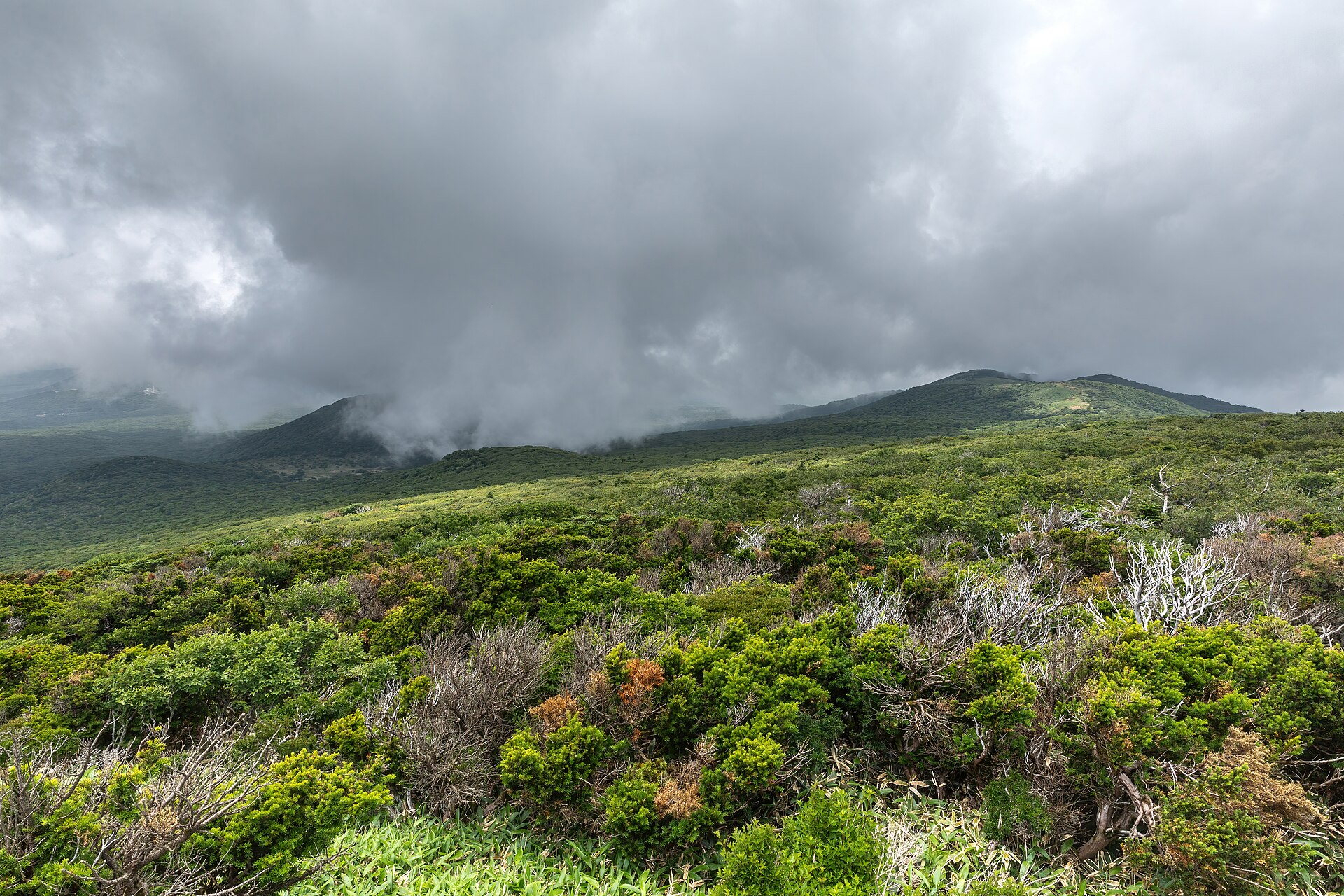
Rising in the very heart of Jeju and looking down over the whole island, Hallasan is, without exaggeration, a symbol of Jeju itself. At 1,947 m (6,388 ft), it’s the tallest mountain in South Korea, a massive shield-shaped volcano forged by volcanic activity. Designated a national park, it shows a different charm in every season. The Seongpanak and Gwaneumsa trails that climb all the way to Baengnokdam crater at the summit are popular, of course, and so are the Yeongsil and Eorimok trails, which are easy and pleasant to walk. Summit hikes run on a reservation system, so if you’re planning one, it’s best to check ahead. In summer, the ridgelines blanketed in green feel absolutely refreshing.
1. Seongsan Ilchulbong
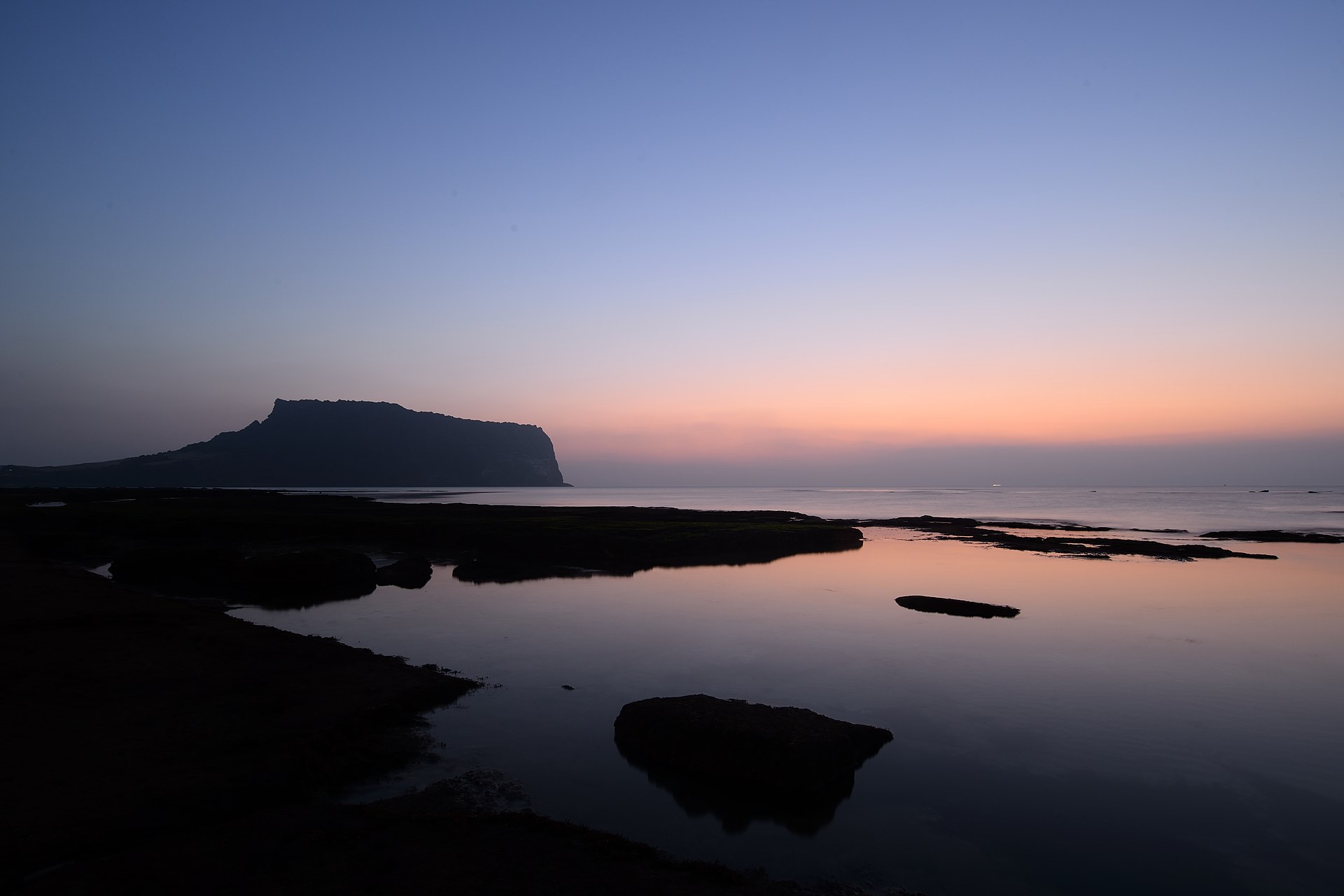
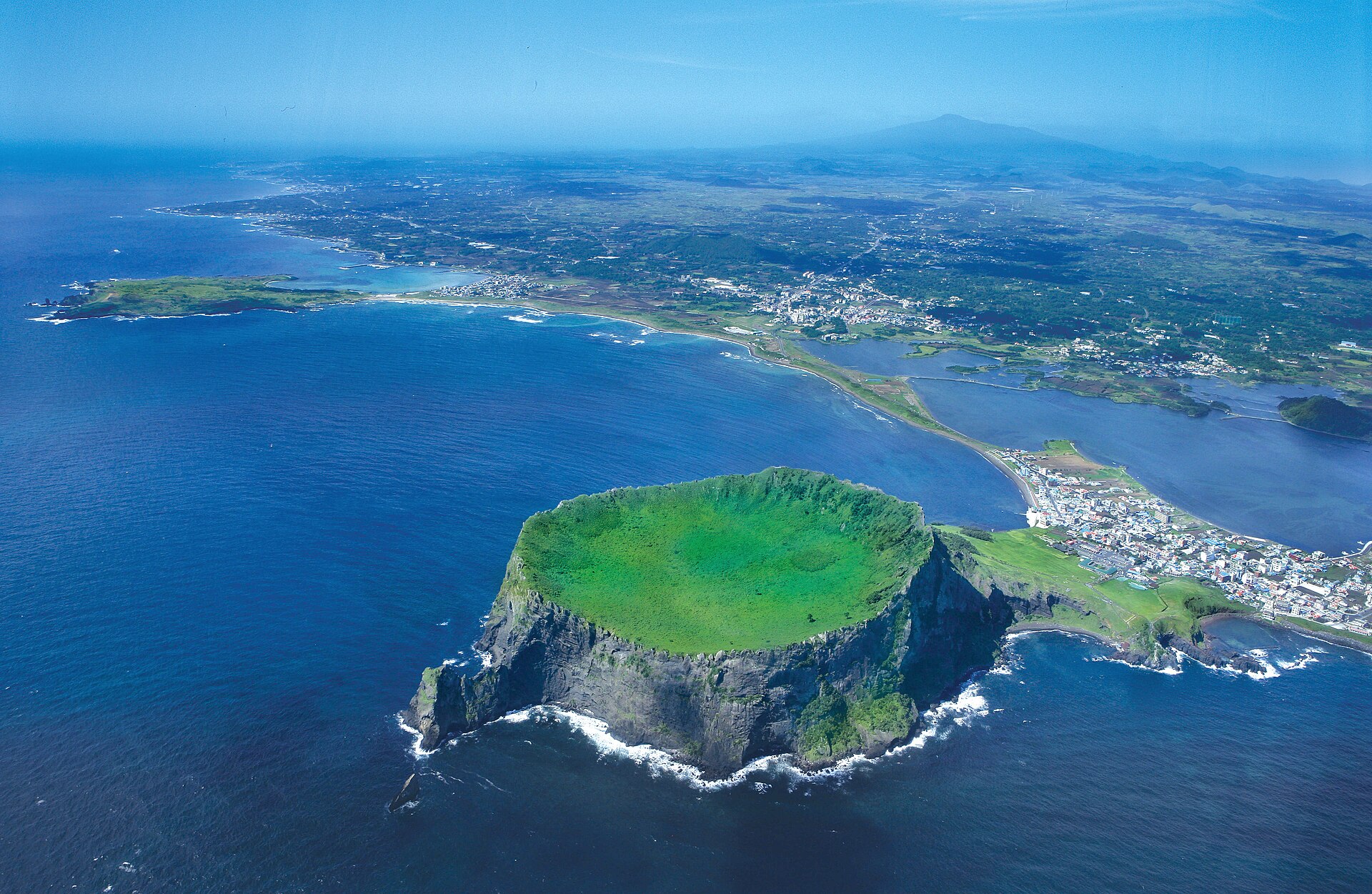
The glorious number one spot goes, of course, to Seongsan Ilchulbong. This single image that represents Jeju hardly needs any explanation. It’s a giant volcanic cone 182 m (about 600 ft) high, created about 6,700 years ago when a volcano erupted in shallow water, and the peak encircling the crater looks just like a crown. It was inscribed on the UNESCO World Natural Heritage list in 2007 along with Manjanggul, of course. True to its name — “the peak where the sun rises” — the sunrise you greet from the summit early in the morning, as the sun climbs up over the sea, is a truly spectacular sight. You’ll have to get up a little early, but of all the moments on a Jeju trip, this is one I really hope you’ll capture at least once!
So there you have it — my Top 10 must-visit spots on a Jeju trip. What did you think? Some may be old favorites, and some may have you thinking, “Oh, I still haven’t been there.” From waterfalls and lava tubes to emerald beaches and a crown-like peak, I find it so wonderful that Jeju packs such a rich variety of scenery into one small island. Why not write your very own ranking of Jeju’s best spots this summer? I’ll be back again next time with more packed travel tips. Have a wonderful trip!