Top 10 Must-Visit Attractions in Kyoto, Japan
Best Attractions in Kyoto
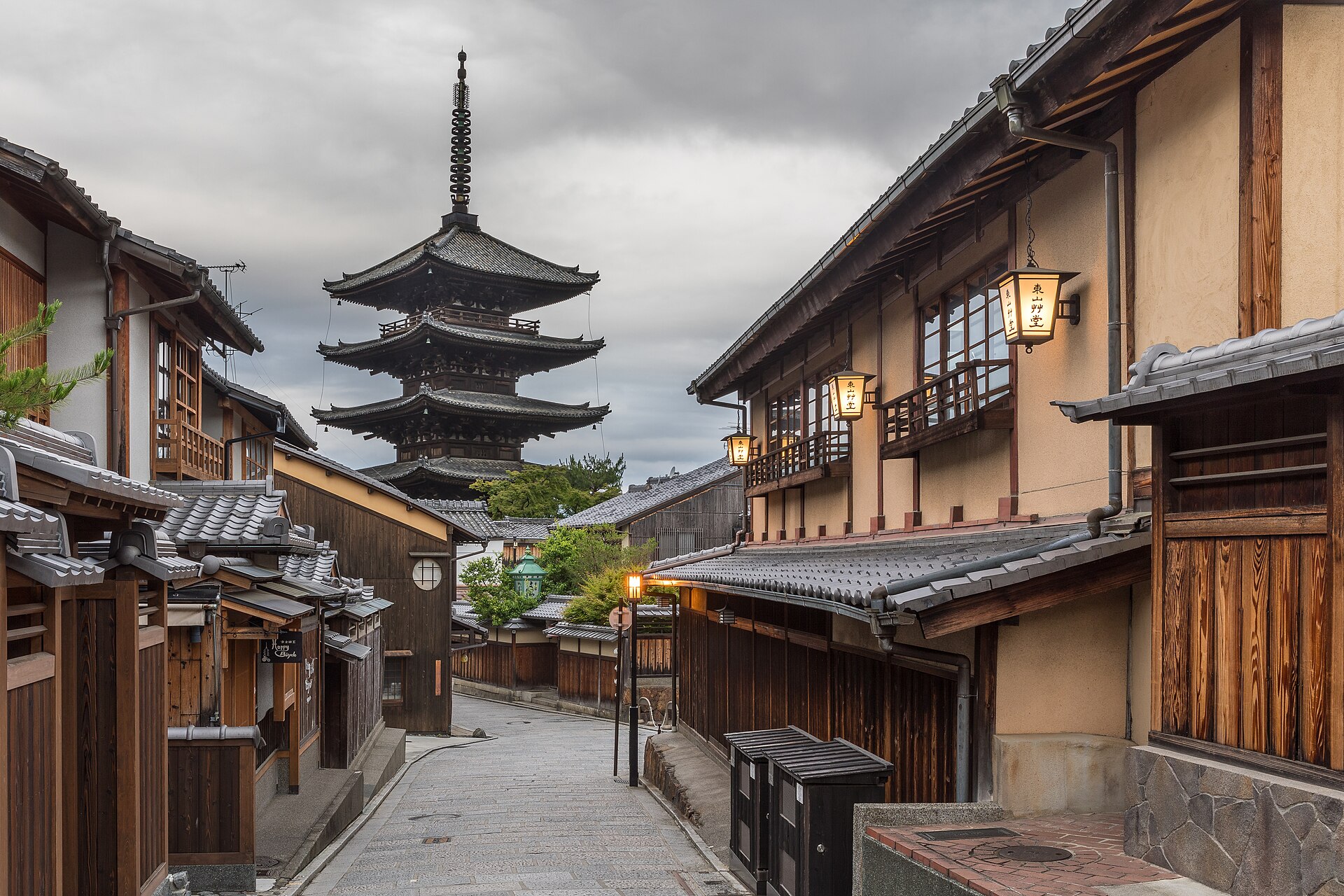
Looking for the best attractions in Kyoto, you’ll quickly find a very different kind of trip from flashy Osaka or bustling Tokyo. As Japan’s capital for more than a thousand years starting in 794, Kyoto is not so much a city as a living museum. Ancient temples and shrines hide down every lane, and the sight of people in beautifully tied kimono strolling along stone-paved streets feels like “real Japan” itself. I still vividly remember losing all track of time on my first visit, walking beneath endless red torii gates. So today, following my Osaka and Tokyo guides, here are the 10 attractions in Kyoto I recommend with full confidence, ranked in order. Let’s begin!
No. 10. Heian Shrine
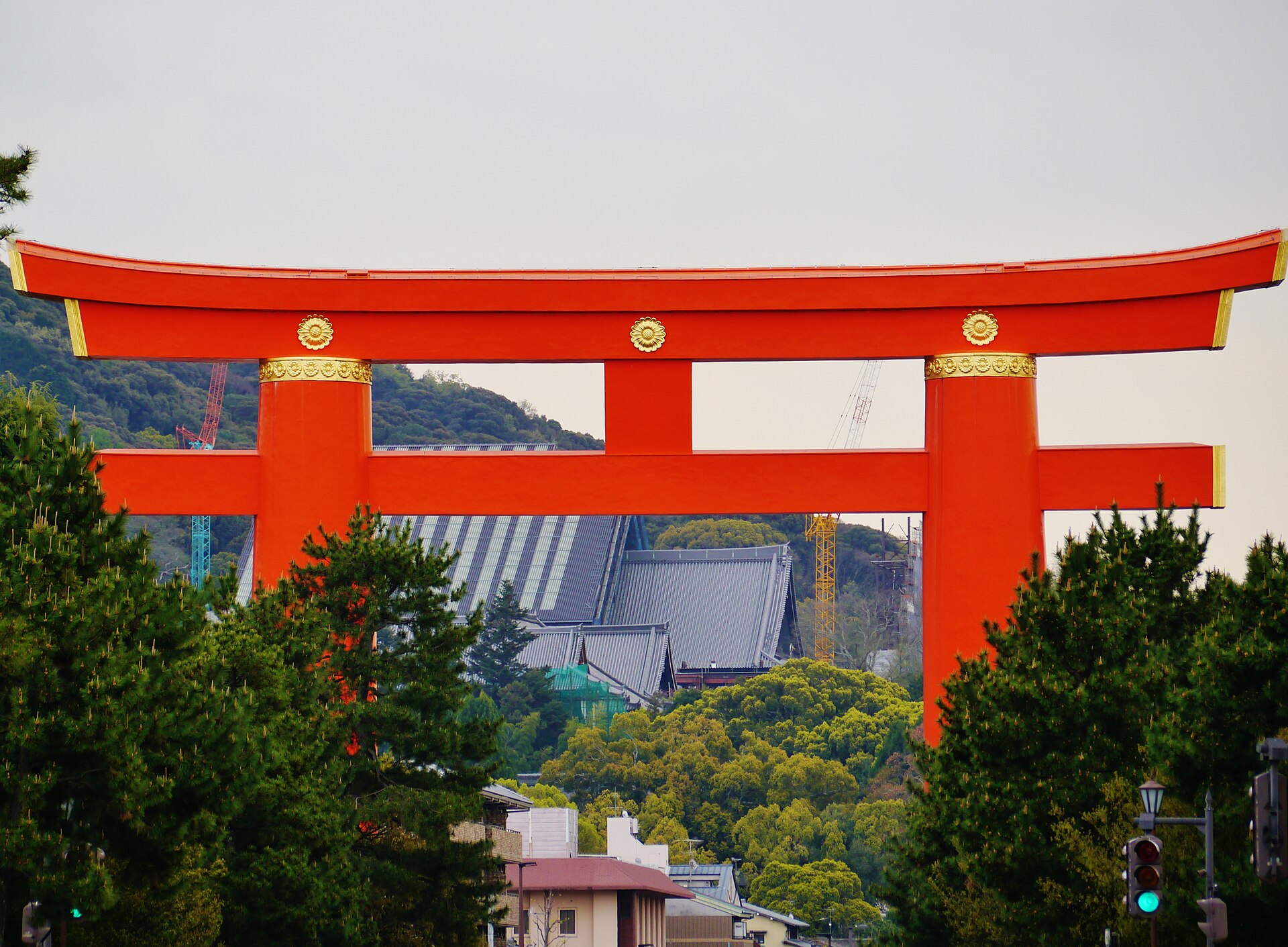
First up is one of Kyoto’s relatively “young” landmarks, Heian Shrine. It was built in 1895 to mark the 1,100th anniversary of the capital moving to Kyoto. Its vivid vermilion buildings recreate the old Heian palace hall at roughly 5/8 scale, making for a wonderfully grand sight. The real showstopper, though, is the enormous torii gate standing 24 m (79 ft) tall out front — step beneath it and you’ll realize just how small it makes you feel. In spring the Shin’en garden fills with weeping cherry blossoms, so if you can time it right, don’t miss it.
No. 9. Sanjusangen-do
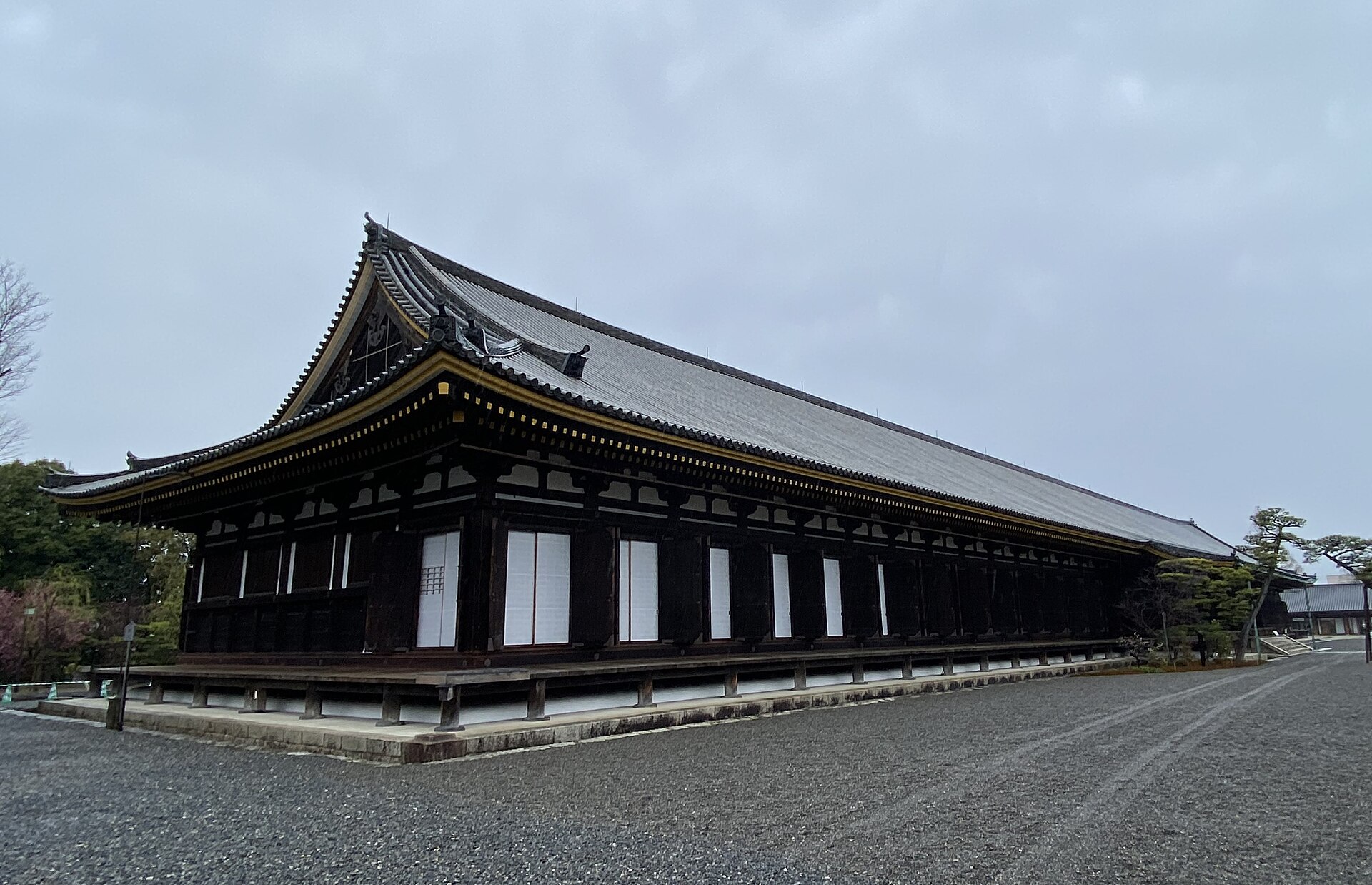
From the outside Sanjusangen-do looks like nothing more than a long, low wooden building — but the moment you step through the doors, it leaves everyone speechless. At about 120 m (394 ft) long it’s counted as the longest wooden structure in Japan, and inside stand a staggering 1,001 statues of the thousand-armed Kannon. First built in 1164 and rebuilt into its present form in 1266 after a fire, it has watched over this overwhelming sight for nearly 800 years. Photography of the golden, candle-like rows of statues is prohibited, so it’s a special experience you can only carry away in your memory.
No. 8. Nishiki Market
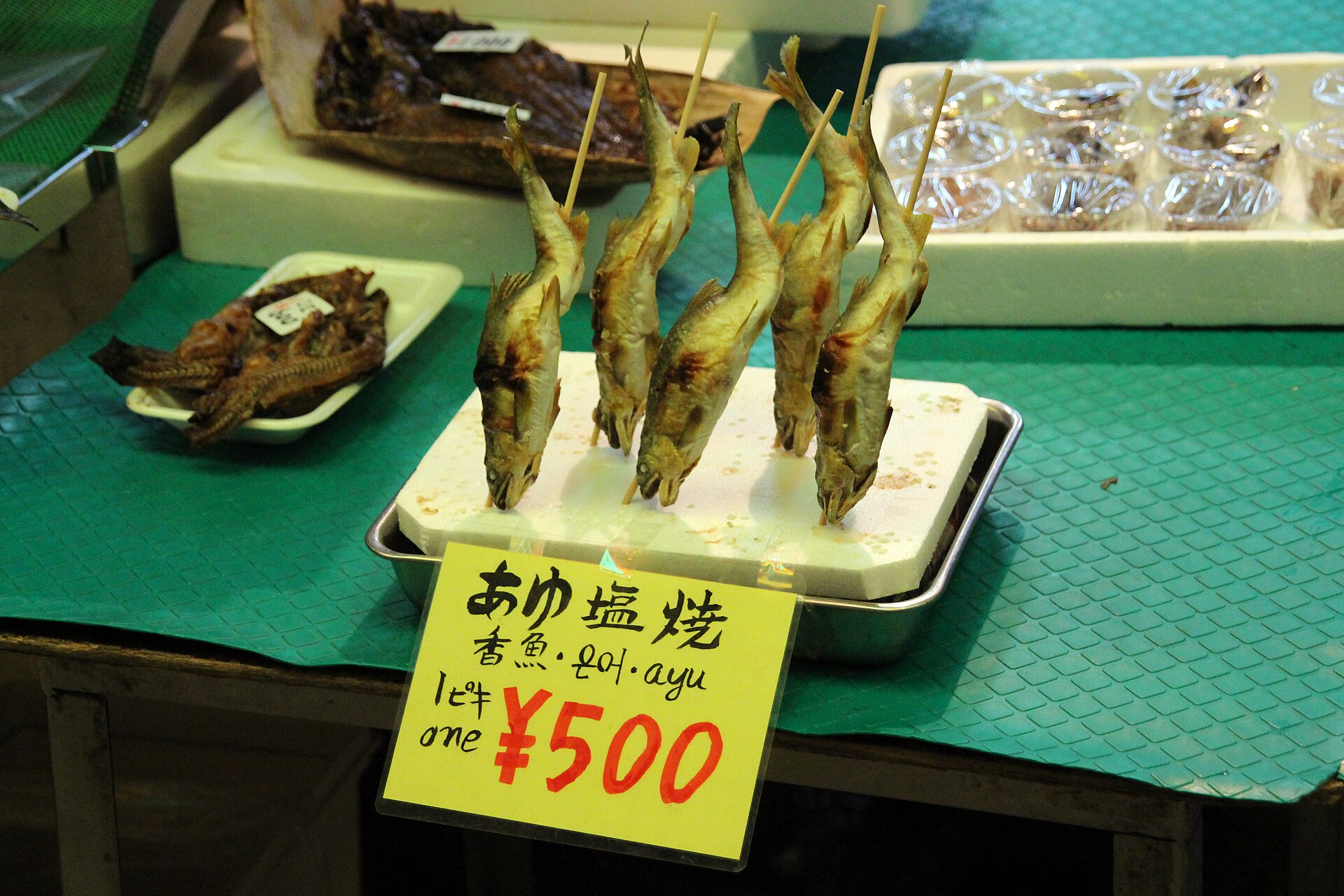
When you start to get hungry between temples, Nishiki Market is the perfect place to drop by. True to its nickname “Kyoto’s Kitchen,” this arcade boasts around 400 years of history, with some 130 shops packed tightly along a narrow, covered lane. From Kyoto-style pickles (tsukemono) to tofu, fishcakes and matcha sweets, to skewered octopus eggs and grilled squid, it’s a food paradise for both the eyes and the palate. Many stalls happily offer samples, so nibbling your way along you’ll find your stomach comfortably full before you know it.
No. 7. Nijo Castle
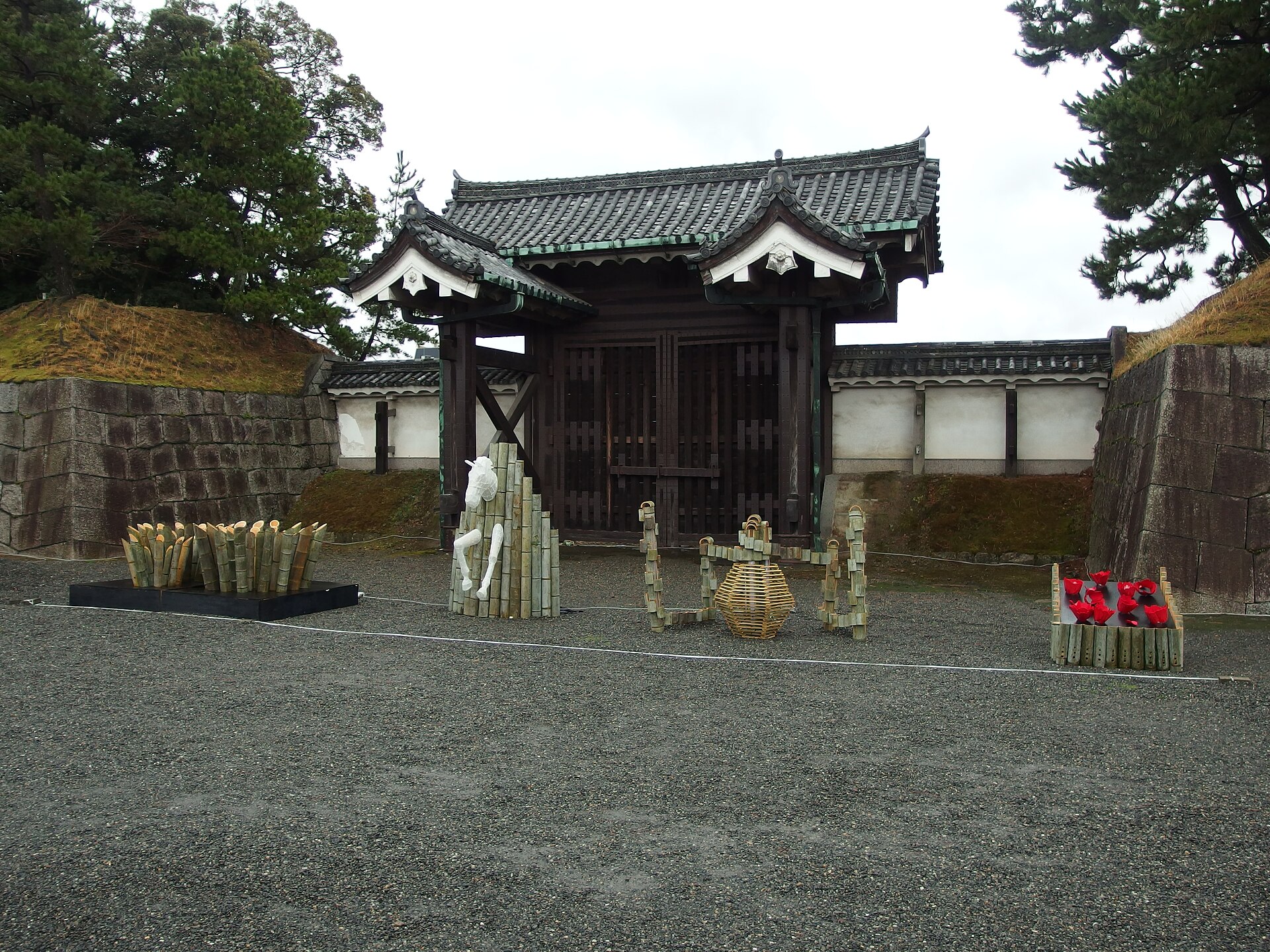
Nijo Castle was built in 1603 as the Kyoto residence of Tokugawa Ieyasu, and that historical weight earned it a place on the UNESCO World Heritage list. The lavishly gilded Ninomaru Palace is the highlight. What’s especially fun here are the “nightingale floors” (uguisu-bari), which chirp like birds with every step you take — a kind of alarm system designed to foil intruding assassins, a clever touch that still amazes today. It was also the stage for the 1867 handover of power from the Edo shogunate back to the emperor, so history buffs will find it all the more meaningful.
No. 6. Ginkaku-ji (Silver Pavilion)
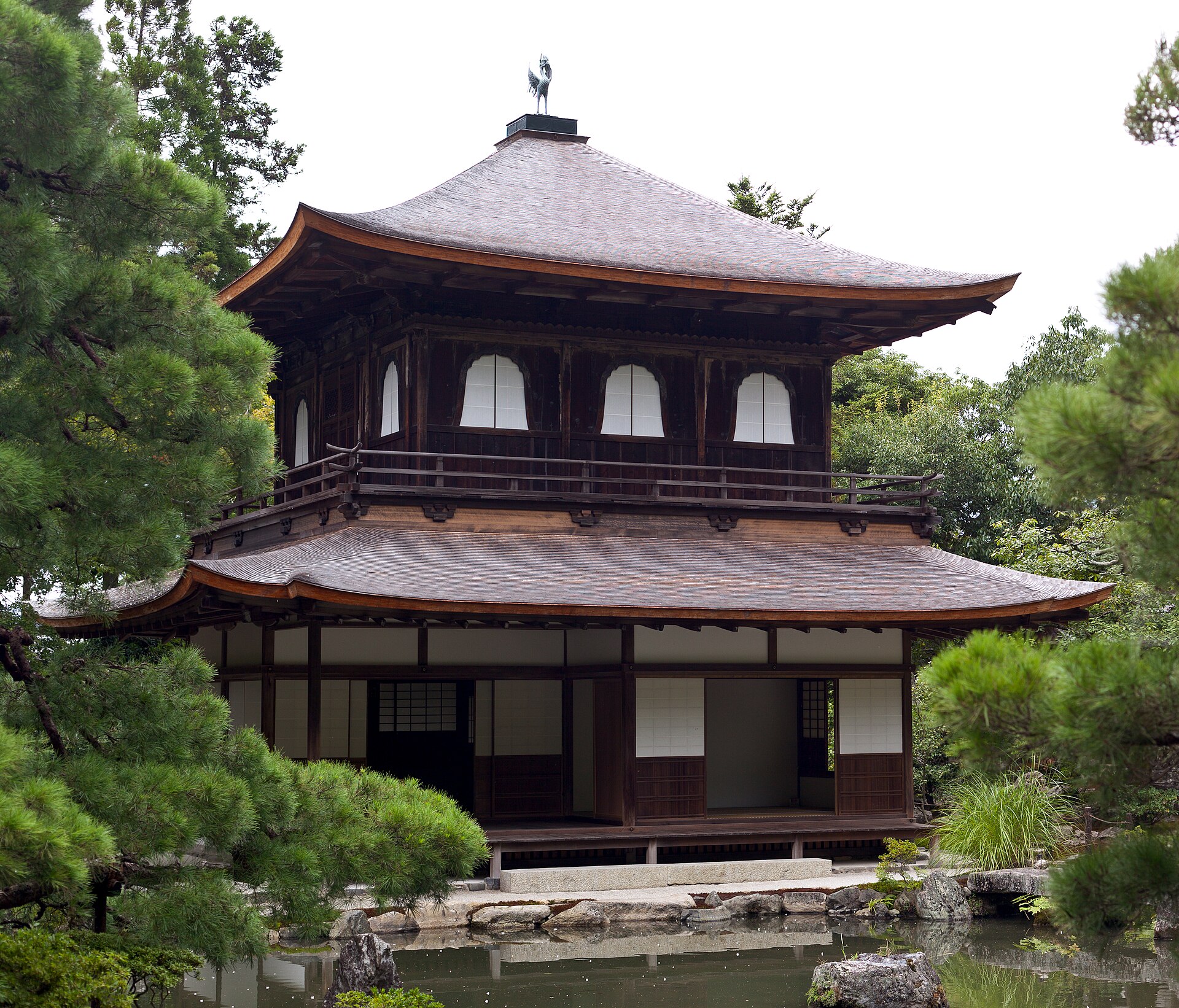
If the name “Silver Pavilion” has you expecting a silvery building, you may be slightly puzzled. Built in 1482 by Ashikaga Yoshimasa, this villa was in fact never coated in silver — yet its understated, restrained beauty is exactly why it’s so beloved. The precisely raked sand garden and the cone-shaped mound said to reflect moonlight are especially striking. Don’t skip the “Philosopher’s Path” that runs south from Ginkaku-ji, either; in spring, cherry blossoms burst into bloom along the little canal, making it one of Kyoto’s finest strolls.
No. 5. Gion
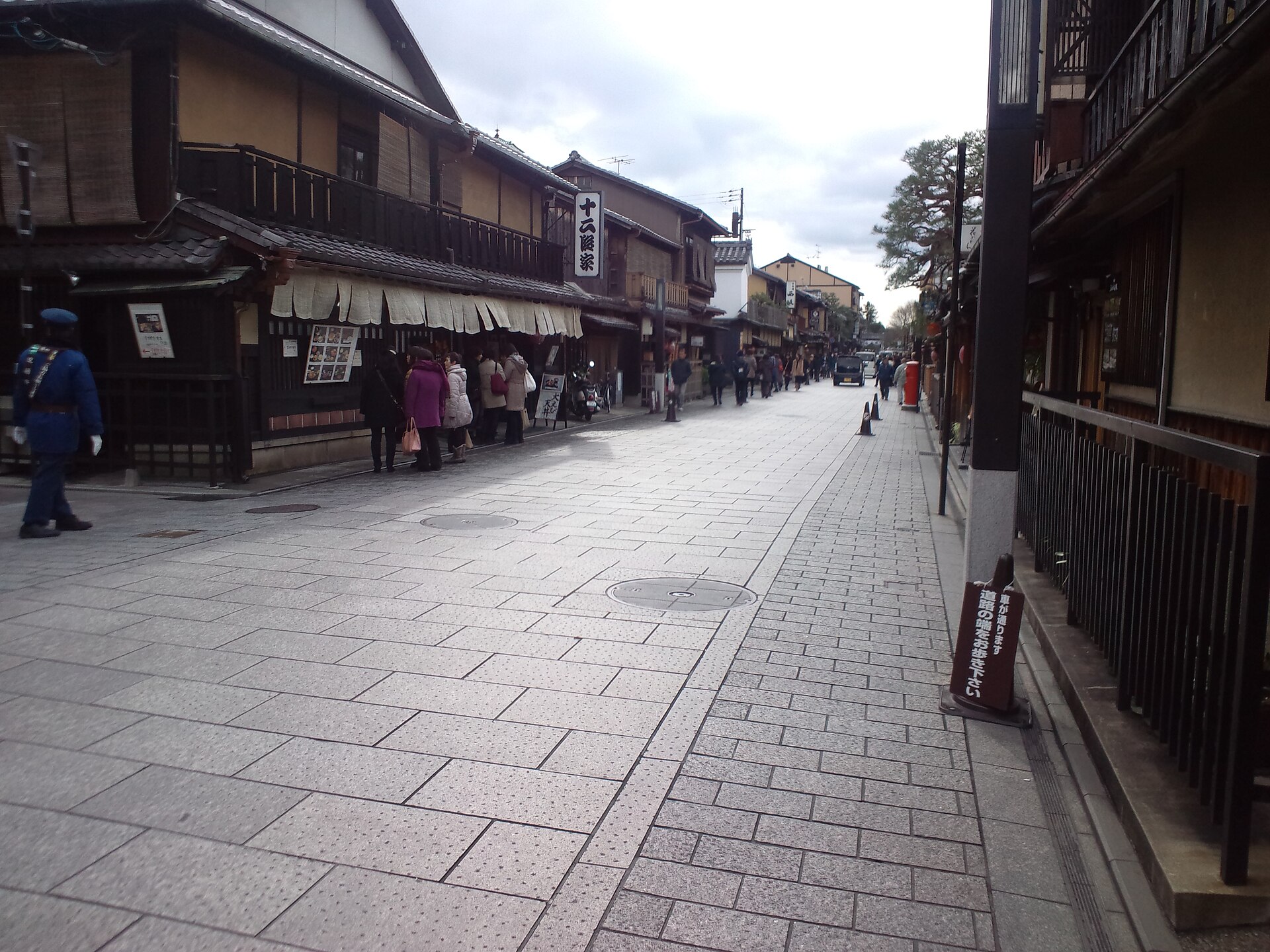
The very image that comes to mind when you think of Kyoto — the traditional streets where geisha (geiko) and maiko come and go — is Gion. Hanamikoji Street in particular is lined with old wooden teahouses and restaurants behind lattice windows, and when the lanterns glow at dusk it feels like stepping straight into a period drama. If you’re lucky, you might glimpse a maiko hurrying off to an evening appointment. That said, photography restrictions now limit access to some of the private alleys, so it’s best to keep to the designated streets and quietly soak in the atmosphere with good manners. Pairing it with a walk to nearby Yasaka Shrine and the Shirakawa canal makes it all the more charming.
No. 4. Arashiyama Bamboo Grove
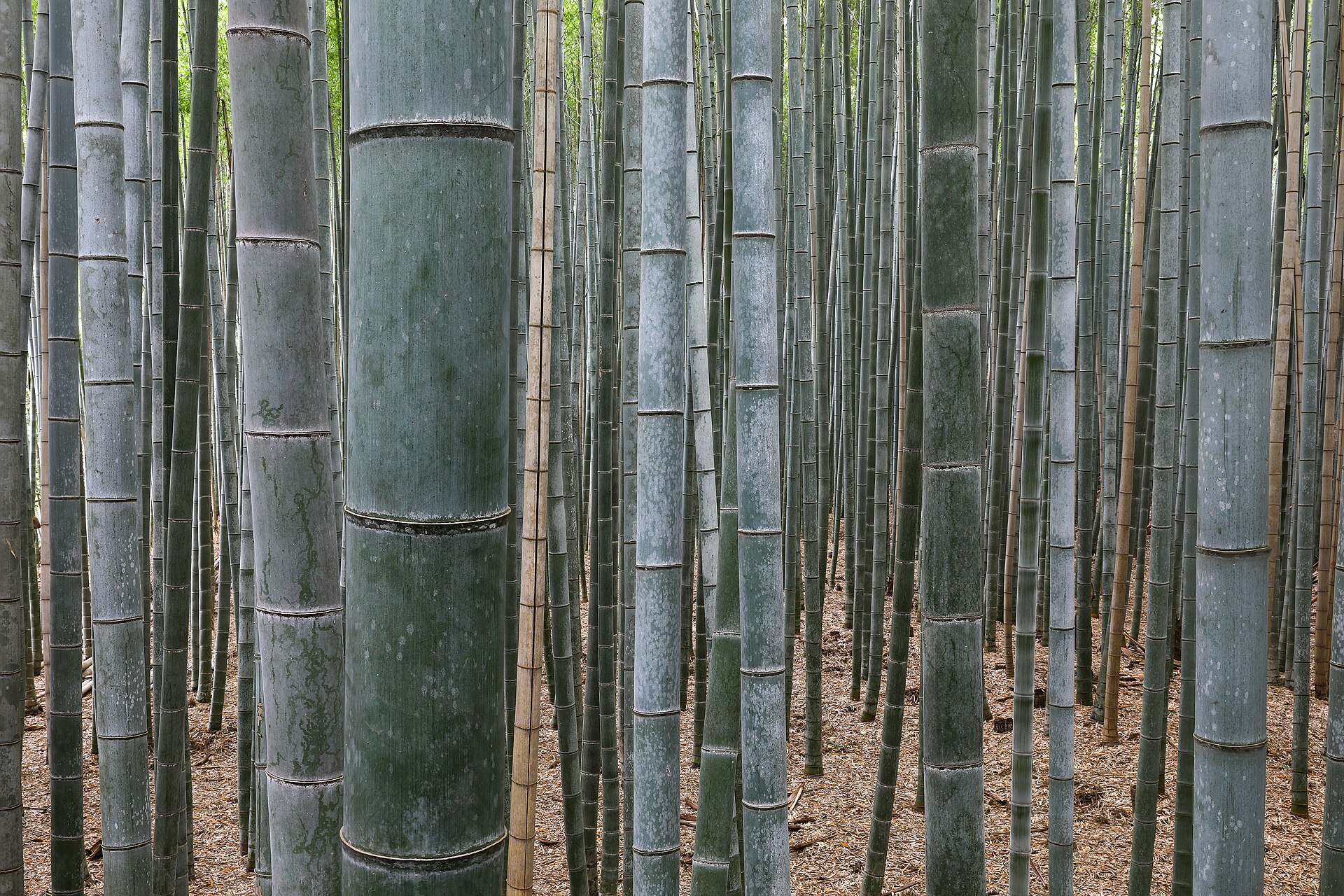
The Sagano bamboo grove in Arashiyama, where ramrod-straight stalks soar endlessly toward the sky, is one of Kyoto’s signature photo spots. Sunlight shatters through stalks tens of meters tall, and every gust of wind wraps you in the soft rustle of bamboo leaves; walking that cool green tunnel, the noise of the city vanishes as if by magic. It’s an extremely popular place, so if you want to enjoy it in peace, I strongly recommend an early morning visit. Round it out with the nearby Togetsukyo Bridge and the garden of Tenryu-ji temple, and you’ve got a perfect half-day Arashiyama course.
No. 3. Kinkaku-ji (Golden Pavilion)
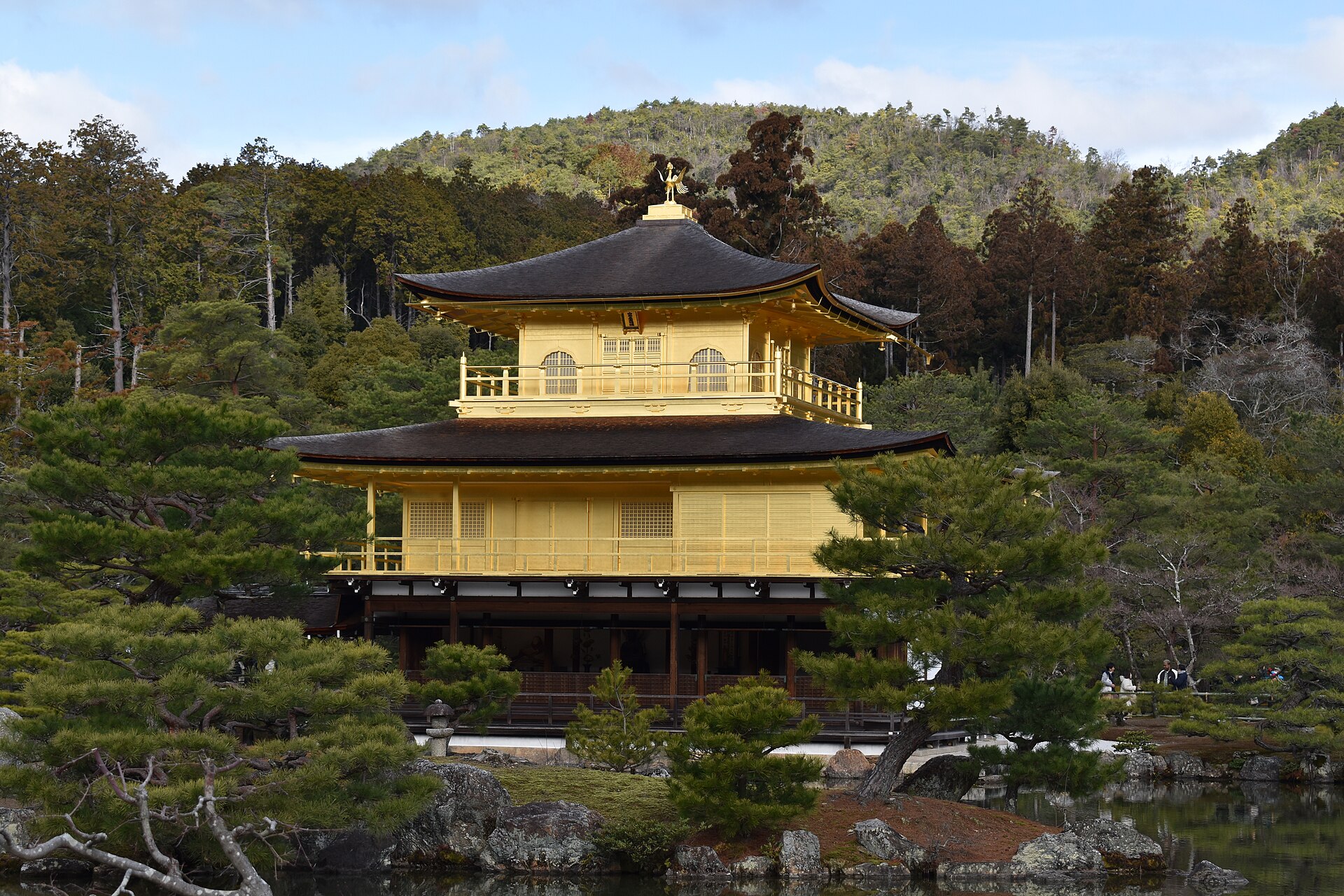
A three-story pavilion wrapped head to toe in gold leaf, Kinkaku-ji leaves the most dazzling first impression of anywhere in Kyoto. Built in 1397 as a villa for Ashikaga Yoshimitsu, its upper two floors are lavishly clad in gold. Sadly it was lost to arson in 1950 and restored to its present form in 1955. The highlight is the moment the golden pavilion mirrors symmetrically in the “Mirror Pond” out front — on a clear day you’ll see a second golden pavilion seeming to float on the water. A UNESCO World Heritage Site, it truly is the face of Kyoto.
No. 2. Kiyomizu-dera
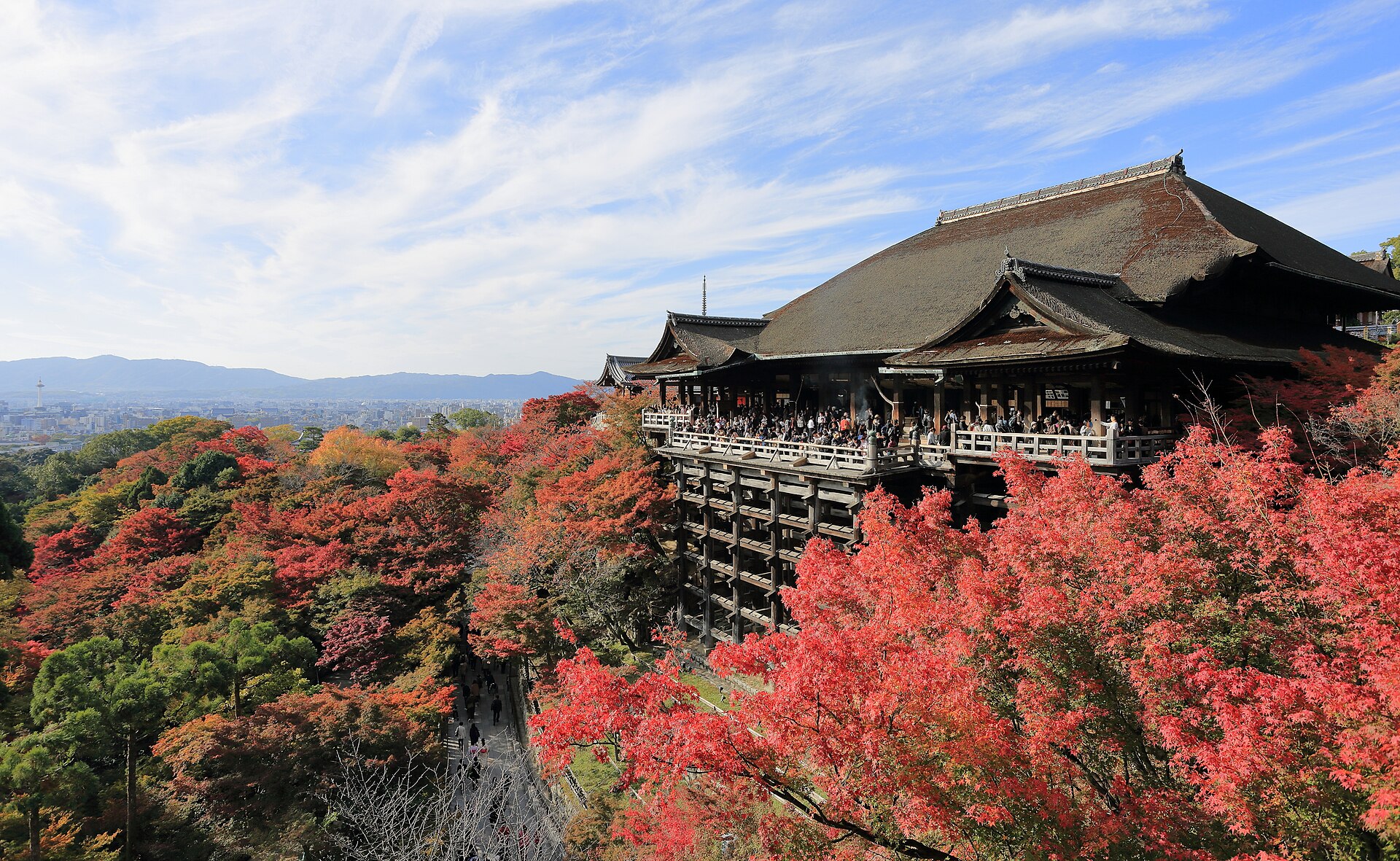
Founded in 778, Kiyomizu-dera is one of Kyoto’s oldest and most beloved temples, and another UNESCO World Heritage Site. The highlight is the famous “Stage of Kiyomizu,” a wooden platform built 13 m (43 ft) high on the hillside using only timber pillars — not a single nail. The view of the Kyoto cityscape from here, framed by spring cherry blossoms or autumn maples, instantly explains the temple’s fame. The height is dizzying enough that it gave rise to the Japanese idiom “to leap from the stage of Kiyomizu.” The three streams of the Otowa waterfall in the grounds are said to grant success in studies, love, and longevity, so it’s fun to pick one and take a sip.
No. 1. Fushimi Inari Taisha
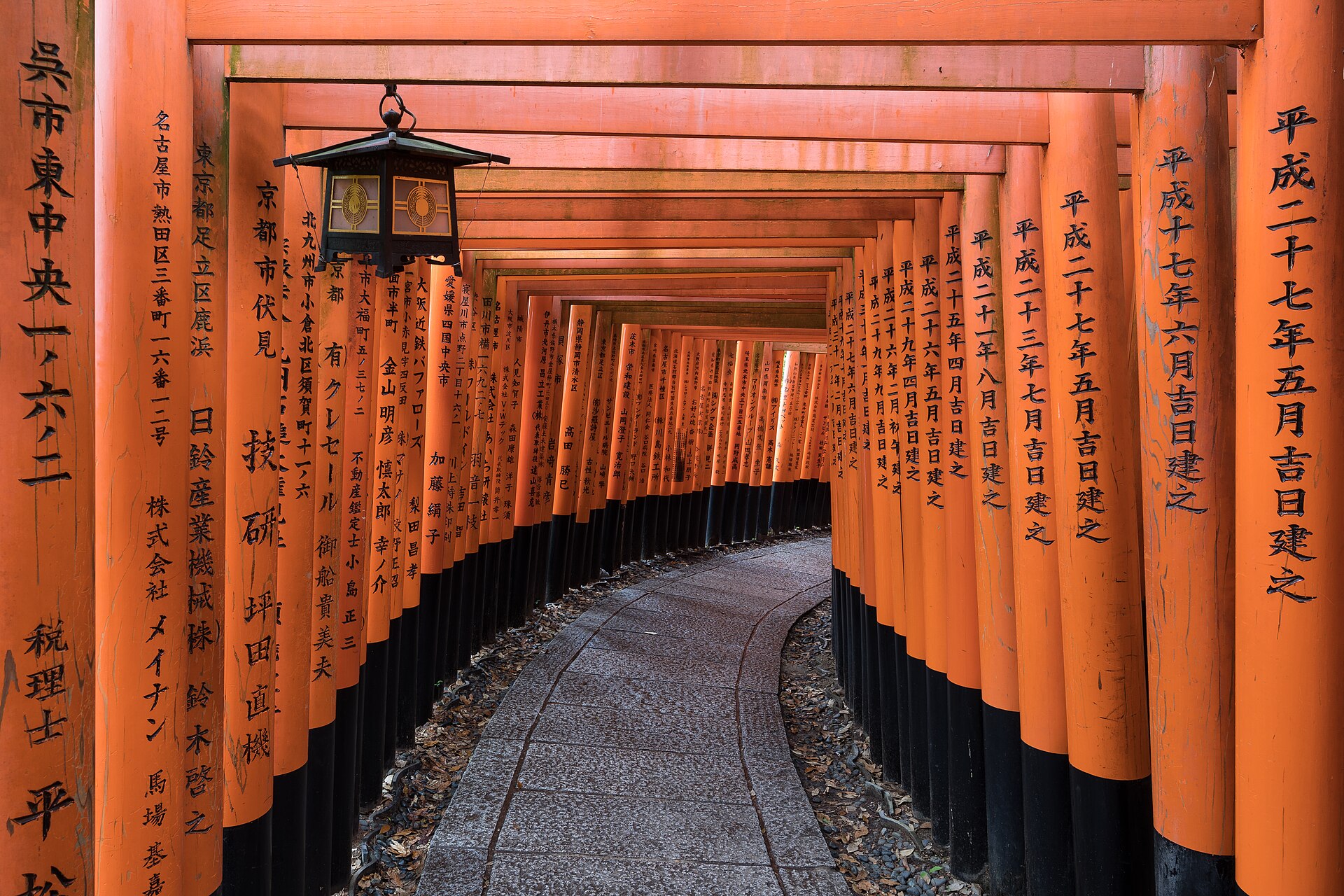
The glorious No. 1 is the endlessly winding tunnel of red torii, Fushimi Inari Taisha. Founded in 711, it is the head shrine of some 30,000 Inari shrines across Japan, and the torii donated by people praying for business prosperity and bountiful harvests number a remarkable 10,000. Walking among these “Senbon Torii” (thousand torii gates) is, without exaggeration, the climax of any Kyoto trip. The torii path continues all the way to the summit of Mt. Inari at 233 m (764 ft); completing it takes two to three hours, but even reaching the midway lookout rewards you with a fine view over the city. Open 24 hours and free of charge, it’s even more mystical if you visit in the early morning or at night.
And that wraps up our tour of the 10 best attractions in Kyoto — how did you like it? From the deep atmosphere of a thousand-year-old capital to postcard-perfect scenery, Kyoto is a wonderfully charming city that shows a different face at every step. The ranking is entirely my own personal taste, so please take it just for fun, and I hope it helps a little as you plan your very own Kyoto itinerary. See you next time with more travel tips!