
The 10 Most Populous Countries in the World
The 10 Most Populous Countries in the World

As of 2023, South Korea’s fertility rate stood at just 0.72—a strikingly low figure. Excluding countries that have already disappeared or are on the verge of doing so, it’s said to be the lowest birth rate in the world. Since no OECD member, let alone a developed nation, has ever recorded a rate this low, it’s considered highly unusual. Yet regardless of South Korea’s numbers, the global population continues to climb steadily.
According to the Indian daily The Indian Express, the world’s population was 7 billion in 2011, but it’s projected to reach roughly 8.5 billion by 2030 and 9.7 billion by the late 2050s. The drivers include longer life expectancy, increasing urbanization, large-scale immigration, and economic development. India, which reported these figures, is in fact the most populous country in the world. So which countries fill out the ranks from 2nd to 10th, and what factors are behind their large populations? Let’s take a closer look.
※ This data references Worldometer, compiled from the 2023 United Nations Population Division figures.
Table of Contents
The 10 Most Populous Countries in the World!
#10 Mexico [128,455,567 / ~130 million]

The 10th most populous country in the world is Mexico, in North America. Rich in resources and manpower and a perennial favorite among tourists, Mexico is undeniably one of the world’s more compelling countries. Its population density is about 171 people per square mile (66/km²)—strikingly low compared with a dense city like New York, which packs in roughly 27,700 per square mile. A large population paired with low density means the country has plenty of land. Mexico’s median age is also quite young at 29.8. Often passed over by travelers because of its reputation for crime, Mexico turns out, surprisingly, to be a country with a promising future.
#9 Russia [143,918,544 / ~140 million]

As you well know, Russia is one of the countries with the largest territory in the world. With all that land comes a large population, too. Ranked 9th, Russia had about 143 million people as of 2023, but data from July 28, 2024 puts it at 144 million—a steady upward trend. Russia accounts for 1.8% of the world’s population, with a fertility rate of 1.54. It’s a rather interesting set of figures: even as the growth rate keeps declining, the population itself keeps rising.
#8 Bangladesh [172,954,319 / ~170 million]
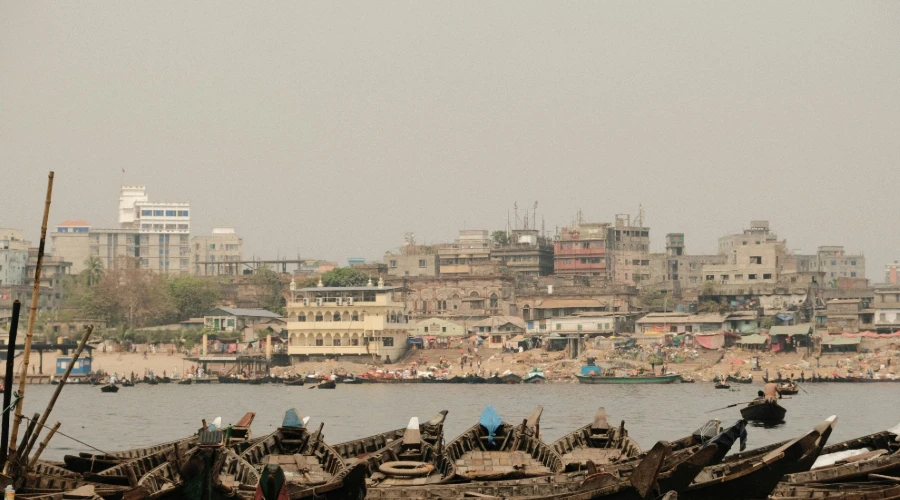
Bangladesh’s population growth is astonishingly steep, with roughly 2 million new people added every year. That’s how it earned the 8th spot. Famous for its high population density and poor air quality, Bangladesh accounts for 2.15% of the world’s population, and of these, about 300,000 emigrate to other countries each year. Meanwhile, 40.9% of the total population lives in cities.
#7 Brazil [216,422,446 / ~210 million]
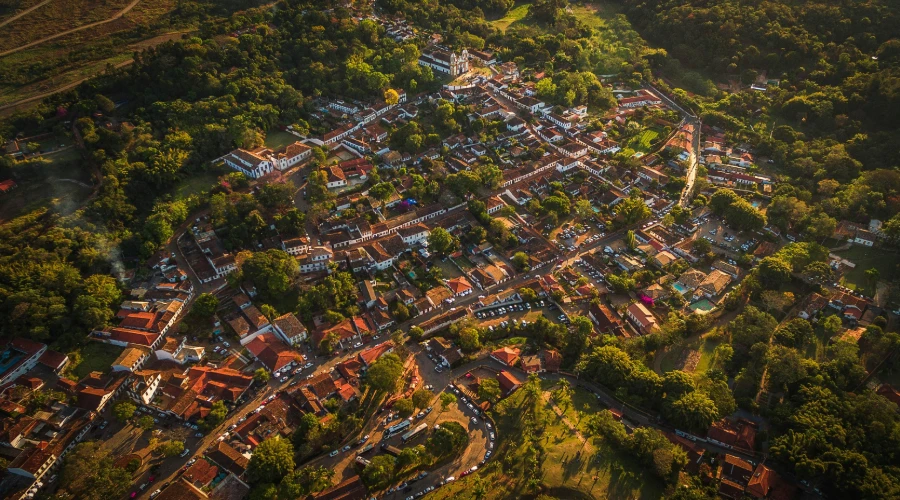
Brazil, the fifth-largest country in the world by territory, came in 7th. Its population was about 216 million as of 2023 and about 217 million as of July 28, 2024. If it keeps growing at this pace, Brazil’s population is projected to reach about 230 million by 2050. That said, its infant mortality rate sits at a higher-than-expected 10.3 per 1,000.
#6 Nigeria [223,804,632 / 220 million]
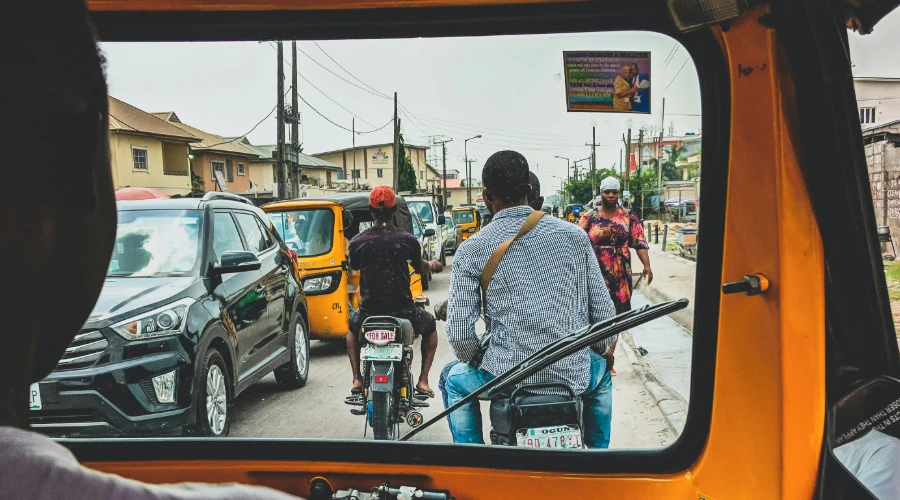
The 6th most populous country is Nigeria. Located in West Africa, the country is said to be roughly half Muslim and half Christian. Nigeria’s total population makes up 2.78% of the world’s, and 53.9% of its people live in cities. Considering that the countries mentioned earlier have 70–90% of their populations in cities, you could say Nigerians don’t particularly favor urban living. What’s surprising is Nigeria’s median age of just 17.2—extremely young. Perhaps for that reason, its life expectancy isn’t especially high, at 53.87 years.
#5 Pakistan [240,485,658 / 240 million]
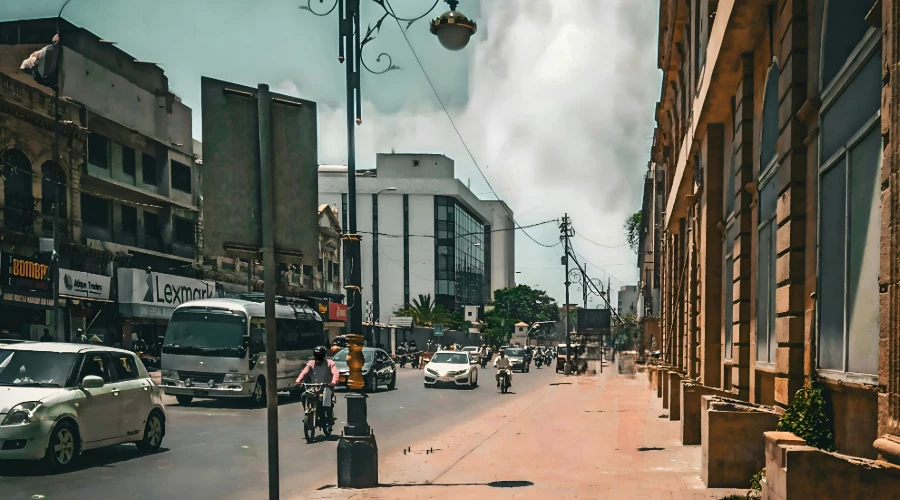
Pakistan, in South Asia, ranked 5th. Its population was about 240 million as of 2023, but as of July 29, 2024 it reportedly reached 245 million—a remarkable jump of 5 million in a single year, accounting for 2.99% of the world’s population. Like Nigeria, it has a very young median age, at 20.6.
#4 Indonesia [277,534,122 / 270 million]
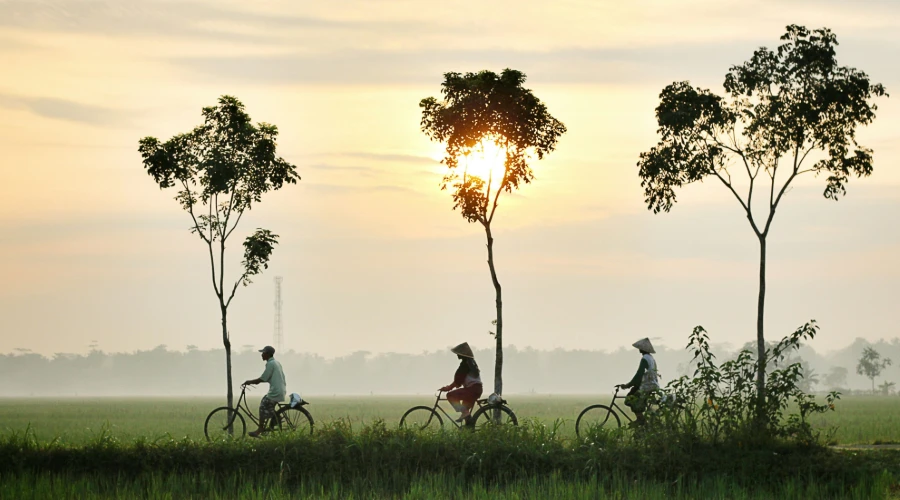
The 4th most populous country is Indonesia. Despite abundant resources, a strong national power base, and vast territory, Indonesia is seen as a country that has struggled with economic development due to religious tensions. Its population was about 277 million as of 2023 but stands at 279 million as of July 29—an increase of roughly 2 million. Indonesia makes up 3.45% of the world’s population, and about 50,000 of its people emigrate each year. The most popular destination for Indonesian emigrants is, fittingly enough given the similar name, Malaysia.
#3 United States [339,996,563 / 330 million]

The 3rd most populous country, where the numbers suddenly grow exponentially, is the United States—and it’s the first developed nation we’ve seen in a while. The U.S. population was tallied at about 333 million in 2023, but as of July 29, 2024 it has reached 341 million—a staggering increase of 8 million in just one year. The reason the U.S. population is so large is its well-developed culture of welcoming and embracing immigrants. In fact, from 2022 through 2024, U.S. immigration has been recorded at a million people a year, and since most are of working age, their value is considered very high. It seems the U.S. simply can’t help but keep developing!
#2 China [1,425,671,352 / 1.4 billion]

This is another segment where the numbers rise sharply. The 2nd most populous country is, surprisingly, China. Why surprising? Because I’d naturally assumed China would be number one. China once made headlines by drastically cutting multi-child benefits and even levying extra taxes in order to curb its population—and when that caused the population to fall sharply, it scrapped those policies and is now expanding multi-child benefits instead. As of 2023, this country—now worried about a shrinking population—had about 1.42 billion people, a 0.02% decrease from 2022. Even so, it still accounts for roughly 17% of the world’s population.
#1 India [1,428,627,663 / 1.4 billion]
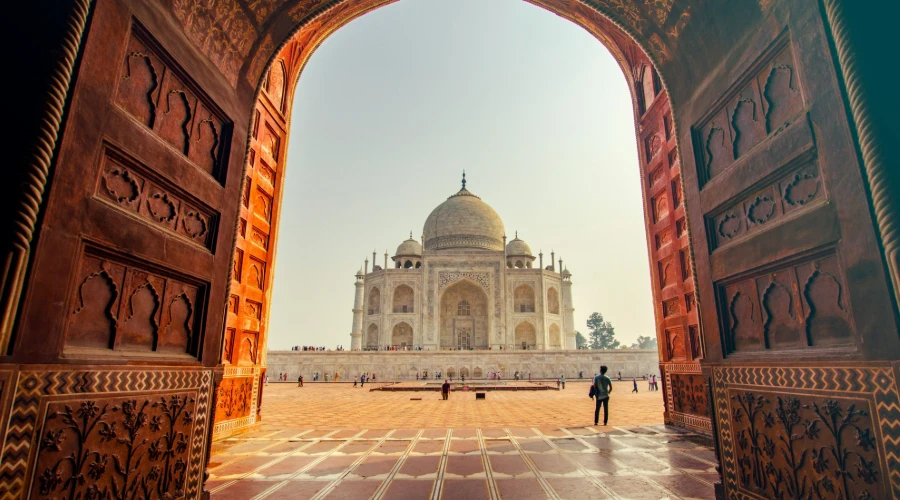
The most populous country in the world is India. With vast territory, abundant resources, tourism appeal, and a huge population all in its favor, India is, remarkably, still growing at a steep clip. Its population was about 1.42 billion as of 2023 but stands at 1.44 billion as of July 29, 2024—an increase of 20 million in a single year. Its median age, at 28.2, is also very young.
The reason India—where a deeply rooted caste system still persists—can sustain such a large population is that, it’s said, the more children you have, the higher your odds of success. For example, if one of five children does well and makes it to the United States, that one person can earn enough to support the entire remaining family. At the same time, it’s a way to attain wealth regardless of a low-born status. It does make you wonder whether it places too heavy a burden on that one child… but everyone has their own circumstances, so it’s not entirely hard to understand!
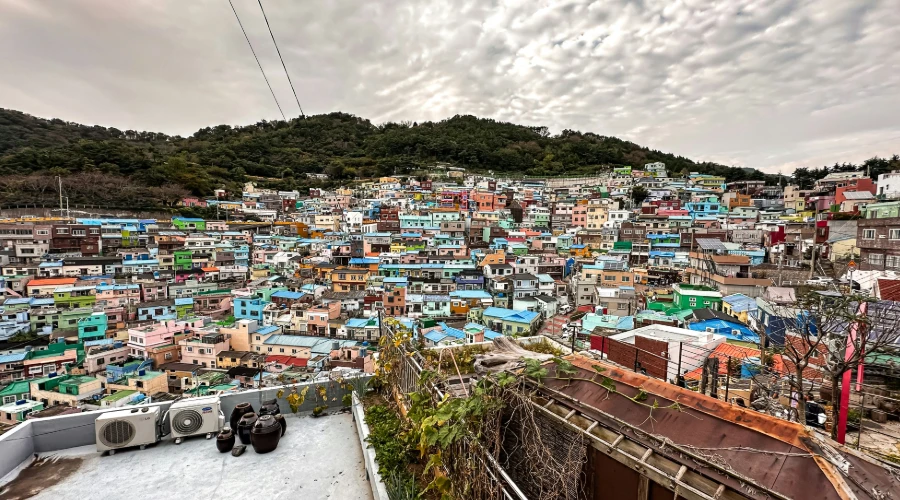
By now many of you are probably wondering: where does South Korea rank? As of 2023, South Korea’s population was about 51 million, placing it 29th—and it was actually higher then than it is as of July 29, 2024. Its median age, at 44.5, is on the older side, and reports keep warning that the higher the median age, the dimmer a country’s future. Given that neighboring Japan’s median age is 49.1, South Korea, too, seems destined to enter an aging-society era before long. Here’s a small wish that the birth rate ticks up, even just a little.