
7 Types of Vegetarians: Traits by Level & Finding the Diet That Fits You
Types of Vegetarians & Their Traits by Level

A vegetarian is someone who limits animal-based foods and mainly eats plant-based foods like fruits, vegetables, and grains. There really are a great many vegetarians in the world, and they generally choose this kind of diet for health reasons, religious reasons, or for the sake of animal welfare. But not all vegetarians completely exclude animal-based foods. Animal-based foods also include dairy products derived from animals, and if you forbid even those, the products you can eat become extremely limited.
For reasons like these, types of vegetarians are also divided into 7 levels. If you’re considering vegetarianism, check out the levels below and find the eating habits that suit you.
Table of Contents
The 7 Levels of Vegetarians
1. Flexitarian
Vegetarian type: Flexitarian
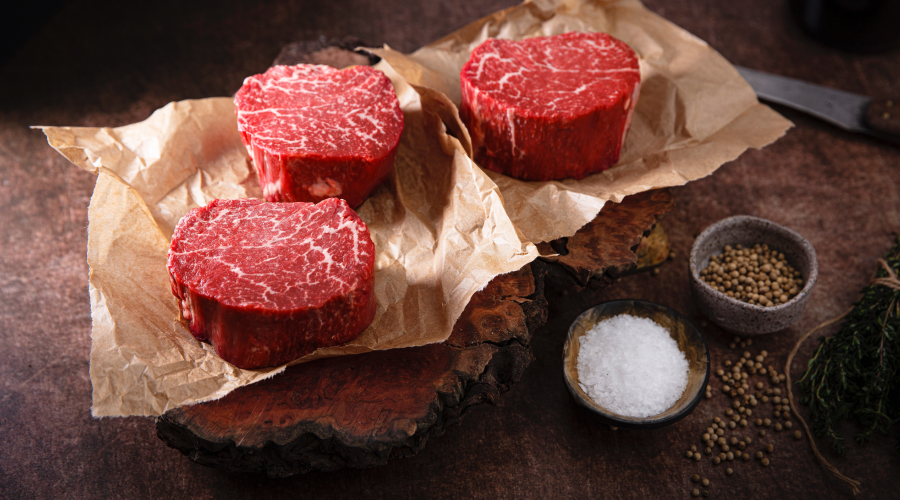
The flexitarian is the most flexible level among the types of vegetarians. As it’s called “semi-vegetarianism” or “flexible vegetarianism,” all meat consumption is allowed. That said, since they eat meat only very occasionally and only when needed, they do at least claim (…) to be vegetarian. A trait of theirs is that they choose a plant-based diet for environmental reasons rather than health issues. Also, since people starting vegetarianism for the first time find it hard to cut out animal-based foods all at once, many begin at this level. But because they can eat all animal-based foods for whatever reason, I personally think they’re a bit removed from being vegetarian.
2. Pescatarian
Vegetarian type: Pescatarian
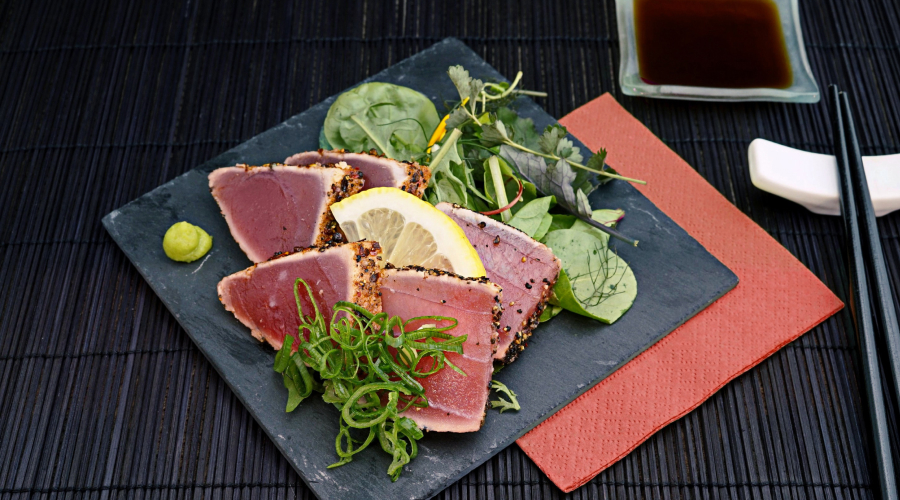
The pescatarian is a type of vegetarian who can eat fish along with eggs and dairy. Combining “pescare” (Italian for fishing) with “vegetarian,” the term pescatarian is a vegetarian level that emerged in the early 1990s. It’s a way of including fish in the diet to relatively easily get the minimum protein humans need to live. On top of that, fish is rich in omega-3 and fats, so it’s said to help with brain health too. If you want to eat plant-based but worry about protein deficiency and brain health, choosing the pescatarian level seems like a good idea.
3. Pollotarian
Vegetarian type: Pollotarian
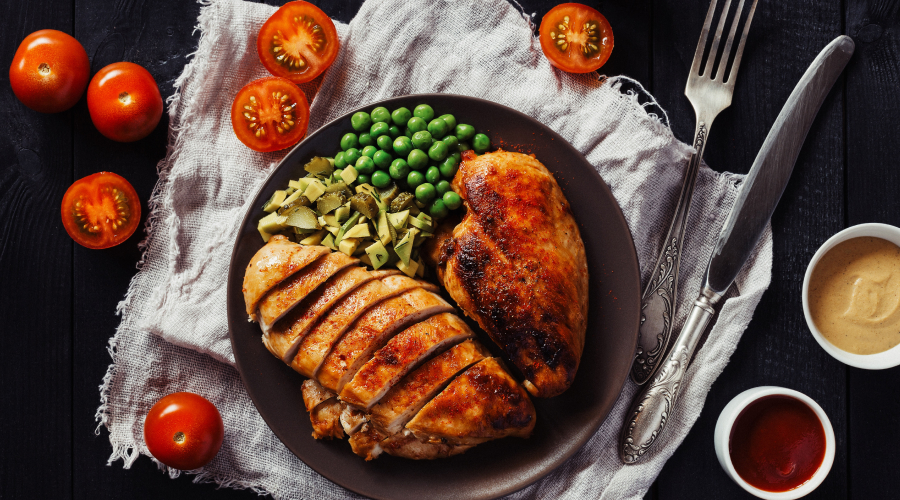
While the pescatarian described above included fish as protein, the pollotarian is a type of vegetarian who includes *poultry as protein (edible birds such as chicken, duck, goose, turkey, quail, and pheasant). Because they eat some animal-based foods, they’re classified as semi-vegetarian rather than full vegetarian. The reason they specifically choose the pollotarian path over the flexitarian one for their protein is said to be that they weigh health issues, environmental issues, and ethical issues. And here’s the part that gets a little puzzling. Is killing red meat — that is, cattle or pigs — an ethical issue, while killing chickens is not? I wonder!
4. Lacto-Ovo Vegetarian
Vegetarian type: Lacto-ovo vegetarian

The lacto-ovo vegetarian is the most common type of vegetarian, and therefore the one with the largest population worldwide. It’s a diet that doesn’t include meat but does include dairy, eggs, and honey. Since it’s the most common and has the largest population, the reasons for starting are diverse too. Most cite environmental and ethical issues, but in the Middle East, religious reasons are cited most often. It’s also said that the longer you keep up a lacto-ovo vegetarian diet, the more it can prevent or improve various conditions — these include heart function, diabetes, cancer, and gallstones. As someone who isn’t quite diabetic yet but is at the caution stage, I relate to this very much.
5. Lacto Vegetarian
Vegetarian type: Lacto vegetarian

The lacto vegetarian is a slightly smaller subset than the lacto-ovo vegetarian. It excludes meat, poultry, eggs, seafood, and fish from the diet, but does eat vegetables and dairy. The reason they choose this kind of diet is said to be religious rather than for animal protection. Hinduism and Jainism in particular favor the lacto vegetarian diet; they regard eggs and all egg-based products as animals.
6. Ovo Vegetarian
Vegetarian type: Ovo vegetarian

Also a smaller subset than the lacto-ovo vegetarian, the ovo vegetarian is a type of vegetarian who eats eggs and vegetables instead of dairy. The reason they exclude dairy is said to be the practices customary in producing milk — for example, keeping dairy cows pregnant their whole lives, slaughtering male calves, and so on. So they choose to be ovo vegetarian for animal protection rather than health. But some people choose ovo vegetarianism for another reason: those who suffer from lactose intolerance!
7. Vegan
Vegetarian type: Vegan
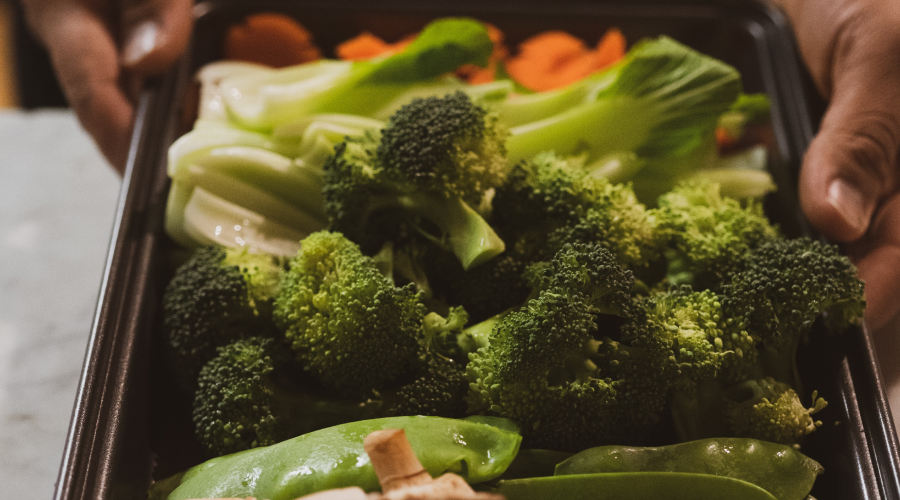
The vegan is the perfect type of vegetarian. They maintain a diet that excludes not only meat but all dairy and eggs as well. They go plant-based for ethical reasons, but also for philosophical ones. They generally argue that “humans must not use animals for any purpose whatsoever.”
As a result, they avoid animal-based products not just in their diet but in everyday life too. For example, they have the trait of not wearing bags, clothes, shoes, or household goods made of animal leather, and they don’t use products containing animal-derived ingredients like gelatin either. The intent is good, but I do wish they wouldn’t push their beliefs on others too forcefully!

Korea isn’t yet a country where vegetarians are common. Still, the trend is said to be steadily increasing every year. As evidence, restaurants for vegetarians are growing in number in more developed cities. And this is a bit of an aside, but Korea is said to be one of the good countries for eating plant-based. Even without going out of your way to be vegetarian, the diet includes a lot of vegetables, and many of the foods we commonly enjoy don’t use meat. For example, kimchi-jeon (kimchi pancake), pajeon (scallion pancake), tteokbokki, dubu-kimchi (tofu with kimchi), doenjang-jjigae (soybean paste stew), and japchae (glass noodles) can all be made flavorful with meat completely excluded, if you set your mind to it.