11 Types of Steak from Around the World
11 types of steak from around the world
At some point, steak and wine became inseparable from Christmas in Korea, too. I suspect that’s an influence from Europe and the U.S., where people celebrate a traditional Christmas. The funny thing is, Westerners don’t necessarily eat steak at Christmas. But somehow, on special days you want special food, and for us that seems to have become steak.
Because of that, lately I keep coming across ways of grilling steak, recipes, and types. Not wanting to fall behind the trend, I put this together myself — types of steak that are great to enjoy at Christmas! Let’s take a look at what’s out there.
Table of Contents
11 Types of Steak
Germany — Zwiebelrostbraten
Germany, Zwiebelrostbraten
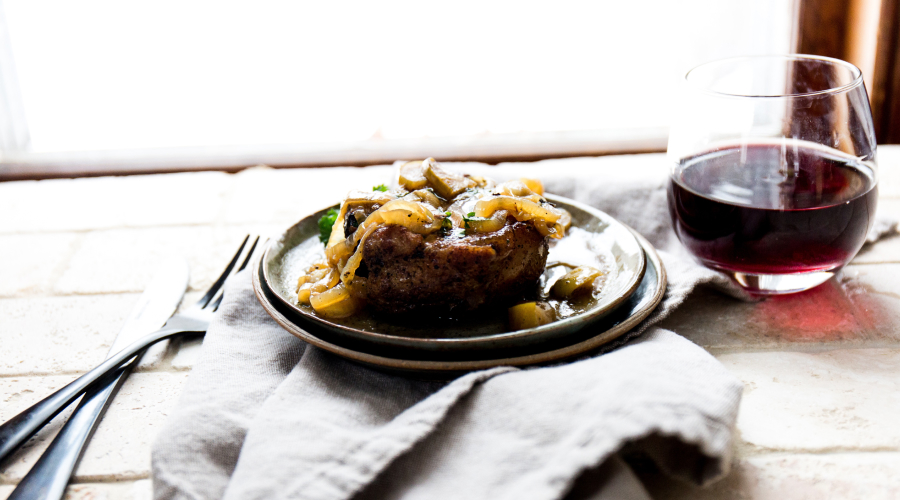
Hard even to pronounce (…), Zwiebelrostbraten is a steak that originated in Germany. With its tradition and history, it’s said to be easy to find at restaurants all across Germany and Austria. The beef is usually a sirloin cut, and the basic seasoning is just pepper and salt — but before grilling, the surface is dusted with flour and paprika powder. The finished steak is topped with a sauce of onion, traditional French mustard, and beef stock, and finished with ring-shaped fried onions. The sauce might be tricky, but a steak with flour and paprika dusted on the surface seems doable enough to try at home. Up for it? Up for it!
Italy — Tagliata di manzo
Italy, Tagliata di manzo
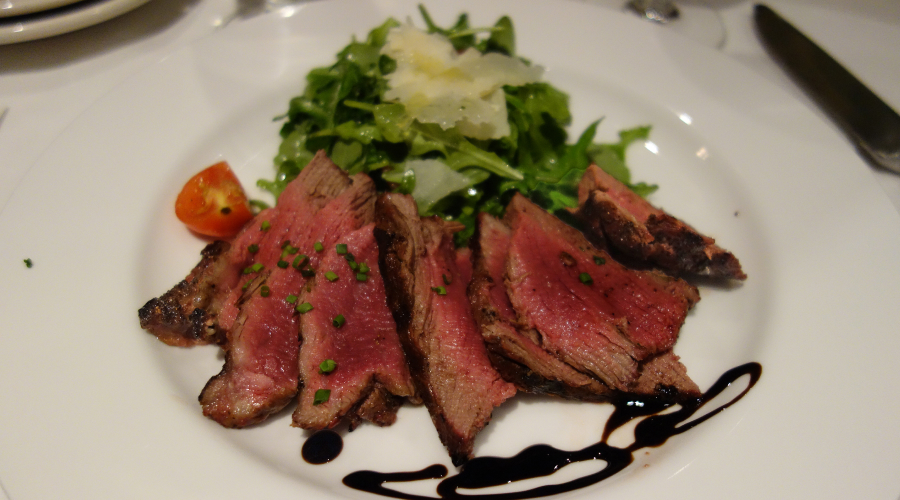
Easy to mistake for a salad at a glance, tagliata di manzo is actually a steak enjoyed with salad greens and a dressing. It may look simple, but it boasts quite a deep history within Italy and is very popular. The beef cut is sirloin, and the preferred thickness is about 1 inch (2.5 cm). You sear it on a hot pan or grill until the outside is crisp while keeping the inside around medium-rare. The cooked meat is sprinkled with salt and pepper, sliced thin, and served with salad. The dressing is an olive oil sauce with balsamic vinegar, and the vegetables are things like basil, cherry tomatoes, and arugula.
France — Châteaubriand
France, Châteaubriand
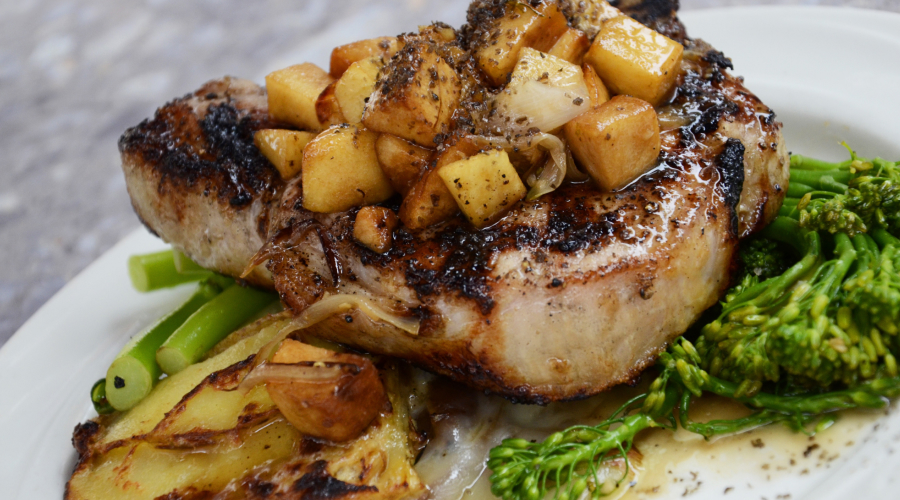
This time let’s look at the steaks of France. The first French steak I’ll introduce is Châteaubriand. Even if you don’t know much about steak, you’ve probably heard the word “Châteaubriand” at least once — because there’s a wine by the same name. Originally, Châteaubriand is also the name of a French writer and diplomat. In the steak world, Châteaubriand doesn’t refer to a single dish but is a blanket term for a dish — or method — of grilling a thick-cut beef tenderloin. So there isn’t a recipe you must follow or an ingredient you must include.
That said, in France, Châteaubriand is usually enjoyed with a red wine sauce or béarnaise sauce, often served with roasted potatoes or shallots on the side.
France — Steak au poivre
France, Steak au poivre
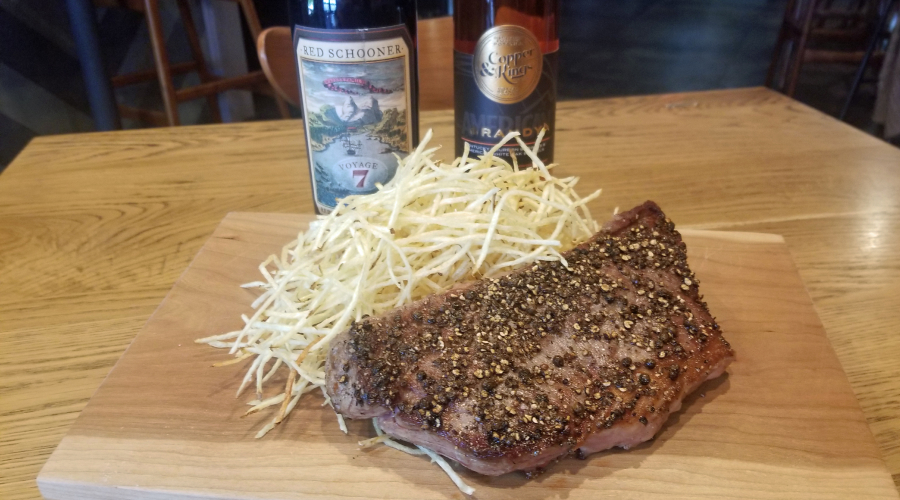
Said to have originated in 19th-century Normandy, steak au poivre is a steak commonly seen in France. As the word “poivre” means “pepper,” it’s characterized by coating the beef in crushed pepper before grilling. The key here is to circle a small amount of butter or oil and quickly cook only the surface. The inside should be nearly rare or medium-rare, and a bit of resting should happen before it goes to the table. The finished steak is enjoyed with a sauce of butter, shallots, and traditional French mustard, or one of cognac, heavy cream, and pepper. For sides, mashed potatoes or fried potatoes are popular.
Croatia — Dalmatinska pašticada
Croatia, Dalmatinska pašticada

Unlike a typical steak grilled fresh on the spot, Croatia’s Dalmatinska pašticada is distinctive for using marinated beef. The beef is steeped for several days in a sauce of vinegar and spices, then simmered with red wine or Prošek along with bacon, tomatoes, dried plums, figs, and root vegetables. Since it isn’t grilled beef, it may be hard to classify as a steak, but it’s very popular for its tender texture and sweet flavor. With so many ingredients and such a complex recipe, it’d be hard to make at home — but knowing this kind of steak exists might come in handy when you travel to Croatia someday!
USA — Steak Diane
USA, Steak Diane
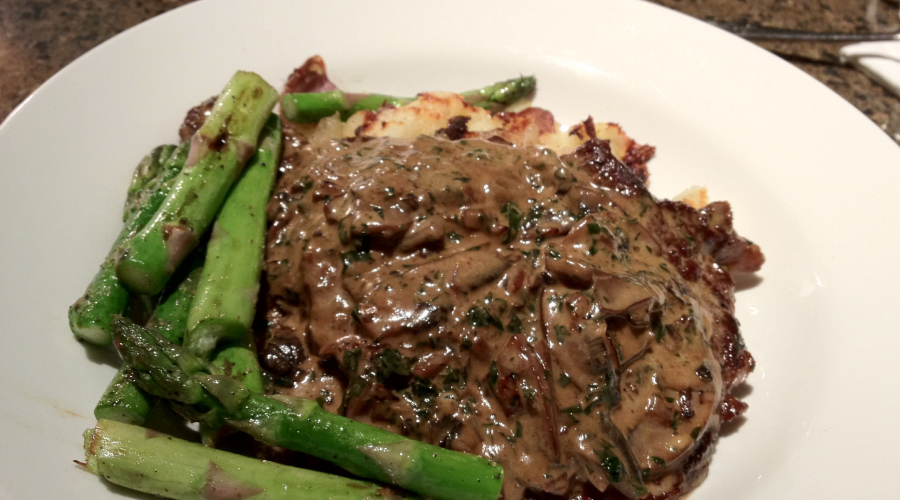
Let’s look at a steak from the U.S., which actually consumes more beef than Europe — a steak called Diane. It’s unknown exactly when the dish first appeared, but its peak of popularity was the 1950s–60s. Unlike a typical dish cooked in the kitchen and brought to the table, it’s distinctive for being cooked tableside, where you watch the cooking process. The beef cut for this steak is mainly tenderloin, and if a tender result is wanted, veal is sometimes used. The sauce is made by blending shallots, traditional French mustard, Worcestershire sauce, butter, and beef stock, with cognac added to taste.
Puerto Rico — Bistec encebollado
Puerto Rico, Bistec encebollado
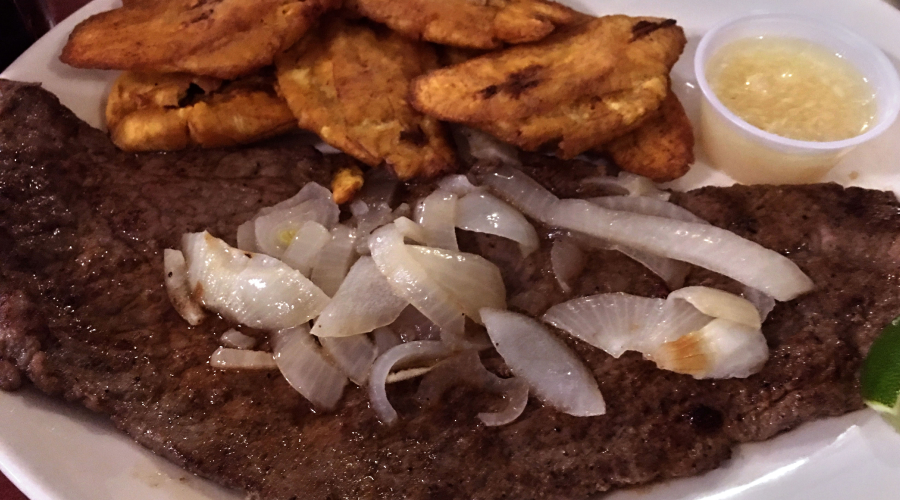
Bistec encebollado is a steak popular all across the Americas. First, the beef is marinated with adobo seasoning (adobo-spiced), then an onion sauce is added while grilling, and the finished steak is topped with grilled onion rings. The most important step here is marinating the beef in the seasoning. Since it’s left for nearly 10 to 12 hours, it brings to mind a marinated meat similar to galbi or bulgogi. It may be far from the steak we usually know, but the flavor from the marinade is said to rival top-grade beef — which makes me want to try a properly made bistec encebollado.
Brazil — Alcatra
Brazil, Alcatra
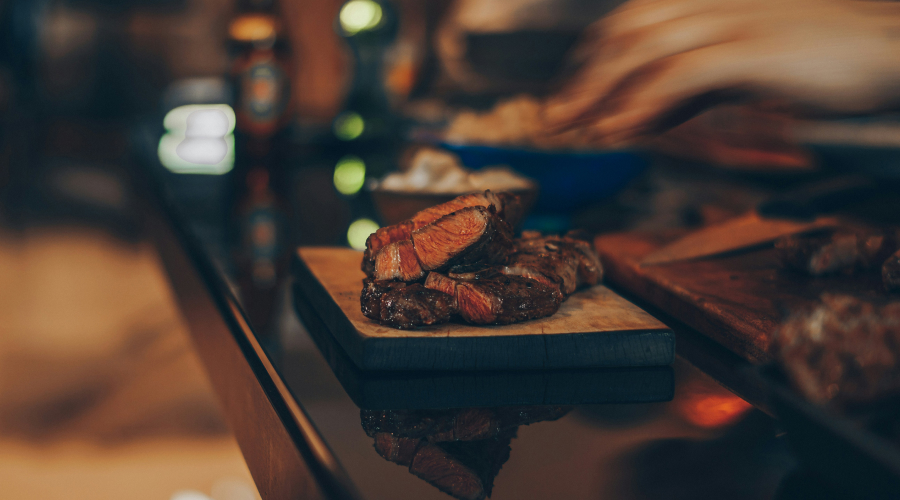
Alcatra is the most common steak in churrasco, using the sirloin cut of beef. It’s characterized by large, long pieces with little fat. As a result, it’s juicy, deeply flavorful, and lets you taste rich beef. As with most Brazilian steaks, alcatra is seasoned only with salt and then cooked slowly and at length until the surface is crisp. Before it goes to the diner’s table, the chunk of beef that was on the skewer is sliced and served right there.
Brazil — Picanha
Brazil, Picanha
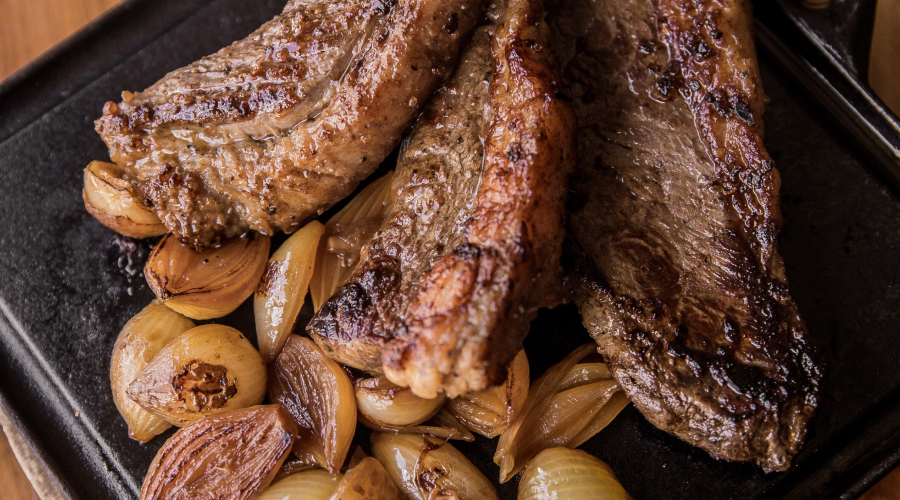
Picanha is a steak so deep in taste and flavor that it’s rated the top grade even within Brazil. The same cut is called the sirloin cap in the U.S. and the rump cap in the U.K. Picanha is the cow’s rump, and the preferred churrasco method is to sear the whole piece first, then cut it and skewer it for a second sear. Since this cut has almost no fat, it’s said to have the downside of being tricky to cook while keeping a tender texture.
Chile — Chorrillana
Chile, Chorrillana

If the typical doneness or thick texture of steak feels like too much for you, I recommend Chile’s chorrillana. Chorrillana is a dish of thinly sliced pieces of beef grilled to taste, then enjoyed with things like fried eggs, scrambled eggs, and caramelized onions. You can add or leave out as many sides as you like to taste. The most popular combination in Chile includes french fries, hot dogs, tomatoes, nachos, and sausage.
Argentina — Tira de asado
Argentina, Tira de asado
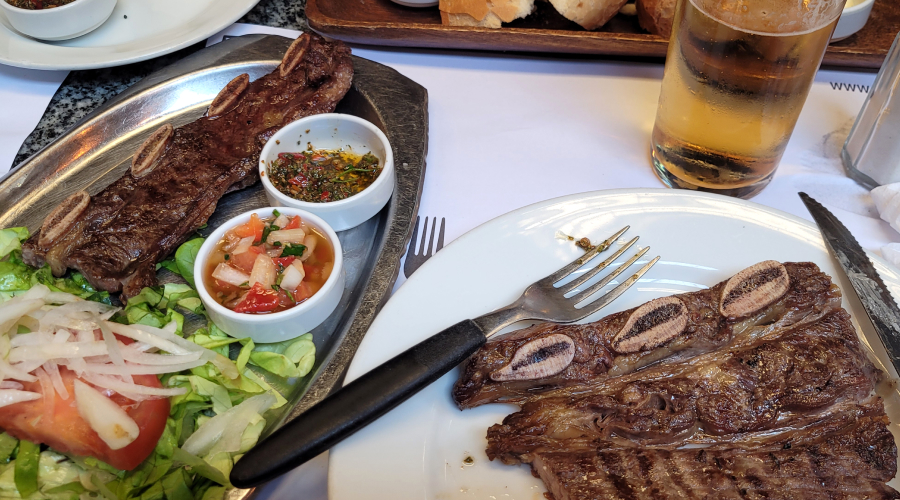
Argentina’s tira de asado looks quite similar to Korean galbi. It does in fact use bone-in short rib, and it’s distinctive for being seasoned only with salt rather than soy sauce before grilling. Unlike a typical steak that’s seared quickly on the surface over high heat, tira de asado is cooked slowly and at length. The finished steak is enjoyed with a garlicky chimichurri sauce.
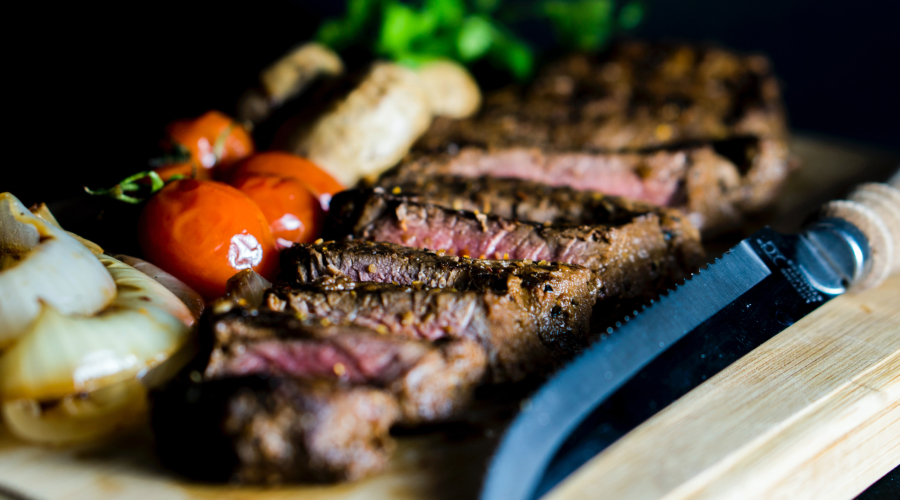
Many of you probably expected North American recipes from a steak roundup, but unfortunately North America didn’t come up much in the popularity rankings. Just a few years ago there seemed to be plenty of American steak types, but checking again recently, Europe had more. It’s probably because the recipes are traditional and far more complex. As a result, I’m sorry I couldn’t recommend dishes that are easy to make at home…… but I researched it diligently, so I hope you’ll remember that these kinds of steak exist. This knowledge might come in handy again when you travel abroad someday!