Aurora Travel: Best Times & 9 Top Destinations for the Northern Lights
When & Where to Travel for the Aurora
The aurora, a natural phenomenon you absolutely must see before you die, appears when charged particles from the sun ionize the atmosphere high above the polar regions. Also called the northern lights, this phenomenon mostly occurs in the upper atmosphere, so it’s not something you can commonly encounter in life. The aura that shines in all sorts of colors is so mysterious and beautiful that many people are said to shed tears or be left awestruck when they actually see it. That’s why it’s also known as one of the world’s seven natural wonders.
It’s my dream, too, to watch the aurora in Iceland with my son and daughters someday if I get the chance. But besides Iceland, there are many places to travel for the aurora. Today, join me in exploring when to go and the best places to see it!
Table of Contents
9 Aurora Destinations & When to Go
Greenland, Kangerlussuaq
Greenland: Kangerlussuaq
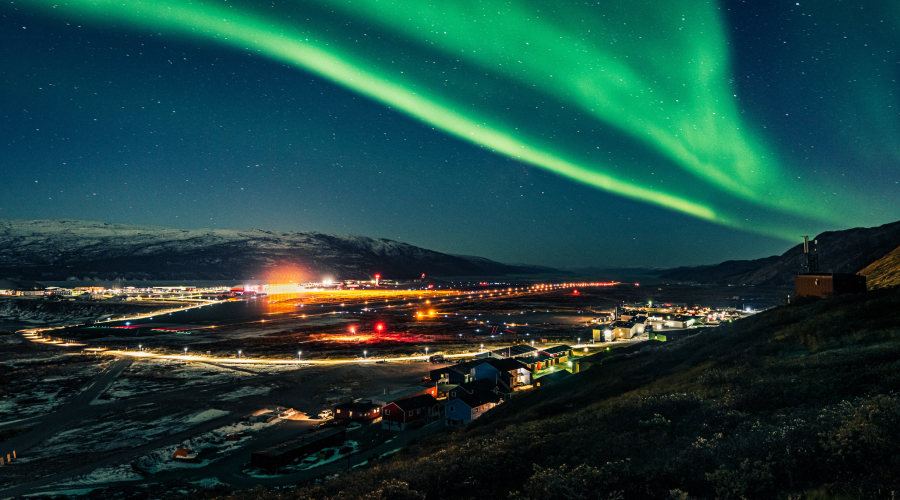
The first aurora destination I’ll introduce is Kangerlussuaq in Greenland. This unfamiliar-sounding place names September through the following April as the season to travel for the aurora. You can actually observe the aurora anywhere in Greenland, but the reason I recommend Kangerlussuaq is that it has the only international airport. Which means it’s extremely accessible for travelers. Also, according to records, the aurora is observed in Kangerlussuaq as many as 300 days a year. Since you can see the aurora without much difficulty whenever you go, it’s a hugely popular destination.
Norway, Tromsø
Norway: Tromso
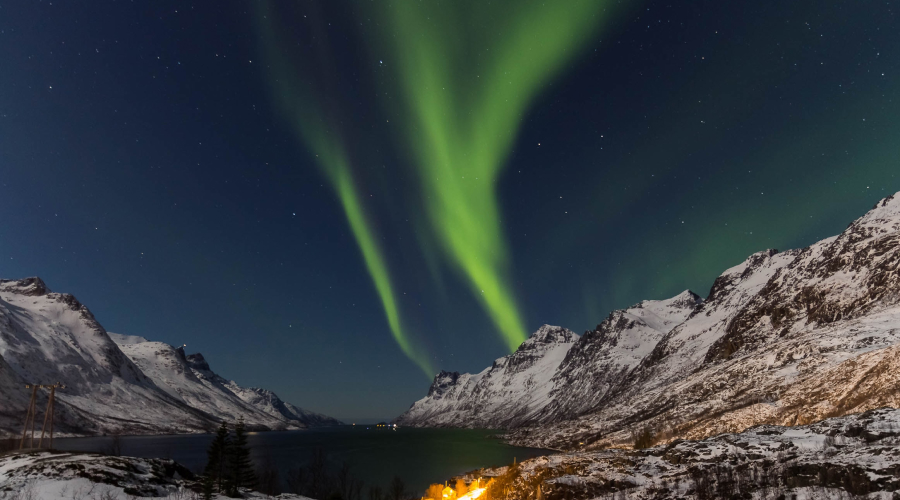
Tromsø is the largest city in northern Norway. Because of that, you might think it’s not a good spot for aurora viewing. However, if you choose winter as your aurora travel season, the daylight hours aren’t long, so you can actually observe a clearer, brighter aurora. Since it’s such a popular aurora destination, experiences like boat cruises, dog sledding, and skating are also available. And being close to the city center, it’s highly accessible and you’ll have no trouble choosing accommodations. If the aurora isn’t the sole purpose of your trip, choosing Tromsø in Norway seems like a great option.
Sweden, Abisko
Sweden: Abisko
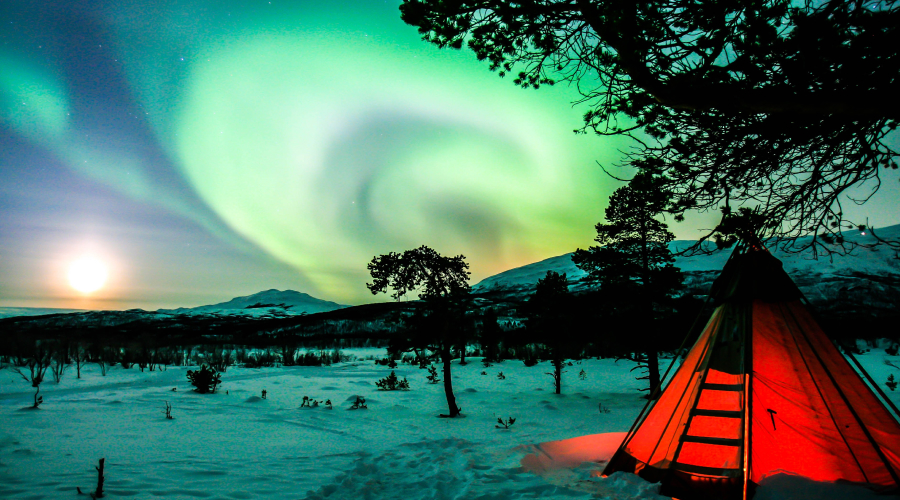
While most northern lights are teal or green, a distinctive feature of Abisko’s northern lights in Sweden is that they take on a variety of colors — green, purple, red, yellow, and more. So even people who’ve already seen the aurora are said to head to Abisko to see more colorful waves. Abisko’s aurora travel season is cited as September through the following April, but the most ideal period is October through the following March. Good places to observe the aurora include Abisko National Park and the Kiruna mountains; with almost no light, these two spots allow for clear aurora viewing.
Scotland, Highlands
Scottish: Highlands
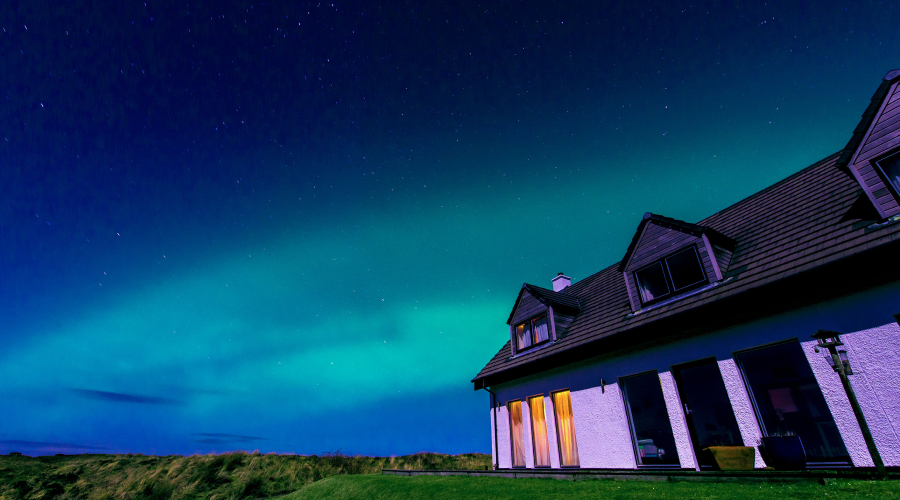
Many people think of Loch Ness when they hear of the Scottish Highlands. But it’s also said to be a great region for observing the northern lights. In Scotland the aurora is called the Mirrie Dancers, and the best spots include Cairngorms National Park, Galloway Forest Park, Shetland, Angus, Lewis, and Aberdeenshire. As for the aurora travel season, it’s March and April, and September and October. Among those, it’s best to avoid the times when there’s a full moon.
Iceland, Jökulsárlón
Iceland: Jokulsarlon
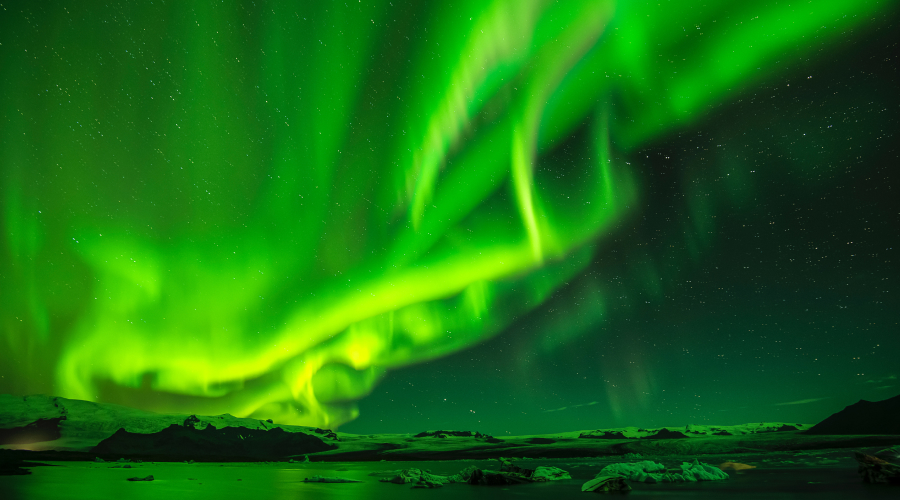
Iceland actually allows for aurora observation in most of its regions. But if I had to pick one, I’d like to recommend Jökulsárlón. The reason is that boat trips are possible, you can observe a lagoon with floating glaciers, and the northern lights you see here are even more fantastic. The aurora travel season for Iceland’s Jökulsárlón runs from September through the following April, but observation is relatively difficult on days full of rain, snow, or clouds, so it’s best to time your visit well. Other places in Iceland where you can observe the northern lights include Reykjavík, Landmannalaugar, Vík í Mýrdal, Vatnajökull, and Þingvellir. Just looking at the place names, I could tell the Icelandic language is hard, haha.
Estonia, Saadjärv
Estonia: Saadjärv
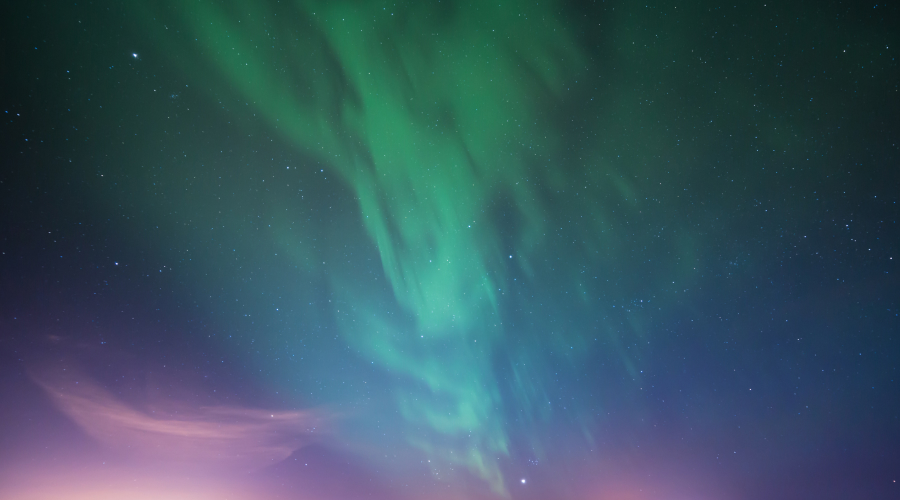
Estonia has several places where you can observe the northern lights, and one spot where you can see them consistently is Saadjärv. This place, whose name feels unfamiliar, is said to be an aurora-viewing area not widely known even abroad, let alone to me. Because of that, you can enjoy the northern lights far more leisurely and quietly than elsewhere. And while Saadjärv’s aurora travel season is cited as September through the following April, the best chances are said to be in winter rather than autumn.
Finland, Lapland
Finland: Lapland
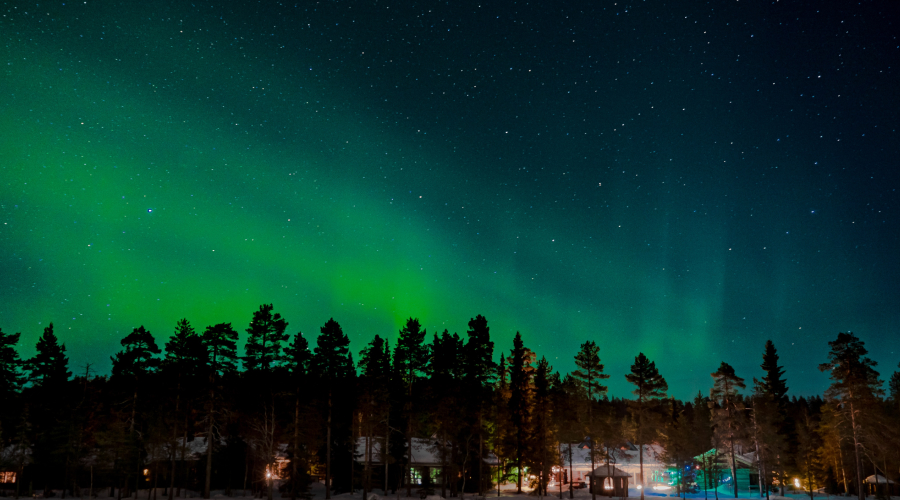
You simply can’t talk about aurora destinations and leave out Finland, because Finland is a country that takes aurora viewing very seriously. Finland, too, allows for aurora observation in most regions, but if I had to name one, there’s Lapland. Among its cities are Rovaniemi, Kittilä, Saariselkä, and Kemi. These places offer lodging and packages designed to make the aurora easier to observe. Lapland’s aurora travel season is so generous — about 200 days a year — that the northern lights are easy to see. That said, it’s best to avoid June through August, which fall in the height of summer.
USA, Alaska
USA: Alaska
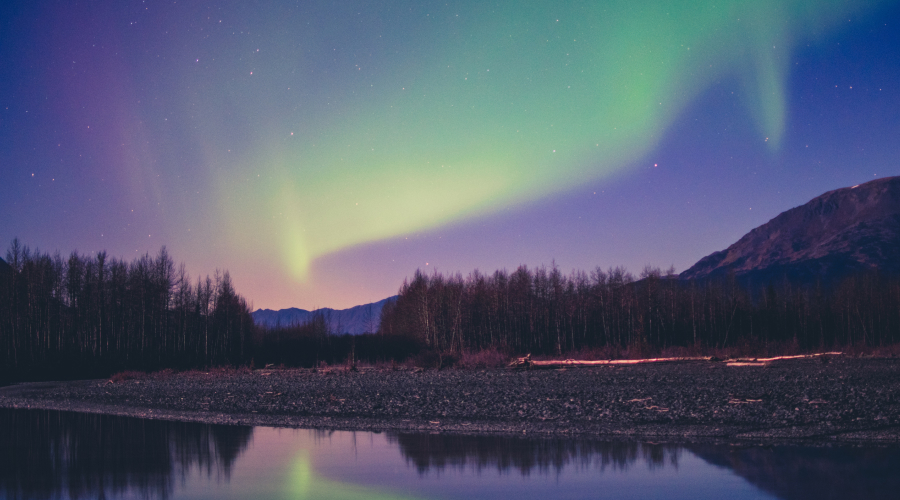
Alaska in the USA is also a great region for enjoying the northern lights. Among its areas, Fairbanks allows for aurora observation from late August through mid-April. Because it boasts clear skies with hardly any rain, snow, or clouds, you can reportedly see the northern lights on 4 out of every 5 days. You can also enjoy nighttime ice fishing, snowcat tours, dog sledding, and more in the surrounding area, so the time spent waiting for the aurora won’t be boring at all!
Canada, Yellowknife
Canada: Yellowknife
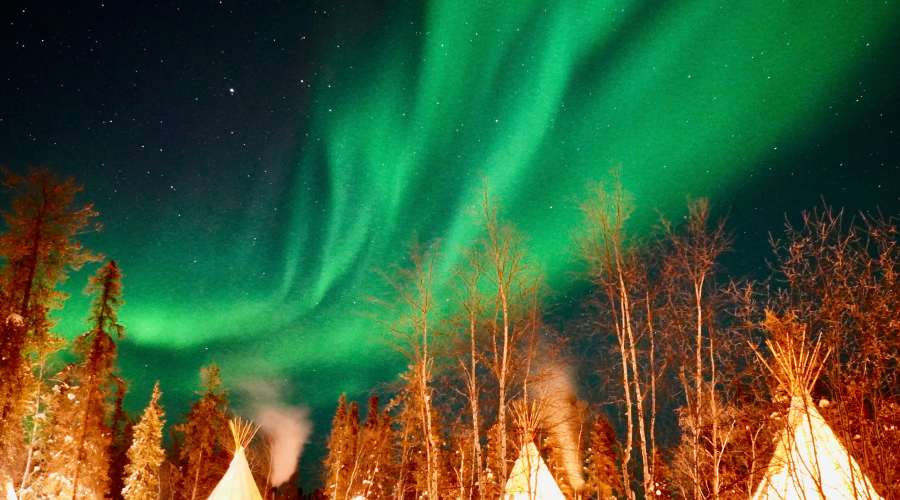
The last aurora destination I’ll introduce is Yellowknife in Canada. The harsh cold and freezing temperatures may make you huddle up, but it’s said to be a place where you can observe the aurora about 240 days a year. If I had to pick the best aurora travel season among them, it’s from mid-August through September, and from November through the following April. Planning an independent trip is fine, but if you want a relatively comfortable and safe tour, booking a package is also an excellent option. Once you book a package, you can observe the northern lights in the popular “Aurora Village” and enjoy all sorts of experiences and activities too.
Until I looked into the best aurora destinations and travel seasons, I’d been insisting on independent travel. I’d never been on a package tour, and the reviews always seemed bad. But after looking into it this closely, I find myself thinking a package might be nice too. For one, to observe the aurora you have to travel in winter, and I didn’t think I could pack enough gear to overcome that cold. Also, no matter how commonly you can see the aurora, to witness a fantastic, beautiful, forever-memorable one, they recommend staying in one spot for several days. I wonder whether someone like me, weak against the cold, could really endure that, haha.