6 Types of Belgian Waffle That Look Alike but Aren’t
6 types of Belgian waffle
What comes to mind when you think of Belgium? If you’re a drinker, probably beer; if you love sports, probably soccer. But since I’m into neither alcohol nor soccer, the first thing that comes to my mind is Belgium’s signature dessert — the waffle. Also called gaufre or gauffre, the waffle is a bread/dessert made by grilling a flour-based batter into a checkered pattern. It’s so popular and well known that you can find waffles just about anywhere in the world.
That said, while Americans enjoy waffles for breakfast or brunch, Belgium — the home of the waffle — more often eats them as street food and snacks. This is because the use varies with the batter and the shape. This time, let’s look at six types of Belgian waffle together.
Table of Contents
6 Types of Belgian Waffle
1. Gaufre / Gauffre
Gaufre
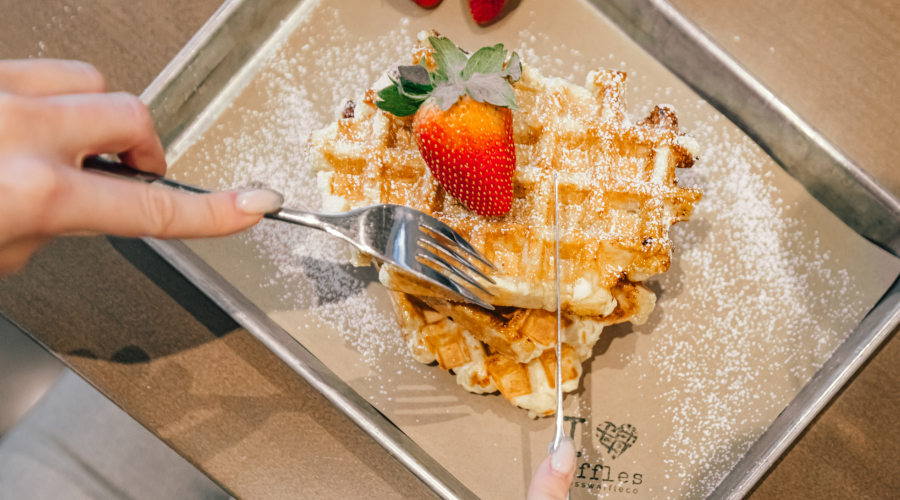
The first type of Belgian waffle I’ll introduce is the gaufre, or gauffre. The name may be unfamiliar, but you can think of it as the most common kind of waffle we see around us. It’s characterized by being soft, tasty, and richly flavored. It also splits broadly into two types depending on the batter: one is a low-density batter and the other a high-density batter.
First, the low-density batter, when grilled, has well-defined, tight ridges and clean edges. It takes a nearly perfect rectangular shape and is more often enjoyed as a snack than a meal. By contrast, the high-density batter, when grilled, has more thickness, a chewy texture, and irregular edges. Since it mainly uses a cake-like batter, it’s said to be a waffle better suited to a meal than a snack.
2. Liège Waffle / Gaufre de Liège
Liege Waffle
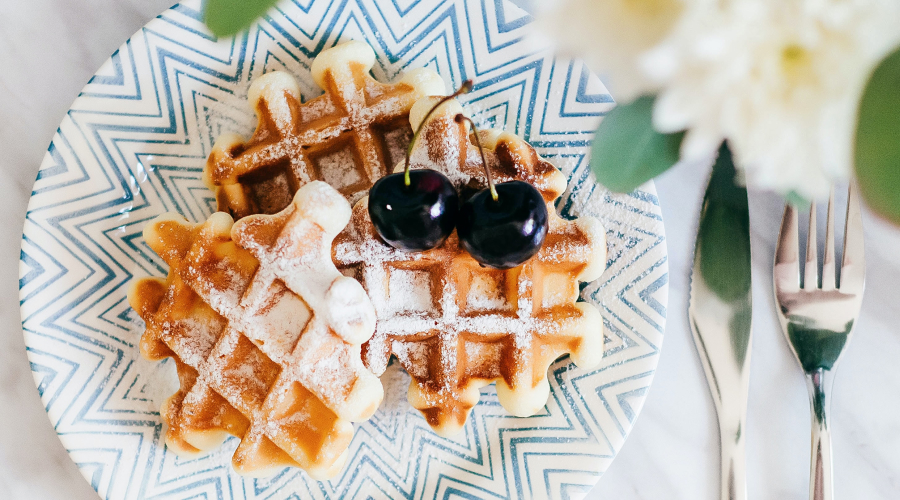
Among Belgian waffles, the Liège waffle uses a high-density batter. It’s characterized by a chewy texture and an uneven shape. The batter blends flour, yeast, milk, eggs, butter, and sugar, with the distinctive addition of pearl sugar. When the pearl sugar melts during baking, it gives off a caramel-like aroma and flavor. The origin of the Liège waffle isn’t clear, but it’s thought to have been influenced by French desserts. The finished waffle is sometimes eaten on its own, but is also served with powdered sugar, whipped cream, chocolate, or fruit.
3. Belgian Waffle / Brussels Waffle
Brussels Waffle
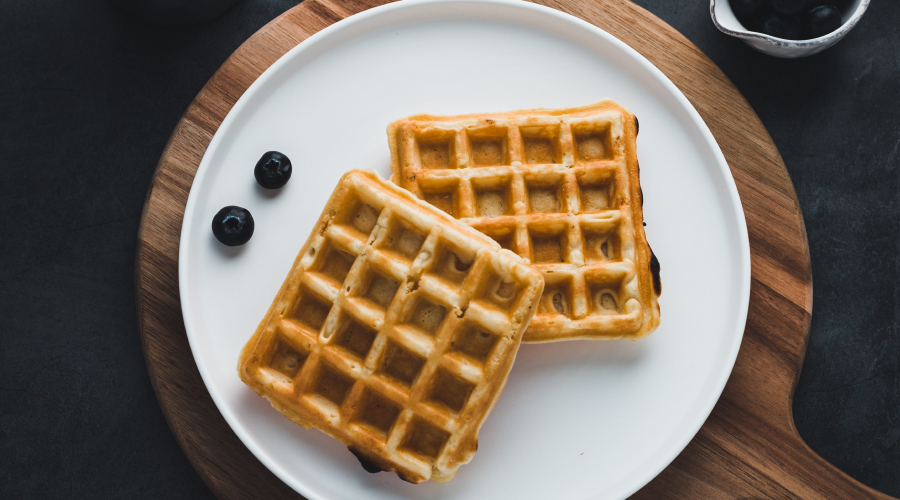
The Brussels waffle is a low-density type among the gaufres. It’s known as the most popular waffle in the world and, as mentioned above, takes a nearly perfect rectangular shape. As a result, it’s characterized by a light, fresh, and not-too-heavy taste. It’s usually served dusted with powdered sugar or drizzled with sweet syrup, but to taste it’s also enjoyed topped with chocolate, whipped cream, ice cream, caramel, or fruit. My personal preference is ice cream — what’s yours?
4. Galettes Campinoises
Galettes Campinoises
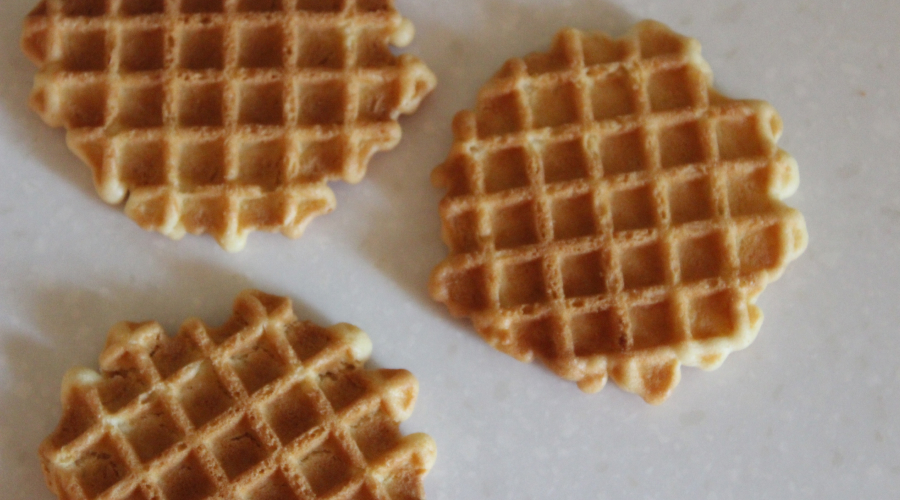
Galettes Campinoises is probably where the Belgian waffle types start getting unfamiliar to you. This waffle is known as one of the most popular in Belgium and is characterized by a finer grain than ordinary waffles. Instead of a chewy, soft texture, it has a firm, crisp one, said to be similar to a butter cookie or biscuit. Vanilla flavoring is also sometimes added to the standard waffle batter.
5. Lacquemant Waffle
Lacquemant Waffle
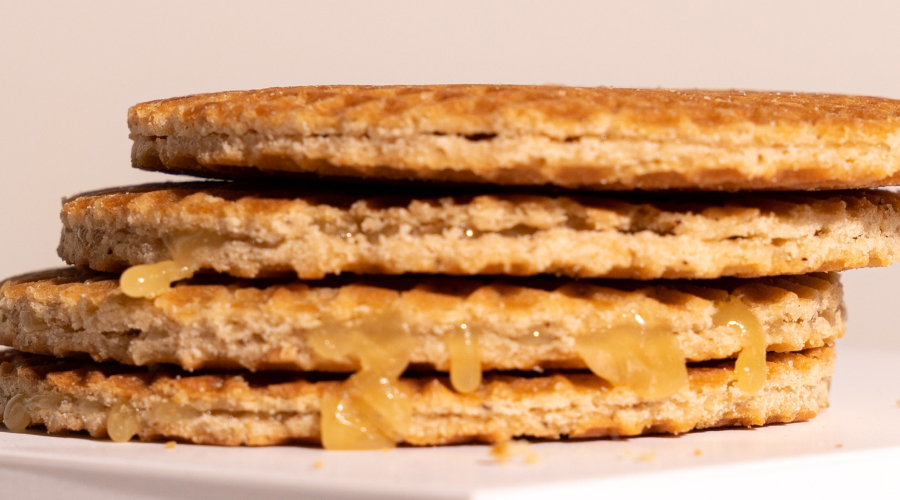
Born in 1903, the Lacquemant waffle is a Belgian waffle produced in the Liège region. So some of you might think it’s similar to the Liège waffle. The batter is similar, but the distinctive thing is that the finished waffle is drizzled with orange syrup — and cinnamon syrup to taste — instead of powdered sugar, chocolate, or whipped cream. The recipe lists “orange flower water,” which seems to be a kind of absolute (extract) that gives an orange taste? scent?
6. Flemish Waffle
Flemish Waffle
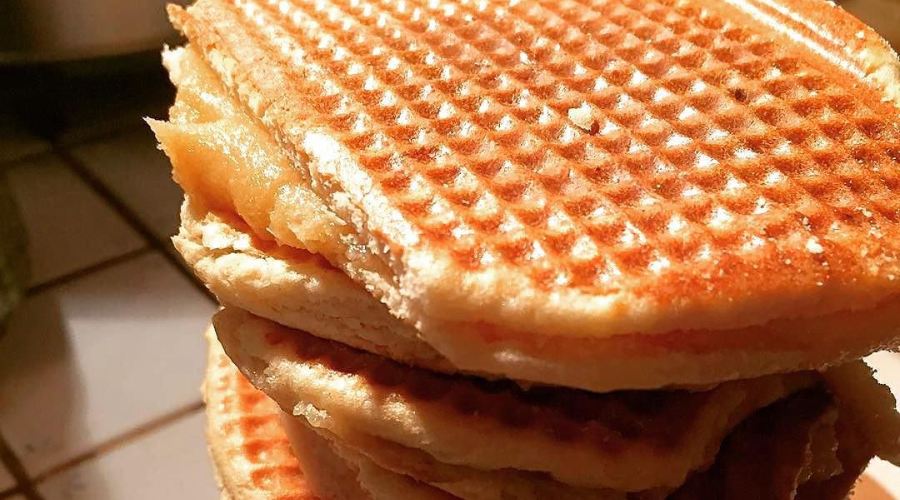
The Flemish waffle is the most common and basic type of Belgian waffle. It’s served with no toppings at all — just the waffle — and that’s how it’s meant to be enjoyed. The batter is made by blending flour, yeast, butter, milk, eggs, vanilla sugar, and so on, and it’s light in density with a cookie- or biscuit-like texture. This may well be the waffle that pairs best with a snack.
7. A Bonus I Looked Up Out of Curiosity — Croffle
Croffle
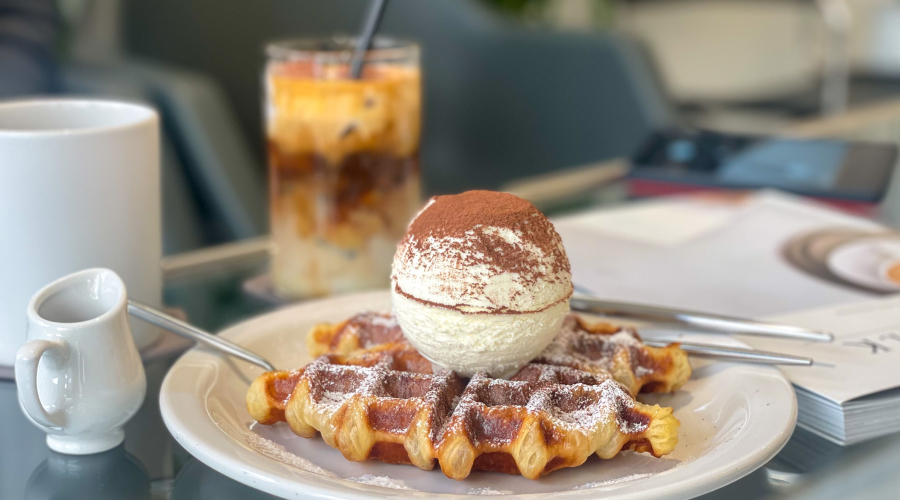
It isn’t a type of Belgian waffle, but since you might be curious — and I was too — I looked up the “croffle” as a bonus. Croffle is a portmanteau of croissant and waffle, first created in 2017 by an Irish chef. (In fact, opinions on the croffle’s origin are divided, so it’s best to take this as a “huh, is that so” kind of thing.)
It’s waffle-shaped but uses croissant dough, which is how it got the name. It’s crispier than an ordinary croissant and lighter in density than a waffle. Still, the finished croffle is enjoyed topped like a regular waffle — with powdered sugar, whipped cream, syrup, chocolate, ice cream, and the like.
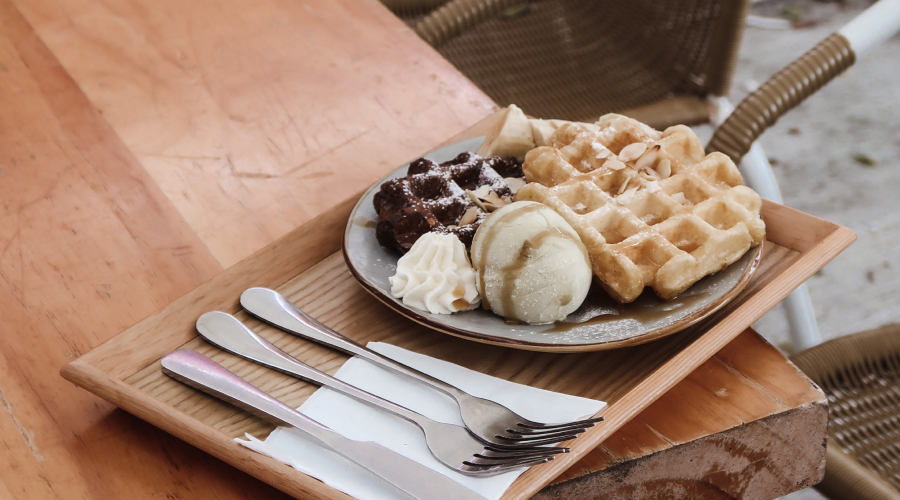
If there’s one dessert I enjoy even though I don’t really like bread or sweets, it’s the waffle — the croffle, to be exact. Top a nicely crisp yet chewy croffle with vanilla ice cream and, well, you start thinking: is this heaven? Of course, I also love a waffle with maple syrup and powdered sugar added. In that sense, I feel downright grateful to Belgium for developing the waffle and spreading it (?) all over the world. It suddenly makes me curious how it would taste paired with Belgian cherry beer, one of the most popular beers in the world. Since I can’t handle alcohol, please enjoy that part on my behalf!