10 Most Popular Cheeses in the World & What Makes Them Special
10 Popular Cheese Types & Their Traits

There’s a saying that cheese is a food that has been with humanity since the very beginning. In fact, the oldest record related to cheese dates to around 2300 BC, and in Croatia, cheese has been found from as far back as 7,200 years ago. They also say that before technology and civilization developed as they have today, cheese was almost never aged for long periods — because the goal was to store milk for a long time without the cheese itself spoiling. So in the past, cheese was neither widespread nor a beloved food.
But as civilization advanced and storage methods, aging periods, recipes, and the like diversified, anywhere from dozens to hundreds of cheeses were born. From the cheddar and mozzarella we all know to the unfamiliar-sounding Adobera, there are over 1,300 recorded types of cheese. So which cheese types and traits are the world’s most beloved? Let’s explore 10 cheese types and traits that are said to taste even better when you know about them.
Table of Contents
The Most Popular Cheese Types & Traits
No. 10 France, Camembert de Normandie Cheese
Top10 Camembert de Normandie cheese, France
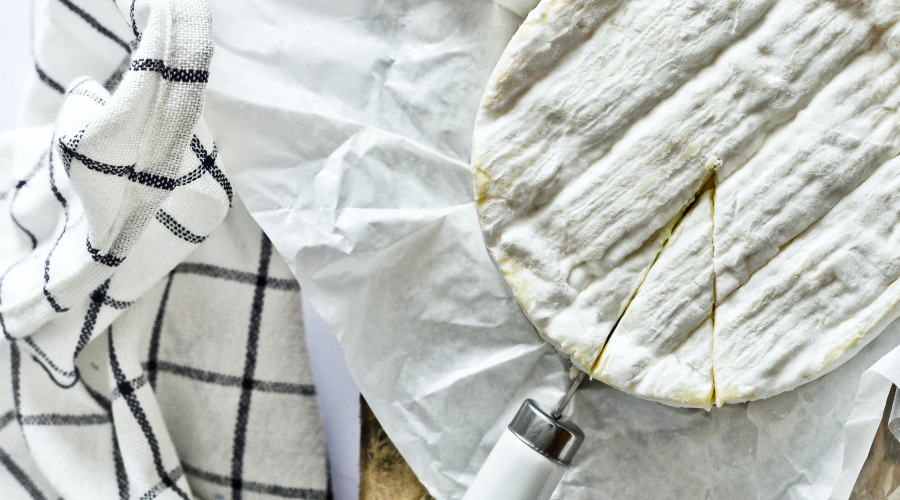
Camembert de Normandie, known as France’s most iconic cheese, ranked No. 10 among the most popular cheese types. It’s made from fresh raw milk, placed in molds, dry-salted, and then aged for about 30–35 days to finish. The flavor is tangy yet intense, the texture is like soft cream, and it’s most commonly eaten with thinly sliced apple, a crusty baguette, or dessert. Depending on the aging period, it’s said to give off aromas of mushroom, grass, butter, mold, and cabbage.
No. 9 Italy, Gorgonzola Cheese
Top9 Gorgonzola cheese, Italy
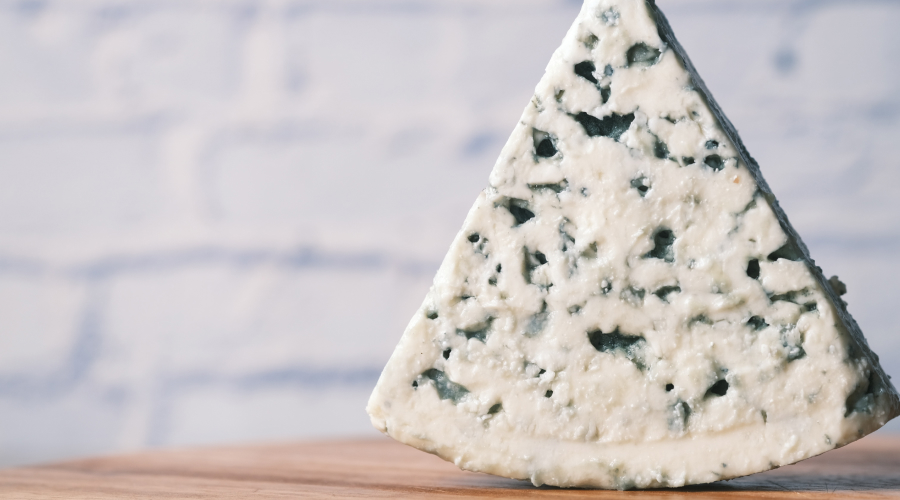
Gorgonzola — better known for pizza than as a cheese — settled in at No. 9 among the most popular cheese types. Named for being born in Gorgonzola, a town on the outskirts of Milan, this cheese is classified as a “blue cheese” because of its bluish color. Since the more vivid the blood-vessel-like blue marbling, the higher its value, penicillin spores are sometimes introduced.
It’s also divided into two kinds by aging period. One is “Gorgonzola Dolce,” aged for 2 months, which has a soft, creamy texture and a fairly mild flavor. By contrast, “Gorgonzola Piccante,” aged over a year, is firm yet crumbles easily. Because of its intense smell and pungent taste, it’s often paired with the honey, sweet fruit, or jam we’re all familiar with.
No. 8 India, Paneer Cheese
Top8 Paneer cheese, India
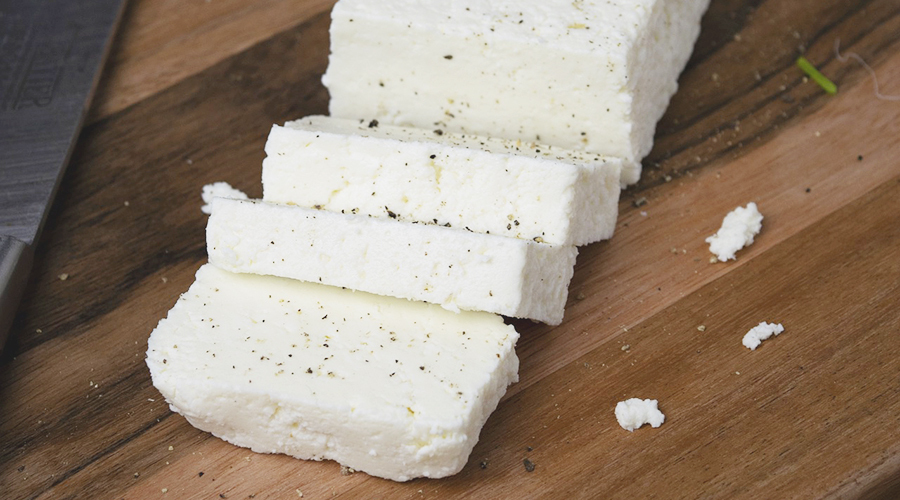
India’s paneer, which at a glance has a look similar to tofu, took No. 8 among the most popular cheese types. Made from pasteurized cow’s or buffalo’s milk, this cheese boasts a moist texture that crumbles nicely. Unlike most cheeses, it doesn’t involve rennet (an enzyme complex produced in the stomachs of ruminant animals) in its production, so it’s a cheese that even vegetarians can easily enjoy. Also, since it’s relatively fresh and mild in flavor, it goes well with any dish — and it’s said to pair especially well with India’s spicy curry.
No. 7 France, Brie Cheese
Top7 Brie cheese, France
Trying to explain Brie’s type and traits brings a certain YouTube video to mind. The creator was American, the title was “How to Enjoy Cheese Like the French,” and the cheese was Brie, haha.
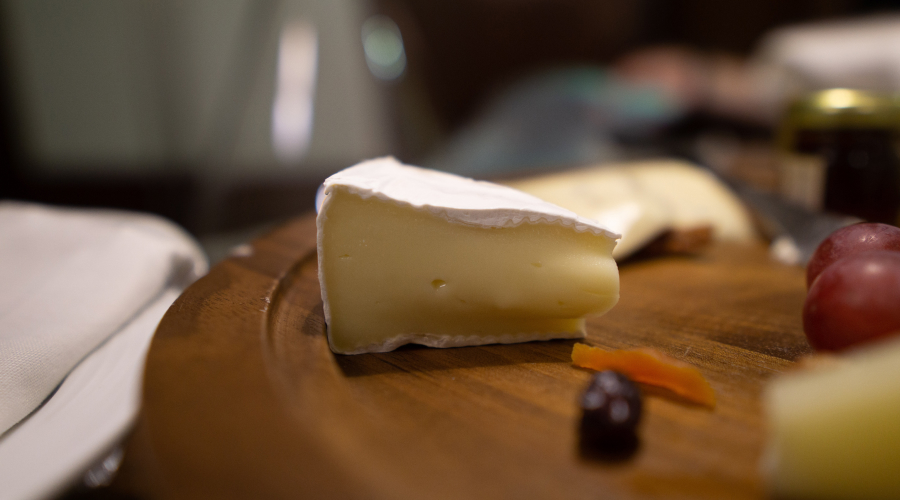
Anyway, Brie is one of the cheese types you can find very commonly in Korea, too. Delicately covered with a layer of white mold, this cheese is made from cow’s milk and finished after at least 4 weeks of aging. Depending on the aging period it can taste of mold, mushroom, nuts, or fruit, but the Brie we usually come across mostly has a mushroom flavor. To properly enjoy Brie’s flavor, it’s also good to let it sit at room temperature before eating. Since it’s such a light, clean cheese, it pairs better with wine than with cooking.
No. 6 Italy, Parmigiano Reggiano Cheese
Top6 Parmigiano Reggiano cheese, Italy
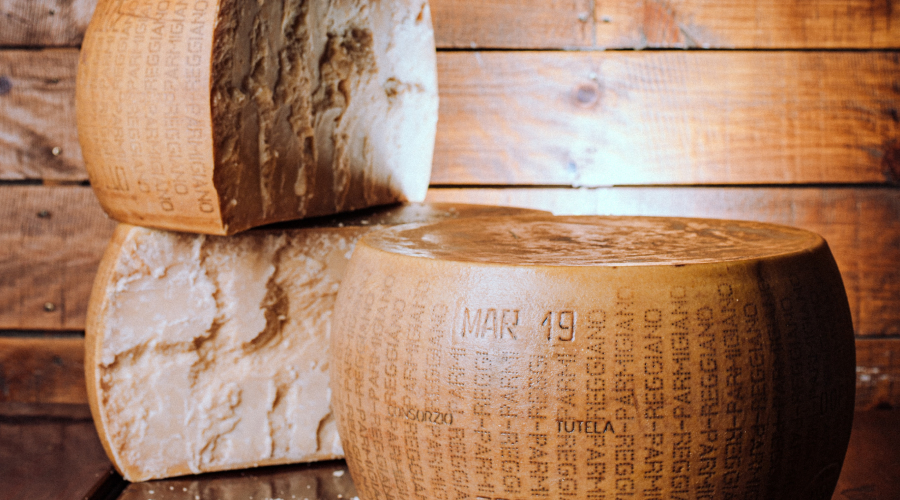
Parmigiano Reggiano is not only one of the most popular cheese types but is also famous as a top-quality cheese. That seems to be because it’s made from the raw milk of unstressed cows that have grazed on fresh grass and hay. The Parmigiano Reggiano you can commonly find around you today is mostly produced in the Bologna region and the Lombardy region. And there are the following varieties. There’s “mezzano,” aged 12 to 15 months; the most common “Parmigiano Reggiano,” aged from 12 to 24 months or more; and lastly “Parmigiano Reggiano Extra,” aged over 18 months and having also passed a quality-evaluation test. They say that if you visit a local restaurant in Italy, you’ll find this cheese in most of the dishes.
No. 5 Netherlands, Gouda Cheese
Top5 Gouda cheese, Netherlands
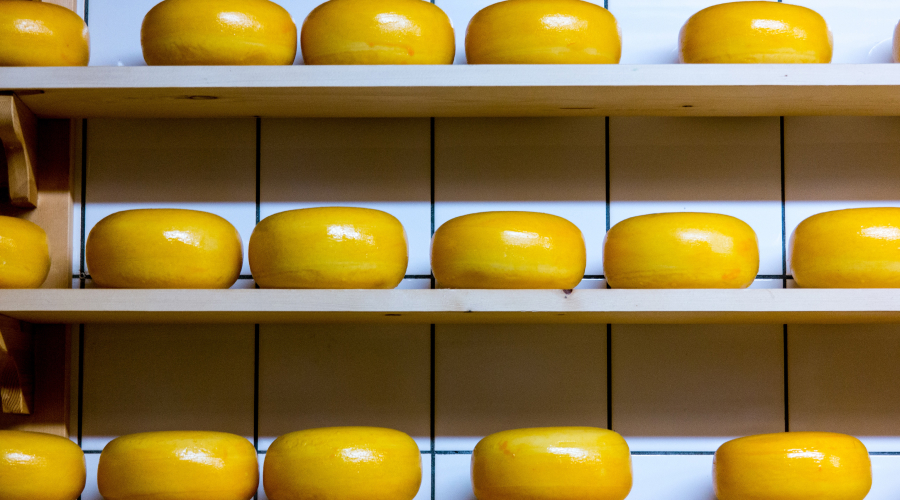
The world’s 5th most popular cheese type is the Netherlands’ Gouda. Many people have heard of it but don’t know what kind of traits it has. Gouda has a deep yellow to orange color, a creamy texture, and a sweet flavor. Of course, the texture, taste, and aroma vary with the aging period. This is divided into a total of 6 stages — I couldn’t look up each one, but you can take it that the sweetness and tang grow stronger over time.
Because of these flavors and traits, aged Gouda is often laid on top of dishes like pasta as a garnish. Less-aged cheese is eaten on its own, enjoyed with wine or beer, or used in fresher dishes and salads rather than as a main dish.
No. 4 Italy, Ricotta Cheese
Top4 Ricotta cheese, Italy
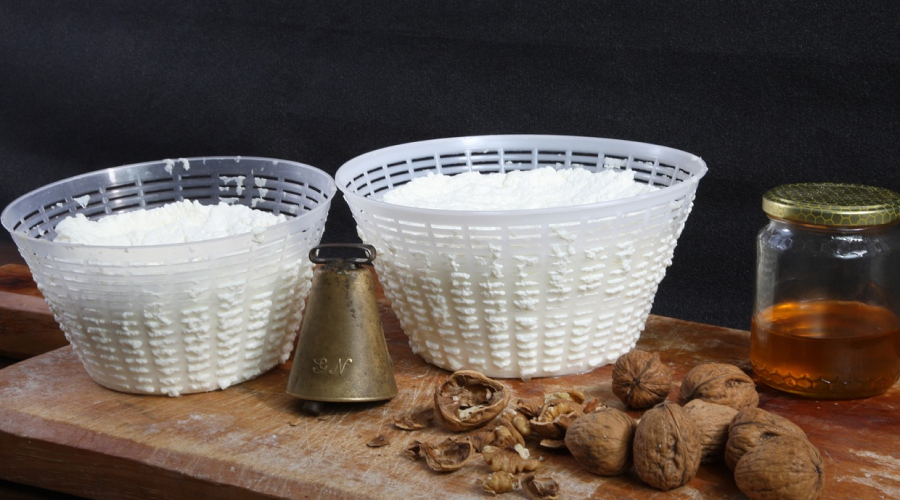
Ricotta, one of my favorite cheeses, ranked No. 4 among the most popular cheese types. With its soft yet creamy texture and exquisite fresh flavor, ricotta can be produced from a variety of milks — sheep, cow, goat, buffalo, and more. But because it’s made from a byproduct of the cheese-making process, it’s sometimes not classified as a cheese at all. In tofu terms, it’s like the okara (the soybean pulp left over from making tofu). Ricotta also has the advantage that, with its subtle taste and aroma, it can be paired with other cheeses. As a result, it goes well with light wines rather than heavy ones, and pairs nicely with fresh dishes rather than main courses.
No. 3 Greece, Feta Cheese
Top3 Feta cheese, Greece

Greece’s feta, which might feel a bit unfamiliar, took 3rd place among the world’s most popular cheese types. Feta, which means “slice” in Greek, is characterized — as the name suggests — by its angular shape. It’s made mainly from sheep’s milk, or a mixture of sheep’s and goat’s milk. The goat’s milk must not exceed 30% of the total milk volume. Greek feta is also famously very salty because, during production, it’s stored in wooden barrels or tin containers filled with brine. As a result, it’s said to be enjoyed on its own more often than paired with dishes.
No. 2 England, Cheddar Cheese
Top2 Cheddar cheese, England
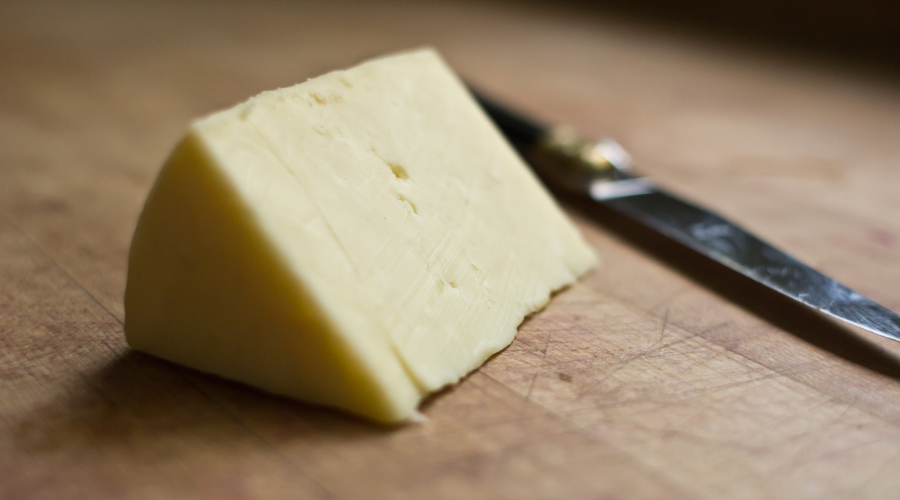
First born in the 12th century in the village of Cheddar in Somerset, England, this cheese is one of the most beloved cheese types among Americans today. It’s mostly made from pasteurized milk and ranges from white to pale yellow depending on the aging period. Less-aged cheddar has a smooth texture, while the longer it ages, the firmer and more crumbly it becomes. A common way to enjoy cheddar in England is to melt long-aged, firm cheddar at high heat and serve it with macaroni, sandwiches, tuna melts, and the like.
Cheddar is also classified as a high-quality cheese, thanks to its dense texture, rich aroma, and great taste. It’s easiest to understand the cheddar we commonly come across at the supermarket as a cheese born in the U.S. that shares the name “in name only.” In fact, the word “cheddar” isn’t copyrighted, so it can be used for any cheese! So then… how are we supposed to know what real cheddar is when we eat it…?
No. 1 Italy, Mozzarella Cheese
Top1 Mozzarella cheese, Italy

“Mozzarella in the burger.” I just couldn’t hold it in, lol. The world’s most beloved, most popular cheese type is, of course, mozzarella. Compared to other cheeses it has a short aging period, so it’s fresh — but the downside is that it spoils just as quickly. Traditional mozzarella is produced in the Campania region, uses buffalo’s milk, and has a fragrant aroma and a delicate texture. That’s why enjoying it on its own with a very, very light white wine is said to be the most mozzarella-like way to eat it.
That said, the mozzarella more familiar to us is often used as a topping on pizza and all sorts of dishes. Since that processed mozzarella differs from the “real” thing in aroma and taste, they say it can be meaningless to compare the two on equal footing.

I don’t have a huge interest in cheese types and traits, but if it’s around, I do tend to enjoy it. I also have a weak stomach, so I find it hard to eat the real cheese enjoyed in Europe on its own. Even so, it was fun getting to know cheese better through this piece — even if most of them were ones you can commonly come across nearby. I found myself thinking I’d like to cover the cheeses rated as top-quality next time, if I get the chance. In an era like today, when even foreign cheeses are easy to find, I think content like that could help you all out, too.