
Countries with a Tipping Culture: A Worldwide Guide
A list of countries with a tipping culture

A tip is a way of expressing gratitude commensurate with the service you’ve received. Originating from a British pub in the 18th century and spreading to countries around the world today, tipping culture isn’t welcome everywhere. In Asia, the culture of receiving tips hasn’t developed much yet, but as visits from Western tourists increase, a culture of “expecting” tips is said to be taking hold. And although the practice first began in England, the country that now suffers the most headaches over tipping is known to be the United States.
Because of all this, when you set off on a trip, it’s a good idea to check whether the destination has a tipping culture and, if it does, to prepare at least a small amount. Otherwise, you can easily get caught up in incidents big and small. So today’s piece is a list of countries around the world with a tipping culture. It may be hard to give you exact percentages, but I looked into it as thoroughly as I could, so I hope it’s a helpful reference. Let’s begin!
Table of Contents
Tipping Customs to Watch Out for When Traveling
1. Countries with a Tipping Culture – Asia

Singapore: Since tipping isn’t common in Singapore, there’s no need to prepare a separate tip. That said, most upscale restaurants in Singapore often add a 10% service charge to the bill. When that happens, don’t be flustered — just think of it as a service fee. And if you feel you’ve received excellent service at a hotel, another restaurant, a taxi, a hair salon, and so on, you may prepare a tip.
India: India has the most developed tipping culture among Asian countries. At restaurants, a tip of 7–10% of the total; at hotels, around INR 100 per night; for a pickup, around INR 50–100; and for a tour guide, around INR 100–300 is the norm. That said, since a tip is an amount of gratitude commensurate with the service you received, if you’re not happy with the service, you can skip the tip entirely or leave less.
Japan: Japan is a country with almost no tipping culture. So you don’t need to factor a tip into your travel budget. Even so, if the service is so kind that you want to leave a tip, don’t leave the money on the table — it’s considered polite to place it in a white envelope and hand it over.
China: China isn’t a country with a tipping culture, but tips may be expected. In the past, China considered tipping quite rude, but lately upscale restaurants and hotels are said to expect tips. This is because Westerners traveling in China have tipped on numerous occasions. As a result, some service jobs now substitute tips for part of an employee’s wages.
Thailand: Thailand, which takes in the most tourists of any Asian country, also has a culture of expecting tips. Upscale restaurants, hotels, taxis, and the like are said to take tips for granted. However, leave a tip and you can receive service beyond what you’d imagine. In Thailand, a tip of around 10% of the total is appropriate, and with taxis it’s polite not to take the change.
Philippines: Upscale restaurants and bars in the Philippines often bill a service charge along with the check. In that case, there’s no need to prepare a separate tip. If you receive excellent service elsewhere, you may leave a tip — but it isn’t required, so there’s no need to go out of your way.
2. Countries with a Tipping Culture – the Americas

USA: As you all well know, the U.S. is a country with an extremely developed tipping culture. If you’re planning a trip, you should definitely build a tip into your budget. And because so many different tipping customs exist, the tip percentage can vary by state, by restaurant, and by service. The common rate is around 15–20% of the total bill. At upscale restaurants and hotels, a 20–25% tip is often expected too. Since these tips are by no means small and so many places ask for them, securing enough budget is important when planning a trip to the U.S.
Canada: Canada has a tipping culture similar to that of the U.S. Almost all restaurants and hotels are said to expect a tip of around 15–20%. One difference is that when you feel the service wasn’t good, you’re free to skip the tip.
Mexico: Mexico, with its developed tourism industry, is also a country with a tipping culture. You should tip for most services — restaurants, hotels, taxis, hair salons, massages, bars, and so on. The rate is generally 10–20% of the total. However, when a service charge is included on the bill, there’s no need to prepare a separate tip.
The Caribbean: Countries bordering the Caribbean Sea tend to have a tipping culture too. In Cuba, for example, you should tip hotels, restaurants, and museum guides around 10–15%. In Jamaica, restaurants ask for a tip of around 10–15%; it’s often included on the bill, so it’s best to read the check carefully before tipping. Finally, Colombia doesn’t have a well-developed tipping culture, but it’s often included on the bill — so when that happens, don’t be surprised; it’s easiest to just think of it as a tip!
Brazil: In Brazil, people generally tip restaurants, hotels, bartenders, and guides. But you don’t need to tip everywhere — only in big cities or when you’ve received premium service. Even then, it’s often included on the bill, so it’s worth checking carefully.
3. Countries with a Tipping Culture – Europe
Russia: Russia has no culture of demanding tips, so you may prepare a tip only when you’ve received satisfying service. The rate is said to be around 10–15%. But some restaurants do include a service charge on the bill. Be sure to check!
Scandinavia: Norway, Sweden, and Denmark — the countries of the Scandinavian Peninsula — aren’t places where tips are demanded, since a service charge is included in most fees. Even if it isn’t included, you don’t need to tip if the service isn’t satisfying. If it isn’t included in the bill but you’d like to tip, it’s best to prepare around 5–10% of the total.
Spain: Spain is a country with a tipping culture, but it isn’t required, since most service workers earn relatively high wages. Even so, if you’d like to tip, you only need to prepare around 5% of the total at a restaurant.
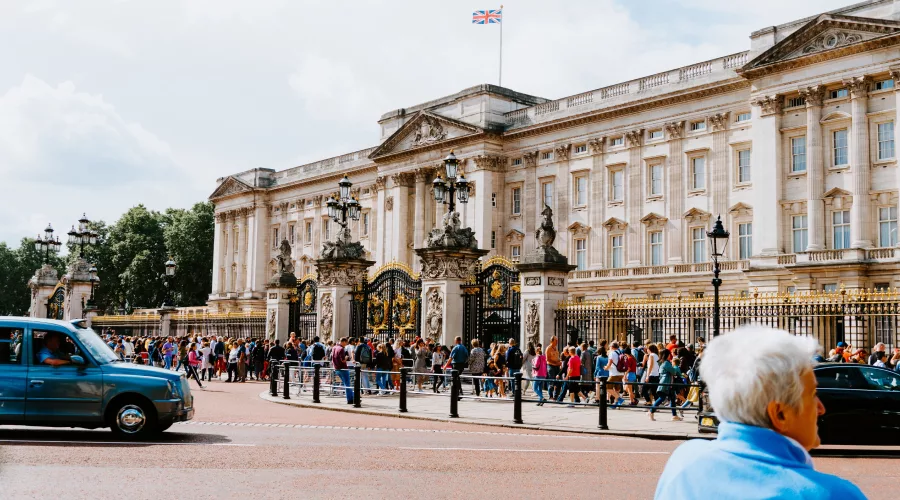
England: As the birthplace of tipping culture, England has stricter standards than other European countries. It can get awkward if your tip is smaller or larger than the service warranted. First, at a British hotel it’s good to tip the bellboy 1–2 pounds. When a doorman hails a taxi for you, you tip 1–5 pounds depending on how upscale the hotel is. At restaurants it’s good to tip around 10% of the total bill, and for taxis or tour guides, around 10–15%. England also has a culture of tipping people who do environment-related work, not just service jobs — for example, people who repair or clean a shop’s exterior, tend gardens, or service cars.
Italy: Perhaps because of all the tourists, Italy treats its service workers quite well. So there are rules about tipping, and not following them is considered rude. Most bills include a tip of around 10–20%, but if it isn’t included, it’s best to prepare 10–15%. You also tip porters, housekeepers, and doormen around 1–5 euros, and at cafés or bars it’s polite to round up the total. Curiously, taxi drivers are said not to expect a tip.
Croatia: Croatia is also a country with a tipping culture. Even when a service charge is included on the bill, there are times you should pay an additional tip. The common rate is around 10–15%, and for cafés and taxis it’s polite to round up.
France: In France you may prepare a tip to match the service you expected. If you weren’t happy with the service, you can tip little or not at all; if you were, you can leave a tip. The common amounts are 1–5 euros at an ordinary restaurant and around 5–10% of the total at an upscale one. You can also tip a tour guide 10%, a hairdresser 5–10%, and a taxi driver around 1–2 euros.
4. Countries with a Tipping Culture – Oceania

Australia: Though influenced by Europe, Australia isn’t a country that expects tips. But some restaurants do charge a service fee on public holidays or for large tour groups, which is often included on the bill — so it’s good to check the bill carefully. And if the service is satisfying enough that you’d like to tip, you can leave around 10–15% of the total. Since it isn’t a required custom, tipping is said to get you service beyond what you’d imagine.
New Zealand: Like Australia, New Zealand isn’t a country that expects tips. That’s true even at upscale restaurants and bars, and tips are rarely asked for even from large tour groups — the reason being that wages in New Zealand are quite high. And when you’ve been given special service, leaving a small tip can get you a high level of service; around 10% of the total is said to be plenty.
5. Countries with a Tipping Culture – the Middle East & Africa

United Arab Emirates: A tipping culture does exist in the UAE, but it isn’t socially codified. Depending on the situation and your satisfaction with the service, you may or may not prepare a tip. If you’d like to tip, a rate of 10–15% of the total bill is said to be appropriate.
Israel: Israel also has no socially codified tipping culture. Even so, there are more situations where you should tip than in the Arab world. Restaurant workers in particular have low wages, so it’s good to prepare a tip. A rate of 12% of the total bill is appropriate, and you can pay 10% or 15% depending on your satisfaction with the service. Taxi drivers, however, generally don’t expect a tip.
Egypt: The country with the most developed tipping culture in the Middle East is Egypt. Egypt typically calls for a tip of around 10–15% of the total bill. Beyond that, it’s good to tip a tour guide around EGP 80–100 per day and a driver around EGP 50.
Türkiye: In Türkiye, tips are often paid only in Istanbul, and even then mostly by travelers — locals don’t tip, in other words. Still, it has the most developed tipping culture in Asia. The rate is around 5–10% of the total at restaurants, and for hotel staff you can prepare 5–20 lira depending on the service.
South Africa: Most service jobs in South Africa make a living on tips, so the tipping culture is well developed. South Africa’s tip rate starts at 10% of the total bill and can rise to 15–20% the more satisfied you are. You should also tip taxi drivers around 10–20%, hairdressers 10–15% or more, and hotel staff around 20–500 rand. Overall, there seems to be a bit of a culture of demanding tips.
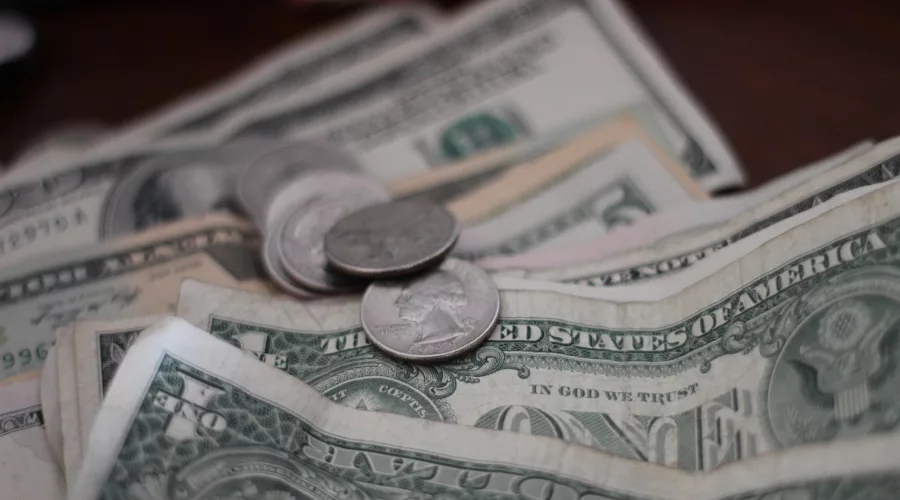
Lately, as I’ve gotten into American football, my curiosity about the United States as a country has grown enormously. But once I looked into countries with a tipping culture, the thought of traveling there became a little scary. I couldn’t shake the feeling that what I’d spend on tips might come to more than the travel costs themselves. Haha.
Also, for England, Italy, and Croatia — places I’ve already traveled to — I had no idea about the culture and didn’t even think to prepare tips. How resentful the staff who served me there must have been? It pains me to think about it. I’m not a fan of tipping culture, but I do think respecting a country’s culture is the shortcut to having our own culture respected. Next time, I’ll research thoroughly before planning a trip. If I get the chance, that is!